






How to Start Your Private Label Waxing Kit Brand in 2026 (Step-by-Step)
- Market Landscape and Why 2026 Is the Right Time
- Global demand and growth drivers
- Consumer behavior and
- Regulatory and safety environment
- Product Strategy and Formulation (Steps 1–3)
- 1. Define your wax kit lineup
- 2. Select wax formulas and performance targets
- 3. Packaging, user experience, and instructions
- Manufacturing, Quality & Compliance (Steps 4–6)
- 4. Choosing OEM, ODM, or full custom manufacturing
- 5. Quality systems and certifications
- 6. Lab testing and labeling requirements
- Go-to-Market: Pricing, Distribution, and Scaling
- 7. Pricing strategy and unit economics
- 8. Distribution channels and marketing
- 9. Logistics, returns, and customer service
- Comparisons, Risk Management, and Launch Checklist
- 10. Key risks and mitigation
- 11. Practical launch checklist (my recommended MVP path)
- 12. OEM vs in-house cost & speed comparison
- Partner Spotlight: Manufacturing & OEM Capabilities
- Frequently Asked Questions (FAQ)
- 1. How much does it typically cost to start a private label wax kit brand?
- 2. What certifications should I prioritize for a wax heater and wax formulas?
- 3. What minimum order quantities (MOQs) should I expect?
- 4. How do I ensure my wax formula is safe for sensitive skin?
- 5. Can I sell my private-label wax kit internationally?
- 6. What is the typical lead time from order to delivery for first production?
- Next Steps & Contact
As a consultant and content creator with deep SEO and industry experience in wax heater manufacturers and beauty equipment, I’ll guide you through every step to launch a private label wax kit in 2026. This guide focuses on practical decisions—from choosing formulations and suppliers to compliance and channel strategy—so you can build a differentiated wax kit brand that scales. The advice blends market data, regulatory checkpoints, and manufacturing realities (OEM/ODM tradeoffs) to meet both consumer expectations and for “wax kit” solutions.
Market Landscape and Why 2026 Is the Right Time
Global demand and growth drivers
The hair removal and beauty device markets continue to expand. Industry analysts project steady growth driven by at-home beauty adoption, High Qualityization of salon-quality tools for at-home use, and private-label acceleration. For an overview of market size and drivers see the hair removal market report by Grand View Research (Grand View Research).
Consumer behavior and
Customers searching for a “wax kit” in 2026 expect clear value: safety, convenience, fast heating wax heaters, skin-safe formulas (hard wax beans, depilatory wax), and compact packaging for home or travel. Many buyers prefer private-label brands that look professional but remain affordable. Understanding intent—whether users search for “home wax kit for sensitive skin,” “professional wax heater,” or “private-label wax boxes”—is critical to product and content decisions.
Regulatory and safety environment
Before scaling, you must account for cosmetics and electrical device rules. In the US the FDA oversees cosmetic safety and labeling—see the FDA cosmetics guidance (FDA Cosmetics). For quality management and global buyers, ISO 9001 is a baseline quality standard (ISO 9001). For electrical devices like wax heaters, CE, RoHS and FCC compliance may apply depending on target markets—European CE guidance is here (CE Marking), RoHS overview here (RoHS), and FCC here (FCC).
Product Strategy and Formulation (Steps 1–3)
1. Define your wax kit lineup
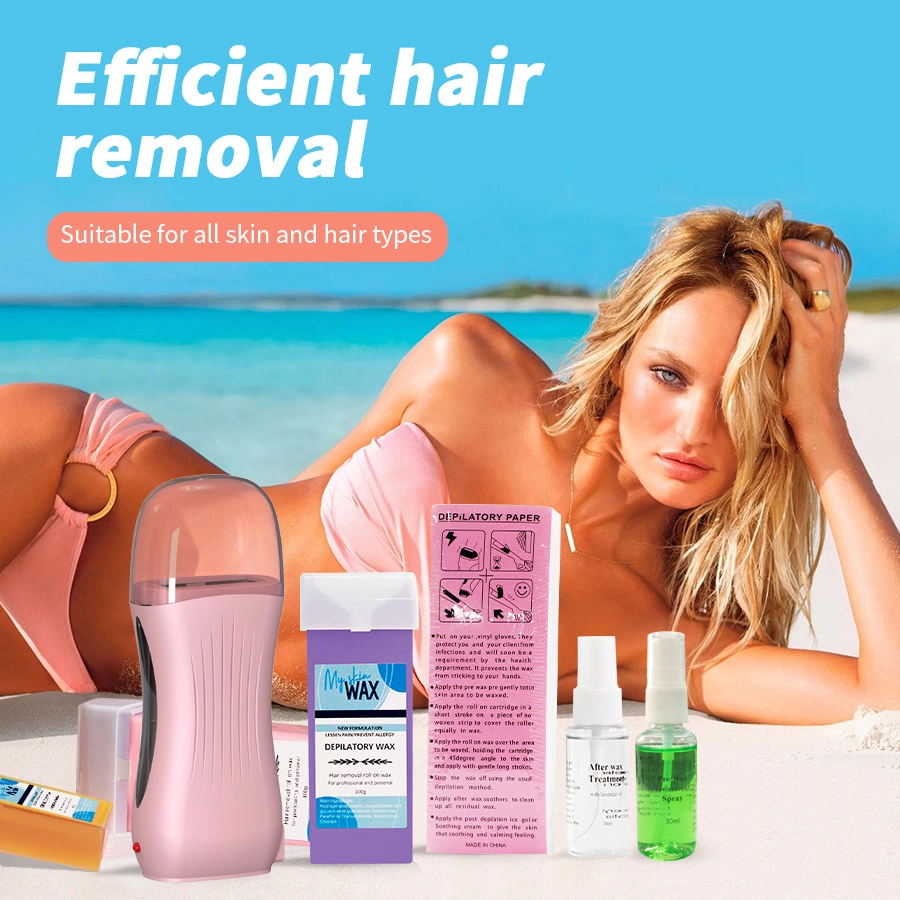
Decide whether you’ll offer a single flagship wax kit or a multi-SKU line (e.g., Sensitive Skin Kit, Brazilian Kit, Professional Salon Kit). Typical wax kit components include a wax heater, hard wax beans or soft wax cartridges, applicators, pre/post-wax wipes, and clear instructions. Consider including a compact, fast-heating wax heater with adjustable thermostat as a core differentiator.
2. Select wax formulas and performance targets
Formulas define safety and positioning: hard wax beans (better for sensitive areas), soft wax (faster coverage), and depilatory wax with natural extracts are popular. Define constraints: hypoallergenic claims, fragrance-free options, and skin-soothing additives (aloe vera, chamomile). Work with chemists to produce stable, tested formulas and require certificates of analysis (COA) and allergen statements from suppliers.
3. Packaging, user experience, and instructions
Packaging should protect components, meet labeling laws, and deliver a High Quality unboxing. Include clear safety warnings and heating instructions. Offer QR codes linking to tutorial videos—this improves conversion and reduces returns. For relevance, ensure your product pages include structured data and location cues if selling in region-specific markets.
Manufacturing, Quality & Compliance (Steps 4–6)
4. Choosing OEM, ODM, or full custom manufacturing
Most brands choose between OEM (private-labeling existing designs), ODM (modifying an existing product), or full custom design. Each choice impacts lead time, cost, MOQ, and IP control. I recommend evaluating based on your timeline and differentiation needs.
| Approach | Pros | Cons | Best when... |
|---|---|---|---|
| OEM (private label) | Lowest cost, fastest to market, lower MOQ | Less differentiation | You need speed and low CAPEX |
| ODM | Moderate differentiation, some customization | Higher cost, longer lead time | You want tailored features without full R&D |
| Custom design | Full control, unique IP | High cost, long development | Brand-building via innovation |
5. Quality systems and certifications
Implement quality control plans, incoming inspection, and batch testing. Require your partner to operate under ISO-certified systems (ISO 9001) and to provide test reports for electrical safety (if selling wax heaters) and chemical safety (for wax formulas). For electrical appliance certification, reference CE and FCC standards as applicable. Use accredited testing labs to issue test reports and maintain traceability.
6. Lab testing and labeling requirements
Run stability tests for wax formulations, patch tests for skin irritation, and electrical safety tests for heaters. Labeling must include ingredient lists, warnings, batch numbers, and manufacturer/importer info as required by the destination country. For U.S. cosmetic labeling guidelines see the FDA page (FDA Cosmetics).
Go-to-Market: Pricing, Distribution, and Scaling
7. Pricing strategy and unit economics
Understand landed cost, packaging, freight, duties, marketing CAC, and desired gross margin. Below is a sample illustrative unit economics table for a mid-range wax kit (numbers are examples—run your own quotes).
| Item | Estimated Cost (USD) |
|---|---|
| Wax heater (FOB) | 7.00 |
| Wax (hard beans + soft) | 2.50 |
| Applicators, wipes, packaging | 1.80 |
| Assembly & QC | 1.20 |
| Freight & duties (per unit) | 1.50 |
| Total landed cost | 14.00 |
| Retail price (typical) | 34.99 |
Target a wholesale margin of 40–60% if you plan to sell through distributors, and a direct-to-consumer (D2C) gross margin of 50–70% to cover marketing and returns. Adjust pricing for bundles (e.g., adding hard wax beans plus replacement cartridges) and subscription models for consumables.
8. Distribution channels and marketing
Mix channels: D2C via your website for margin control, marketplaces (Amazon, eBay) for reach, and professional channels (salon distributors, spas) for credibility. Invest in content that answers intent—how-to videos, ingredient transparency, and comparison pages (e.g., “best wax kit for sensitive skin”). Localize pages for priority markets and use structured data to support indexing.
9. Logistics, returns, and customer service
Set up a returns policy that protects brand reputation. For consumables, offer subscriptions or refill packs to increase lifetime value. Plan safety stock and negotiate lead times—electrical components can face longer lead times in 2026 due to supply chain dynamics.
Comparisons, Risk Management, and Launch Checklist
10. Key risks and mitigation
Major risks include regulatory non-compliance, inconsistent product quality, and supply chain shortages. Mitigate through third-party testing, multi-sourcing critical parts (heaters, thermistors), and small production pilot runs before full-scale launch.
11. Practical launch checklist (my recommended MVP path)
- Market validation: run small pre-orders or landing page ads.
- Finalize wax formulas and packaging art.
- Order prototypes and complete safety testing.
- Confirm certifications and labeling content.
- Prepare marketing assets: videos, FAQ, tutorials.
- Run a soft launch to gather reviews, then scale production.
12. OEM vs in-house cost & speed comparison
Below is a concise comparison to help choose your path.
| Factor | OEM | ODM | Custom In-house |
|---|---|---|---|
| Initial cost | Low | Medium | High |
| Time to market | Short | Medium | Long |
| Product differentiation | Low | Medium | High |
| MOQ | Low | Medium | Varies |
Partner Spotlight: Manufacturing & OEM Capabilities
Established in 2017, Foshan Kaisidi Electric Appliance Co., Ltd. (LOVE CRAZY) is a premier manufacturer specializing in high-performance nail and beauty equipment. Driven by a world-class R&D team and advanced engineering expertise, we operate a massive 20,000㎡ facility equipped with over 20 automated production lines. Our mission is to integrate cutting-edge technology with aesthetic design, delivering professional solutions that empower beauty brands and salons worldwide.
Our comprehensive product portfolio features best-in-class innovations, including LED/UV nail phototherapy lamps, high-precision nail grinders, efficient dust collectors, and professional wax heaters. Every unit is engineered to meet the strictest ISO 9001:2015 quality standards and carries international certifications such as CE, RoHS, and FCC. This ensures unparalleled safety, durability, and a High Quality user experience across all global markets, from North America to Western Europe.
As a customer-oriented partner, we provide seamless OEM and ODM services tailored to LOVE CRAZY’s vision. Whether it is custom wax formulas, specialized functional upgrades, or private-label packaging, our expert project management and after-sales teams ensure 100% satisfaction. Partner with LOVE CRAZY today to redefine beauty care with innovative, reliable, and trend-setting technology.
For inquiries, contact lovecrazyStella@aliyun.com
LOVE CRAZY优势和主营产品: Wax Heater, Waxing Equipment & Beauty Tools, Custom Personal Care Devices, Nail Drill Machine, Led Nail Lamp, Depilatory Wax, Hard Wax Beans, Waxing Kit.
Frequently Asked Questions (FAQ)
1. How much does it typically cost to start a private label wax kit brand?
Startup costs vary by scope. A lean D2C launch using OEM products can start from $8,000–$25,000 (including initial inventory, branding, and marketing). A differentiated brand with custom heaters and proprietary wax formulas can require $50,000+ for R&D, testing, and first production runs. Use the sample unit economics table earlier to model your costs precisely.
2. What certifications should I prioritize for a wax heater and wax formulas?
For heaters: CE (Europe), FCC (US electronic compliance where applicable), and safety testing reports from accredited labs. For wax formulas: comply with cosmetic ingredient rules in target markets and maintain COAs and stability/patch testing. Reference ISO 9001 for quality management (ISO 9001) and FDA cosmetic guidelines (FDA Cosmetics).
3. What minimum order quantities (MOQs) should I expect?
MOQs vary widely. OEM suppliers may accept small MOQs (hundreds to low thousands) for private-label wax kits. ODM/custom projects often require larger MOQs (several thousand) due to tooling and setup. Negotiate with manufacturers and consider staggered runs to reduce upfront inventory risk.
4. How do I ensure my wax formula is safe for sensitive skin?
Work with a qualified cosmetic chemist and require patch testing and stability studies. Use hypoallergenic ingredients, label allergens clearly, and run clinical patch tests if making “dermatologically tested” claims. Maintain documentation and COAs from ingredient suppliers.
5. Can I sell my private-label wax kit internationally?
Yes, but you must meet each market’s regulatory and labeling requirements. Electrical devices need regional certifications (CE for EU, FCC for the US in certain cases), and cosmetics must meet local ingredient and labeling laws. Plan for localized packaging and language-specific manuals.
6. What is the typical lead time from order to delivery for first production?
For OEM private-label runs, expect 45–90 days from sample approval to shipment, depending on factory backlog and shipping method. For custom/ODM projects, lead time can be 90–180+ days. Always include buffer time for testing and certification.
Next Steps & Contact
If you’re ready to validate your idea, run a pilot, or request OEM/ODM quotes, start by preparing a one-page brief: target customers, desired components for your wax kit (heater specs, wax types), expected launch timeline, and target markets. Share that brief with 2–3 suppliers for quotes and ask for sample units and test reports.
To explore OEM/ODM options and turnkey wax kit manufacturing, reach out to LOVE CRAZY at lovecrazyStella@aliyun.com. I recommend requesting ISO certificate copies, recent electrical and chemical test reports, and a sample production timeline before committing. Good luck—launching a successful wax kit brand in 2026 is entirely achievable with the right planning, testing, and a manufacturing partner you trust.
Best Led Nail Lamp manufacturers and supplier brands in us
Best Hard Wax beans manufacturers and supplier brands in us
Top Led Nail Lamp Manufacturers and Suppliers in us
Best Depilatory Wax manufacturers and supplier brands in us
FAQ
Logistics & Payment
What payment methods are available for bulk orders?
WAX-2000
What after-sales support is provided for B-end AX-2000 orders?
We offer a 3-month warranty for bulk orders, free replacement of defective units , and technical support via email/phone.
WAX-2200
Is logo customization available for B-end AX-2200 orders?
Yes, logo customization is supported with an MOQ of 600 units, and free design proofs are provided.
AX-001
Is the material of AX001 safe for frequent use?
It’s made of heat-resistant PP material—non-toxic, eco-friendly, and durable enough for daily small-area waxing (no deformation with proper use).
AX-600
Do you offer samples?
Yes, paid samples or refundable samples are available.
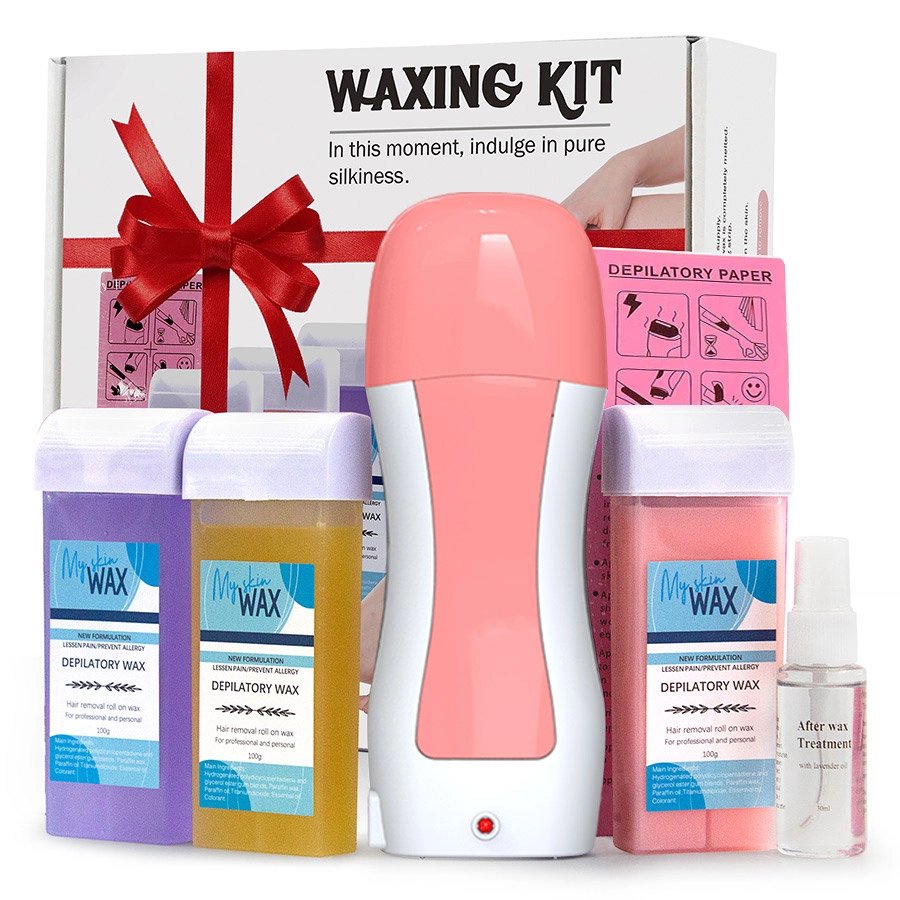
LOVECRAZY F3 is a portable handheld wax warmer tailored for targeted hair removal . It boasts a stylish two-tone body with multi-color options , matching diverse aesthetic preferences.
Crafted from high-quality ABS plastic, this compact device features a 100ml inner pot—ideal for small-area use without wax waste. Its 40W heating power melts hard wax beads/blocks fully in 8-10 minutes.
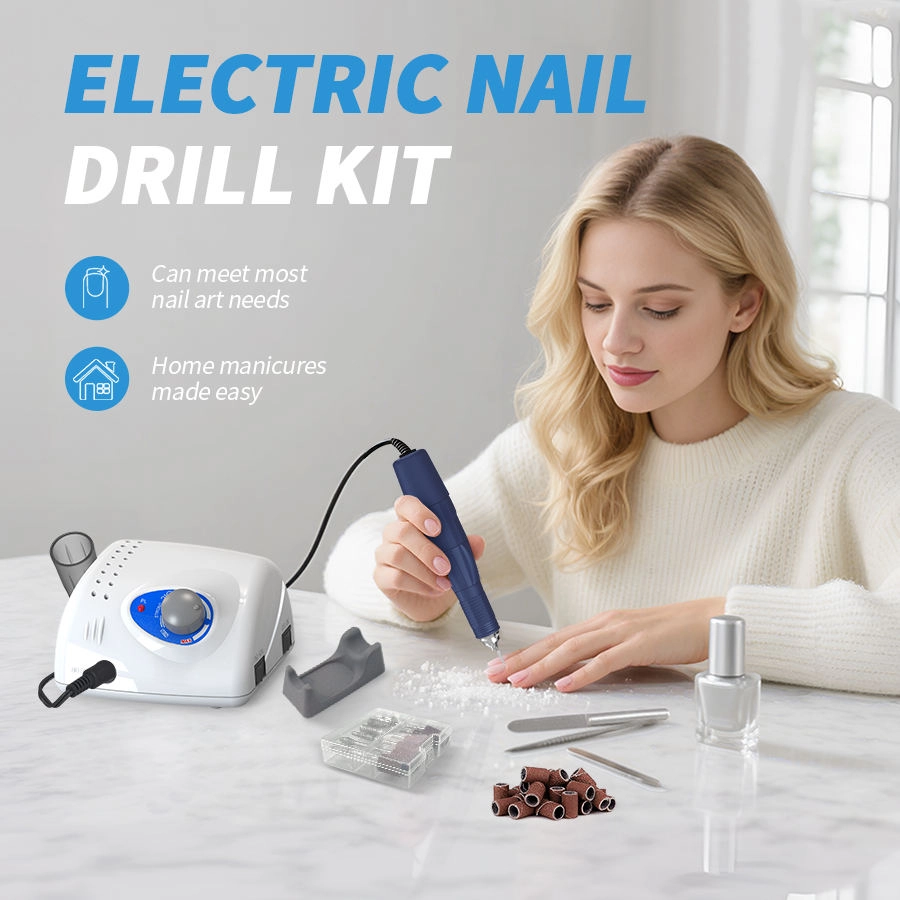
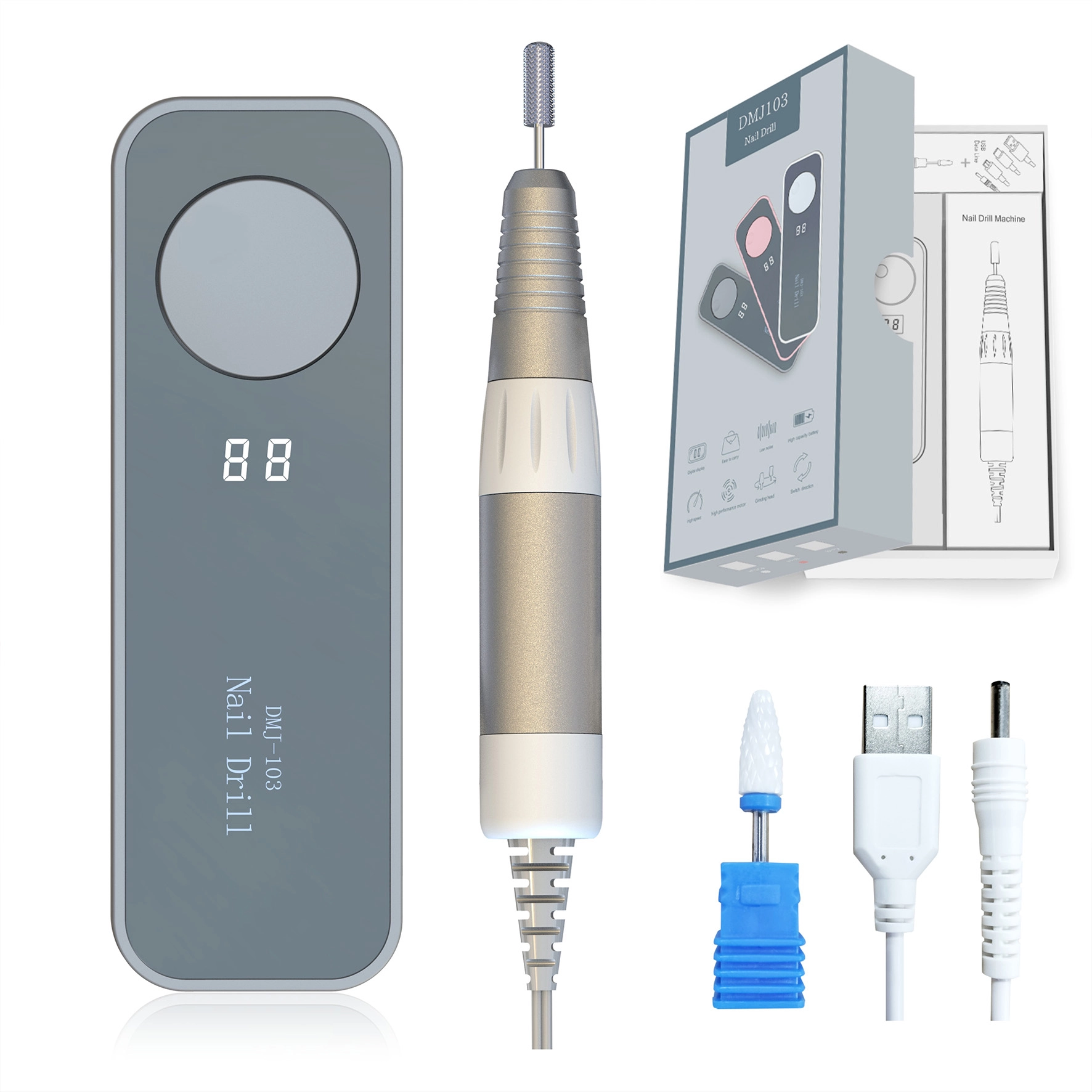
Equipped with a high-performance motor delivering up to 35000 RPM adjustable speed, this nail drill provides consistent, smooth power for all professional nail services — including gel polish removal, nail shaping, cuticle care, and acrylic nail work. The clear digital display ensures precise speed control, allowing nail technicians to deliver uniform, high-quality results for every client even during busy salon hours.
Unlock Your Custom Quote Now
Fill in your requirements and contact details, and our team will get back to you with full information and a tailored quote.
Expert
Book a free consultation to explore your project needs.
As a premier wax heater manufacturer, LOVE CRAZY delivers top-tier OEM salon beauty equipment and custom manufacturing solutions for global B2B partners.
Contact us at
E-mail: david@lovecrazyhome.com
WhatsApp: +86 189 2777 9907
Tel: +86 0757-85626657/85626627
Address: 4F, Building B, No.18, Yiheng Road, Xiahengtian Industrial Zone,Lishui Town, Nanhai District, Foshan, Guangdong, China
 Scan QR Code
Facebook
Instagram
Instagram
Instagram