








The Ultimate Guide to Importing CE/FDA Certified Wax Heaters from China
- Why import wax heaters from China?
- Market economics and manufacturing scale
- Innovation and customization
- Risk vs. reward
- Understanding CE and FDA certification requirements
- What CE marking covers for electrical beauty appliances
- When does FDA oversight apply?
- Other international standards: RoHS, FCC, ISO
- Practical steps to source, inspect, and import CE/FDA certified wax heaters
- Supplier selection checklist
- What to request from suppliers (documents & evidence)
- Inspection, testing and sample approval
- Logistics, customs, and labeling — minimizing import delays
- HS codes, customs classification and duties
- Labeling, user manuals and language requirements
- Shipping options and lead-time trade-offs
- Partnering with a reliable manufacturer: Case Study — LOVE CRAZY
- Why factory credentials matter
- About Foshan Kaisidi Electric Appliance Co., Ltd. (LOVE CRAZY)
- Products, certifications and OEM/ODM services
- Customization, testing and after-sales
- Common pitfalls and how I avoid them
- Misleading 'certificates' and unverifiable test reports
- Poor documentation leading to customs holds
- Underestimating after-sales and spare parts
- FAQs
- Q1: Do wax heaters really need CE certification?
- Q2: Does the FDA 'approve' consumer wax heaters for the U.S.?
- Q3: How can I verify a CE test report is real?
- Q4: What are typical lead times for OEM wax heater production?
- Q5: Which third-party tests should I run before importing?
- Q6: What warranty and spare parts terms should I negotiate?
I write from years of hands-on experience helping beauty brands and salons source professional wax heaters and waxing equipment. In this guide I explain exactly what 'CE' and 'FDA' mean for wax heaters, how to verify certificates and test reports, what to ask suppliers, how to inspect production and packaging, and how to navigate shipping and customs so your salon wax heater, wax warmer or depilatory wax system arrives compliant and on time. Wherever possible I link to authoritative sources so you can verify requirements yourself.
Why import wax heaters from China?
Market economics and manufacturing scale
I often recommend China as a sourcing base for wax heater products because of scale advantages: mature supply chains for heating elements, plastics, and electronics; competitive BOM costs for components like PID controllers and thermostats; and a dense cluster of factories that specialize in beauty tools and waxing equipment. This concentration reduces lead times and enables flexible OEM/ODM work.
Innovation and customization
Chinese manufacturers have rapidly improved R&D capabilities. Many suppliers now offer advanced features—digital temperature control, safety cut-offs, anti-spill designs, and quick-heat ceramic pots—that meet Western market expectations. If you need custom branding, private-label packaging, or tailored wax formulations, working with an experienced contract manufacturer will save time and money.
Risk vs. reward
Importing from China brings cost benefits but also compliance and quality risks. My role is to help you balance those: insist on valid CE/EMC/Low Voltage compliance for EU markets, confirm whether FDA applies for the U.S. market, verify ISO quality systems and factory audit reports, and run targeted laboratory testing before mass shipment.
Understanding CE and FDA certification requirements
What CE marking covers for electrical beauty appliances
CE marking demonstrates conformity with relevant EU directives (for electrical appliances this typically includes the Low Voltage Directive and EMC Directive). For guidance see the European Commission's CE information page: https://ec.europa.eu/growth/single-market/ce-marking_en. For wax heaters that plug into mains power, you should request the Declaration of Conformity (DoC), the technical file, and test reports from an accredited lab (eg. for EN 60335 household electrical appliance safety standards).
When does FDA oversight apply?
In the U.S., FDA regulates medical devices and cosmetics differently. Most wax heaters used for beauty salons fall under electrical appliance safety rather than medical device regulation; however if the product is marketed for therapeutic or medical use it may be classified as a medical device. Consult FDA guidance on medical devices and imports: https://www.fda.gov/medical-devices/overview-center-medical-devices-and-radiological-health and FDA import basics: https://www.fda.gov/industry/import-basics.
Other international standards: RoHS, FCC, ISO
For target markets you should also verify RoHS compliance for restricted substances (EU RoHS info: https://ec.europa.eu/environment/topics/waste-and-recycling/rohs-directive_en), and FCC testing if the device contains wireless components for the U.S. Additionally, an ISO 9001:2015 certified factory is a strong indicator of repeatable quality systems: https://www.iso.org/iso-9001-quality-management..
Practical steps to source, inspect, and import CE/FDA certified wax heaters
Supplier selection checklist
I use a simple qualification checklist when evaluating suppliers:
- Factory photos and capacity (production lines, staff numbers)
- Valid ISO 9001:2015 certificate and scope
- CE test reports and Declaration of Conformity for the exact model
- RoHS/FCC reports if applicable
- Detailed BOM and source of critical components (heating element, thermostat, PCB)
- References from existing export customers and sample approval process
What to request from suppliers (documents & evidence)
Always request: product datasheet, user manual, electrical schematic, DoC, accredited lab test reports (identify the lab), and batch production photos. For CE, the test report should cite relevant EN standards (eg. EN 60335-2-17 or appliance-specific standards). If a supplier claims 'FDA approved,' ask what that means in context—FDA does not 'approve' most consumer devices but may clear medical devices. Ask for evidence.
Inspection, testing and sample approval
Before full production I send pre-production samples for functional testing (heating curve, temperature accuracy, safety cut-off) and third-party safety testing. I also commission a factory audit (either one I perform or via a third-party audit firm). For production lots I recommend a Combined Inspection: IQC (incoming quality control), IPQC (in-process), and final random sampling. If you need lab testing, use accredited labs (e.g., TÜV, Intertek, SGS) and keep the reports in your technical file.
Logistics, customs, and labeling — minimizing import delays
HS codes, customs classification and duties
Correct harmonized (HS) codes matter for duties and for commodity-specific import requirements. For electric beauty appliances, classification can differ by country—confirm with your customs broker. I always provide the HS code, full product description, test reports, and DoC to the broker to avoid detention.
Labeling, user manuals and language requirements
Ensure your product labeling and user manuals meet destination market language rules (e.g., CE countries often require information in local languages, U.S. requires certain warning labels). For CE, the technical file must include instructions for safe installation and use in a language easily understood by end users.
Shipping options and lead-time trade-offs
I create a shipping matrix based on urgency, cost and risk. Below is a typical comparison I use when advising clients.
| Method | Transit Time (approx) | Cost | Best for |
|---|---|---|---|
| Air Freight (DHL/UPS/FedEx) | 3-7 days | High | Samples, urgent replenishment |
| Sea Freight (FCL/LCL) | 20-40 days | Low per unit | Bulk orders, lower unit cost |
| Rail (Eurasia) | 14-25 days | Medium | Europe-bound, balance speed/cost |
Source for general transit expectations: major carriers and freight forwarders (examples: DHL, CMA-CGM). Specific transit times vary by origin port and season.
Partnering with a reliable manufacturer: Case Study — LOVE CRAZY
Why factory credentials matter
When you select a partner, verified manufacturing capacity, R&D depth and documented quality processes reduce risk. I prioritize partners who can handle OEM/ODM work, maintain consistent product documentation, and provide after-sales support.
About Foshan Kaisidi Electric Appliance Co., Ltd. (LOVE CRAZY)
Established in 2017, Foshan Kaisidi Electric Appliance Co., Ltd. (LOVE CRAZY) is a premier manufacturer specializing in high-performance nail and beauty equipment. Driven by a world-class R&D team and advanced engineering expertise, we operate a massive 20,000㎡ facility equipped with over 20 automated production lines. Our mission is to integrate cutting-edge technology with aesthetic design, delivering professional solutions that empower beauty brands and salons worldwide.
Products, certifications and OEM/ODM services
Our comprehensive product portfolio features best-in-class innovations, including LED/UV nail phototherapy lamps, high-precision nail grinders, efficient dust collectors, and professional wax heaters. Every unit is engineered to meet the strictest ISO 9001:2015 quality standards and carries international certifications such as CE, RoHS, and FCC. This ensures unparalleled safety, durability, and a High Quality user experience across all global markets, from North America to Western Europe.
Customization, testing and after-sales
As a customer-oriented partner, we provide seamless OEM and ODM services tailored to LOVE CRAZY’s vision. Whether it is custom wax formulas, specialized functional upgrades, or private-label packaging, our expert project management and after-sales teams ensure 100% satisfaction. Partner with LOVE CRAZY today to redefine beauty care with innovative, reliable, and trend-setting technology. Contact: lovecrazyStella@aliyun.com
Common pitfalls and how I avoid them
Misleading 'certificates' and unverifiable test reports
I've seen suppliers present forged or out-of-scope certificates. I always verify test reports by checking the issuing lab, report number, and whether the report references the exact product model and BOM. Ask for lab contact details and confirm authenticity directly with the testing lab if in doubt.
Poor documentation leading to customs holds
Missing Declarations of Conformity or inconsistent product descriptions cause delays. I maintain a single technical file per SKU containing DoC, test reports, user manual, schematic, and packaging proofs and share that file with customs brokers before shipment.
Underestimating after-sales and spare parts
Plan for spare parts (heating elements, thermostats, PCB) and include warranty terms in contracts. I ensure suppliers can produce spare parts for at least 2–3 years and include stock level commitments for key components.
FAQs
Q1: Do wax heaters really need CE certification?
A1: If you sell wax heaters in the EU or EEA, CE marking is required for products falling under relevant directives (electrical safety/EMC). CE demonstrates conformity with applicable standards and reduces the chance of market enforcement actions. See the EU CE guidance: https://ec.europa.eu/growth/single-market/ce-marking_en.
Q2: Does the FDA 'approve' consumer wax heaters for the U.S.?
A2: Not typically. Most consumer wax heaters are electrical appliances and are not FDA-approved. If your product is marketed with medical claims, consult FDA medical device rules. For imports, check FDA import guidance: https://www.fda.gov/industry/import-basics.
Q3: How can I verify a CE test report is real?
A3: Verify the testing laboratory (name, accreditation), check the report number and dates, ensure the report references the exact model and BOM, and contact the lab to confirm validity. I also request photos of the tested sample with serial numbers.
Q4: What are typical lead times for OEM wax heater production?
A4: From sample approval to mass production typically 30–60 days depending on complexity and seasonality. Factor in extra time during Chinese New Year and global shipping peaks.
Q5: Which third-party tests should I run before importing?
A5: Safety testing to relevant EN/IEC standards for electrical appliances (e.g., EN/IEC 60335 series), EMC testing if applicable, and RoHS substance testing. For U.S. retailers, some require UL or ETL listings—confirm buyer requirements early.
Q6: What warranty and spare parts terms should I negotiate?
A6: I recommend at least a 12-month warranty for components, with guaranteed spare parts availability for 2–3 years. Include response times for RMAs and defined shipping terms for replacements.
If you’d like a supplier audit checklist, sample test plan, or direct introductions, I can help. For production-grade wax heaters and full OEM/ODM support, consider partnering with LOVE CRAZY — they provide certified, high-quality wax heaters and full product development services. Email lovecrazyStella@aliyun.com to request product catalogs or arrange a factory visit.
Next steps checklist (simple):
- Request sample + test reports from supplier
- Verify lab accreditation and DoC
- Run third-party safety testing on pre-production sample
- Perform a factory audit and IPQC plan
- Confirm shipping method, HS code and customs paperwork
Importing CE/FDA-certified wax heaters from China is fully achievable with the right verification process and a reliable manufacturing partner. If you’d like me to review supplier documents or accompany you through the testing and import process, contact me at lovecrazyStella@aliyun.com — I’ll help you reduce risk and bring compliant, high-performance wax heaters to your market.

Professional Wax Heater for Salons — LOVE CRAZY Model 141
Top Nail Drill Machine Manufacturers and Suppliers in us
Best nail salon equipment manufacturers and supplier brands in us
Best Wholesale Waxing Kit manufacturers and supplier brands in us
FAQ
After-Sales Support
What warranty period do your products have?
AX-100
Do you offer B2B samples for AX-100, and what’s the sample policy?
Yes, paid samples are available; sample fees are refundable when bulk orders are placed.
How We Work
How are product complaints resolved?
AX-001
What’s the MOQ for LOVECRAZY AX-001 bulk orders?
The MOQ for AX-001 is 300 units; long-term partners can get flexible adjustments based on order volume.
AX-258A
Does the PP material of AX-258A have compliance certifications, and can it pass EU and US import inspections?
The PP material of the body has passed FDA food-grade certification and RoHS environmental certification, fully complying with EU and US market safety standards. There is no need to worry about compliance issues for cross-border sales.
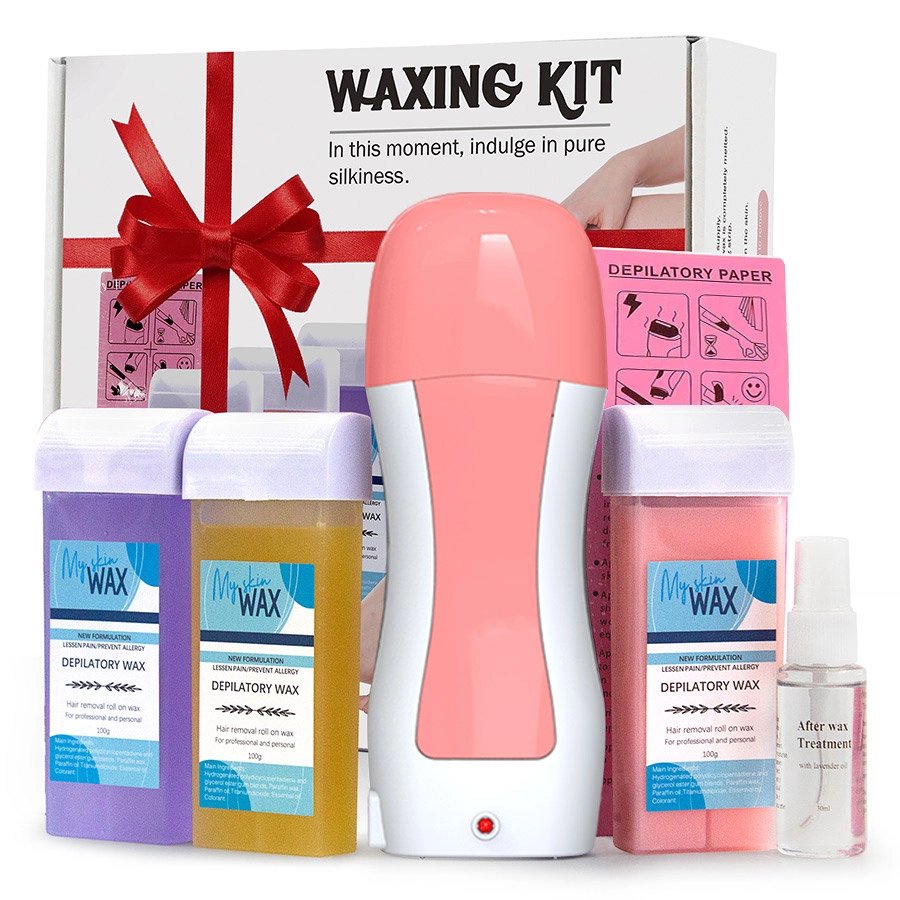
LOVECRAZY F3 is a portable handheld wax warmer tailored for targeted hair removal . It boasts a stylish two-tone body with multi-color options , matching diverse aesthetic preferences.
Crafted from high-quality ABS plastic, this compact device features a 100ml inner pot—ideal for small-area use without wax waste. Its 40W heating power melts hard wax beads/blocks fully in 8-10 minutes.
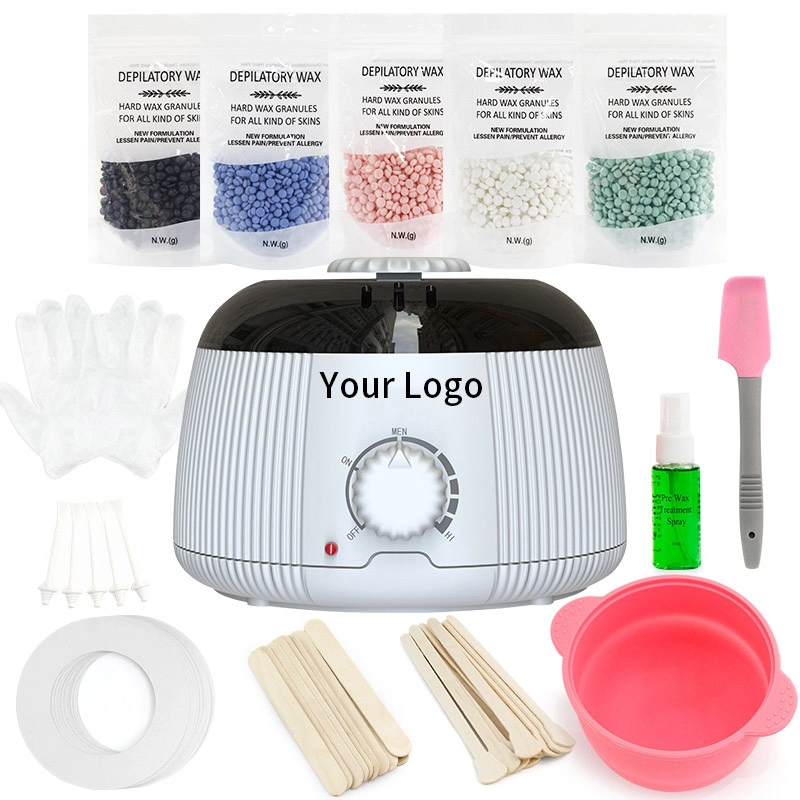
The LOVECRAZY AX-350 wax heater boasts a sleek ribbed body and a wave-shaped thermostat knob, offered in 3 elegant color options — merging stylish design with a durable, easy-to-clean build.
It comes with 100W power: a safe, energy-efficient level that balances rapid heating and low electricity consumption . This power smoothly melts all types of hard wax , while its 500ml large capacity supports multi-area hair removal — fitting both professional salon services and daily home care.
With 100-220V global voltage and optional UK/EU/US plugs, it’s a versatile choice for cross-border use.
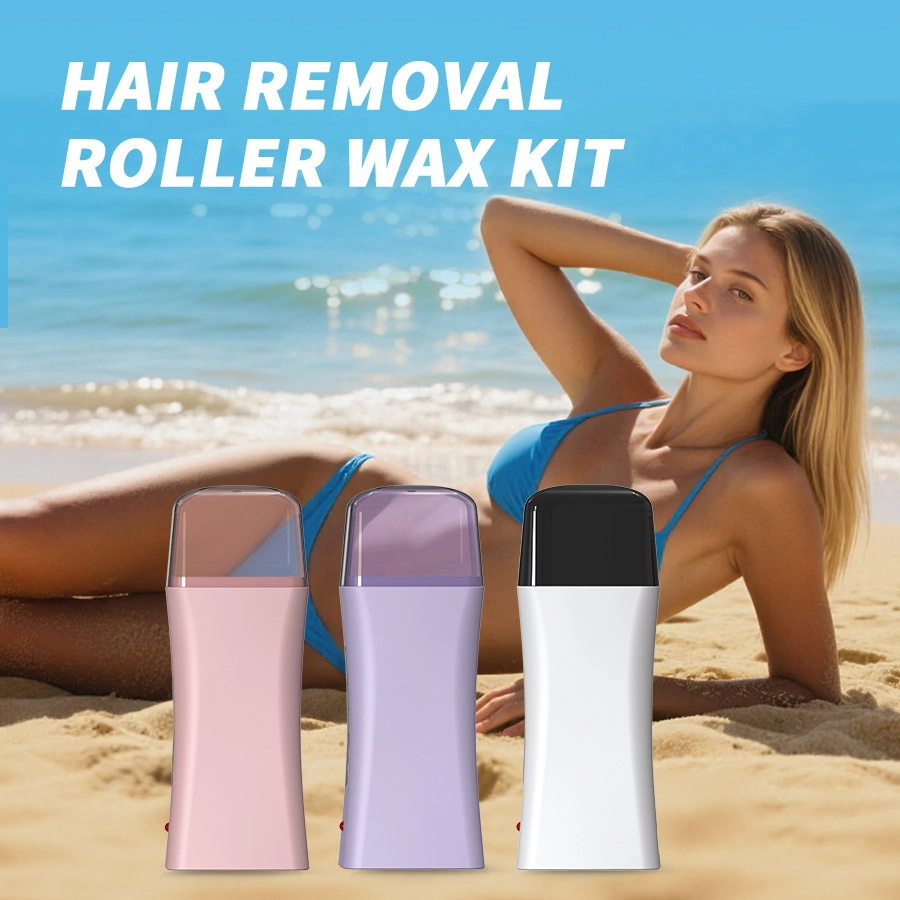
LOVECRAZY F10 is a sleek, ergonomic handheld wax warmer designed for fast, targeted hair removal on areas like the face, eyebrows, underarms, and bikini line. It features a minimalist two-tone design (transparent top cover + solid-color grip) with an anti-slip curved body, available in white, pink, and purple to match diverse aesthetic preferences.
Unlock Your Custom Quote Now
Fill in your requirements and contact details, and our team will get back to you with full information and a tailored quote.
Expert
Book a free consultation to explore your project needs.
As a premier wax heater manufacturer, LOVE CRAZY delivers top-tier OEM salon beauty equipment and custom manufacturing solutions for global B2B partners.
Contact us at
E-mail: david@lovecrazyhome.com
WhatsApp: +86 189 2777 9907
Tel: +86 0757-85626657/85626627
Address: 4F, Building B, No.18, Yiheng Road, Xiahengtian Industrial Zone,Lishui Town, Nanhai District, Foshan, Guangdong, China
 Scan QR Code
Facebook
Instagram
Instagram
Instagram