








Hard Wax vs Soft Wax: Choosing the Right One for Your Skin
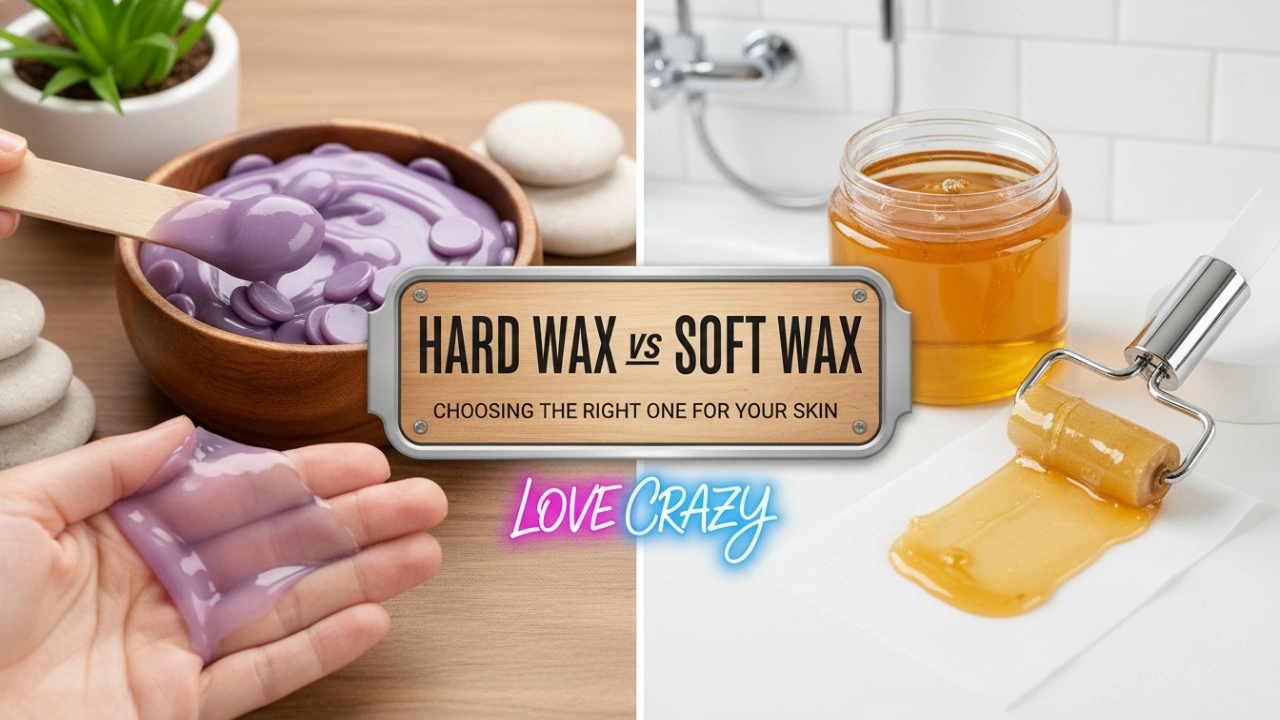
When it comes to getting smooth, hair-free skin, knowing the difference between Hard Wax and Soft Wax is key. In 2026, with all the advancements in beauty tech, picking the right waxing method has never been more important. Whether you're a salon pro or just starting to wax at home, understanding which wax works best for you can make all the difference.
If you're planning a sensitive bikini wax or just want to clear larger areas like your legs or back, knowing whether stripless hard wax or traditional soft wax strips is the better option for your skin type is crucial. This guide will walk you through everything you need to know, from the pros and cons of each type to why investing in a good wax heater is your secret weapon for flawless, long-lasting results.
What is the Difference Between Hard Wax and Soft Wax?
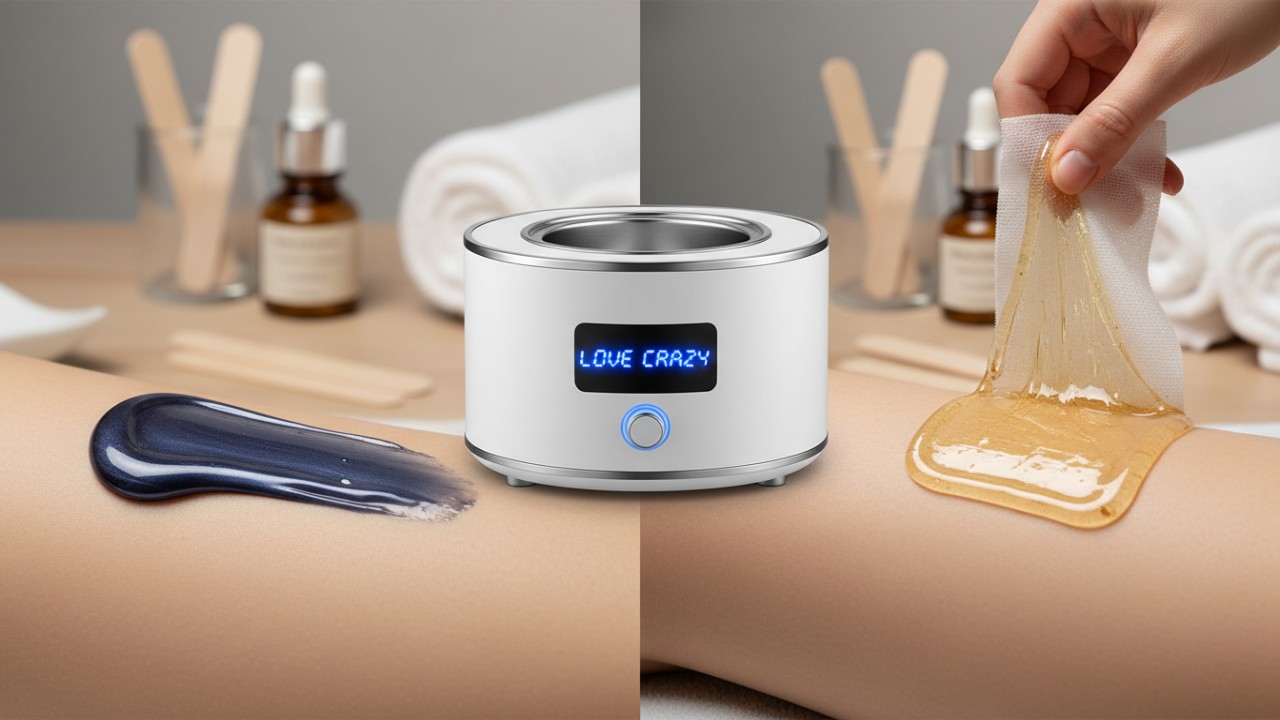
The main difference between hard wax and soft wax is how they're applied and removed. Hard wax cools and solidifies on its own, sticking only to the hair and not the skin—so you don’t need strips to remove it. Soft wax, on the other hand, sticks to both the hair and the skin, requiring cloth strips to remove it.
This difference is important to understand because it directly affects how each wax works and how your skin reacts.
Hard wax is the gentler option. After applying it, the wax cools and shrinks around the hair follicle without bonding to the skin. This makes it easy to peel off and great for sensitive areas.
Soft wax stays sticky even after application, which is why you need a cloth or paper strip to remove it. Since it adheres to both the skin and hair, it gives a mild exfoliation. However, this also makes it a bit harsher on the skin, so using the right technique and keeping an eye on the temperature is essential.
Key Takeaways: Hard vs Soft Wax at a Glance
- Hard wax is best for sensitive areas (think: bikini, underarms, face) and coarse hair, as it minimizes irritation.
- Soft wax is perfect for larger areas (like legs or back) and fine hair, thanks to its fast application and effective removal.
- Here’s a quick breakdown to help you choose the right one for your skin:
-
Feature Hard Wax Soft Wax Removal Method Stripless (peeled off by hand) Requires cloth or paper strips Skin Adhesion Low (only adheres to hair) High (adheres to hair and skin) Pain Level Generally lower Generally higher Best For Hair Type Coarse, thick, stubborn hair Fine, peach-fuzz, vellus hair Ideal Body Areas Face, underarms, bikini/Brazilian Legs, arms, back, chest Exfoliation Minimal High (removes dead skin cells) Reapplication Safe to reapply on the same spot NEVER reapply on the same spot
Understanding Hard Wax: Pros, Cons, and Best Uses
Hard wax is a stripless method—once applied, it cools to create a flexible layer that can be peeled off, taking the hair with it. It’s especially gentle on sensitive skin, making it perfect for areas like the bikini line or face.
How it Works:
Hard wax is applied in a thicker layer, then it cools and solidifies into a rubbery patch. You can then peel it off with your fingers, and since it doesn’t adhere to the skin, it’s much less painful than soft wax.
Pros:
- Less Painful: It doesn’t pull on the skin, so it’s gentler than soft wax.
- Safe for Reapplication: If you miss a hair, you can safely apply more wax without damaging the skin.
- No Strips Needed: No need to worry about messy cloth or paper strips.
Cons:
- Takes Longer: It’s slower to apply, making it less efficient for large areas like full legs.
- Can Be Brittle: If applied too thin or allowed to cool for too long, the wax can become brittle and break during removal.
Best Areas for Hard Wax: Bikini, Brazilian, eyebrows, upper lip, and underarms.
Understanding Soft Wax: Pros, Cons, and Best Uses
Soft wax is known for its speed. It’s spread thinly over the skin and removed with a cloth or paper strip, making it ideal for large areas like your legs and back. It also exfoliates the skin by removing dead skin cells along with the hair.
How it Works:
Soft wax is applied in a thin layer in the direction of hair growth. A cloth strip is then pressed down, and it’s quickly pulled off in the opposite direction. It’s fast and effective, especially on fine hair.
Pros:
- Fast Application: Great for larger areas like legs, arms, and back.
- Exfoliates the Skin: Leaves your skin feeling smoother and glowing.
- Effective on Fine Hair: Soft wax grips fine, light hair better than hard wax.
Cons:
- More Painful: Because it sticks to both the skin and hair, the removal process can be more uncomfortable.
- Risk of Skin Lifting: Soft wax shouldn’t be reapplied to the same area twice, as it can irritate the skin and cause tearing.
Best Areas for Soft Wax: Legs, arms, chest, and back.
Hard Wax vs Soft Wax: Which One Should You Choose?

Selecting the right wax formula largely depends on your skin type. If you have sensitive skin, you’ll want to choose a wax with a low melting point, such as advanced polymer or rosin-free organic blends. These options significantly reduce the risk of allergic reactions and inflammation. Traditional waxes often contain pine resins, which can trigger severe reactions in sensitive individuals. In fact, rosin (colophony), derived from pine trees, is a common allergen that can cause allergic contact dermatitis, making hypoallergenic, rosin-free hard waxes the best choice for reactive skin types. Always opt for a wax with a low melting point to prevent heat-induced redness.
For dry skin, soft wax can provide excellent exfoliation, but it should be followed by intense hydration to restore moisture. Alternatively, using hard wax over a light layer of pre-wax oil creates a protective barrier. This ensures the wax grips only the hair and doesn’t strip away the skin’s natural moisture.
For oily or acne-prone skin, excess sebum can prevent the wax from adhering properly. Thoroughly cleansing the skin and applying a pre-wax powder are essential steps. The powder absorbs excess oils, providing a surface for the wax to grip. Without the powder, the wax will simply slide off the oily surface, making the waxing process painful and ineffective.
The Secret to Perfect Consistency: Why Your Wax Heater Matters
Regardless of which wax you choose, the most important factor is getting the temperature just right. If the wax is too hot, it becomes too runny and can burn your skin. If it’s too cold, it becomes thick and difficult to apply.
This is where a professional wax heater comes in. A good wax heater keeps your wax at the ideal temperature for smooth, effective hair removal. Without the right temperature control, even the best wax will let you down.
If you’re still unsure about the best equipment to ensure your wax is always at the perfect temperature, be sure to explore our Waxing Equipment Guide: Wax Heaters, Wax Beans & Kits Explained.
Expert Tips & Common Waxing Mistakes to Avoid
- Mind the Hair Length: Make sure the hair is the right length—about a quarter-inch long. Too short, and it won’t grip; too long, and it’s more painful.
- Perfect the Pull: Always pull the strip parallel to the skin, not straight up. This helps prevent bruising and ensures that the hair comes out from the root.
- Don’t Reapply Soft Wax: Never apply soft wax to the same spot twice during a session—it can tear the skin.
Conclusion

Choosing between hard wax and soft wax comes down to your needs. Hard wax is best for sensitive areas, coarse hair, and delicate zones like the bikini line. Soft wax, however, is faster and more efficient for larger areas and fine hair. Understanding which wax works for you, along with investing in a professional-grade wax heater, will give you smooth, flawless results every time.
If you want to dive deeper into selecting the right wax heater and tips for perfecting your waxing routine, check out The Complete Guide to Wax Heaters: Uses & Buying Tips. It provides everything you need to know about choosing the best equipment for flawless results.
FAQs About Hard Wax vs Soft Wax: Choosing the Right One for Your Skin
Is hard wax or soft wax better for a Brazilian?
Hard wax is universally recommended for Brazilian and bikini waxing. It only adheres to the coarse hair and not the delicate skin in that area, reducing pain and the risk of skin lifting.
Does hard wax hurt less than soft wax?
Yes, hard wax is generally considered less painful. Because it shrink-wraps the hair and doesn't bond with live skin cells, the removal process focuses entirely on the hair follicle, resulting in less trauma to the skin.
Can you use soft wax on your face?
While soft wax can be used on the face for fine vellus hair (peach fuzz), estheticians typically prefer hard wax. Facial skin is highly sensitive, and soft wax poses a higher risk of irritation or lifting the epidermal layer.
What happens if wax is too hot or too cold?
If wax is too hot, it becomes runny, difficult to control, and can cause severe skin burns. If it is too cold, it becomes stringy, won't spread evenly, and will fail to encapsulate the hair properly. Using a professional wax heater like those from LOVE CRAZY prevents these issues.
Do I need strips for hard wax?
No, hard wax is a 'stripless' wax. Once applied, it cools and hardens into a pliable material that you can grip and peel off directly with your fingers.
How long should hair be before using hard or soft wax?
Hair should be roughly the size of a grain of rice, or about 1/4 inch long. If it's too short, the wax cannot grip it; if it's too long, the waxing process can be more painful and messy.
Is rosin-free hard wax better for sensitive skin?
Yes, rosin (colophony) is a common allergen found in traditional pine-based waxes. Rosin-free or synthetic polymer blend waxes are hypoallergenic and ideal for highly sensitive or reactive skin types.
Can I reuse leftover wax in my wax heater?
If you are using a professional wax heater for personal, at-home use, you can safely reheat and reuse leftover hard wax. However, in a professional salon setting, reusing wax is strictly prohibited due to cross-contamination and hygiene standards.
FAQ
AX-700
What’s the delivery lead time for bulk orders of AX-700?
For orders over 100 units, we ship within 15-35 business days; for 500+ units, lead time is 35 business days (adjustable for urgent orders).
AX-100
Is AX-100 suitable for global use?
Yes, it supports 100–220V wide voltage and offers EU/UK/US plug options, ideal for cross-border sales and use in different regions worldwide.
Products
How long does it take to heat the wax? Is the temperature stable and controllable?
It typically takes 15-25 minutes to reach the optimal working temperature. Once heated, it automatically maintains a constant, safe range, preventing skin burns from overheating or reduced effectiveness from underheating. You can use it with confidence.
DMJ-140
Can I get sample orders before placing a bulk purchase?
Yes, paid samples are available, and sample fees can be deducted from your first formal bulk order.
F8
What types of wax is F8 compatible with?
It works with all hard wax beads and blocks—matching the ""Wax Type"" specification for targeted hair removal.
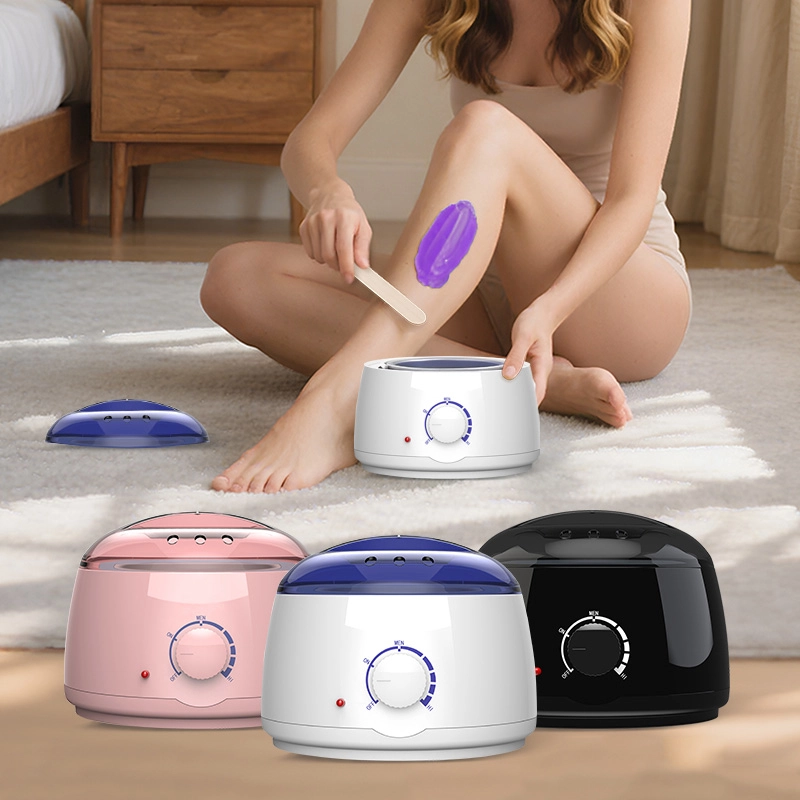
Our waxing heater combines stylish design with professional performance, making salon-quality results effortless.
Its rapid heating technology, consistent temperature control, and skin-friendly formula ensure smooth, long-lasting hair removal every time. Whether you're a beginner or an experienced waxer, it's a quick and reliable way to transform your hair removal routine.
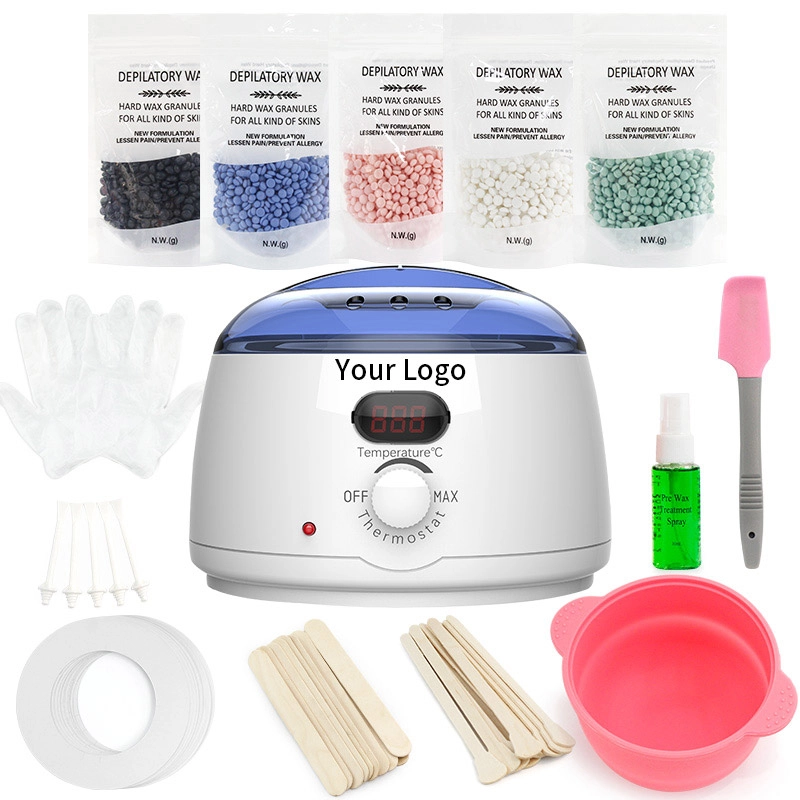
The LOVECRAZY AX-400 wax heater has a digital temp display, transparent dome lid, and high-quality PP ; 120W heats hard wax fast safely.500ml covers multi-area hair removal per cycle, works with all hard wax, supports 100-220V + UK/EU/US plugs, and cleans easily by peeling solidified wax.
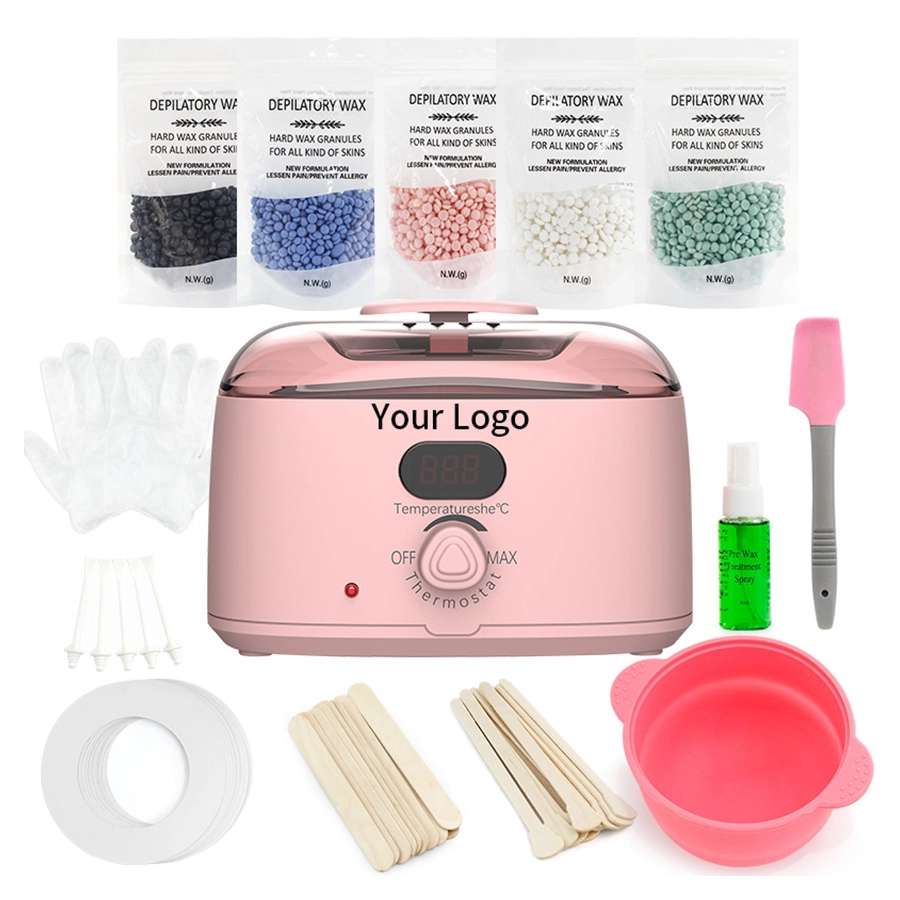
LOVECRAZY AX-500A has a handle-equipped transparent lid (safe to lift, real-time wax monitoring) and digital temp display (precise control), crafted from heat-resistant, non-toxic PP.
120W heats hard wax (beads/blocks) fast; 500ml covers multi-area hair removal per cycle. Clean easily: let residual wax solidify, then peel it off. It supports 100-220V for global use.
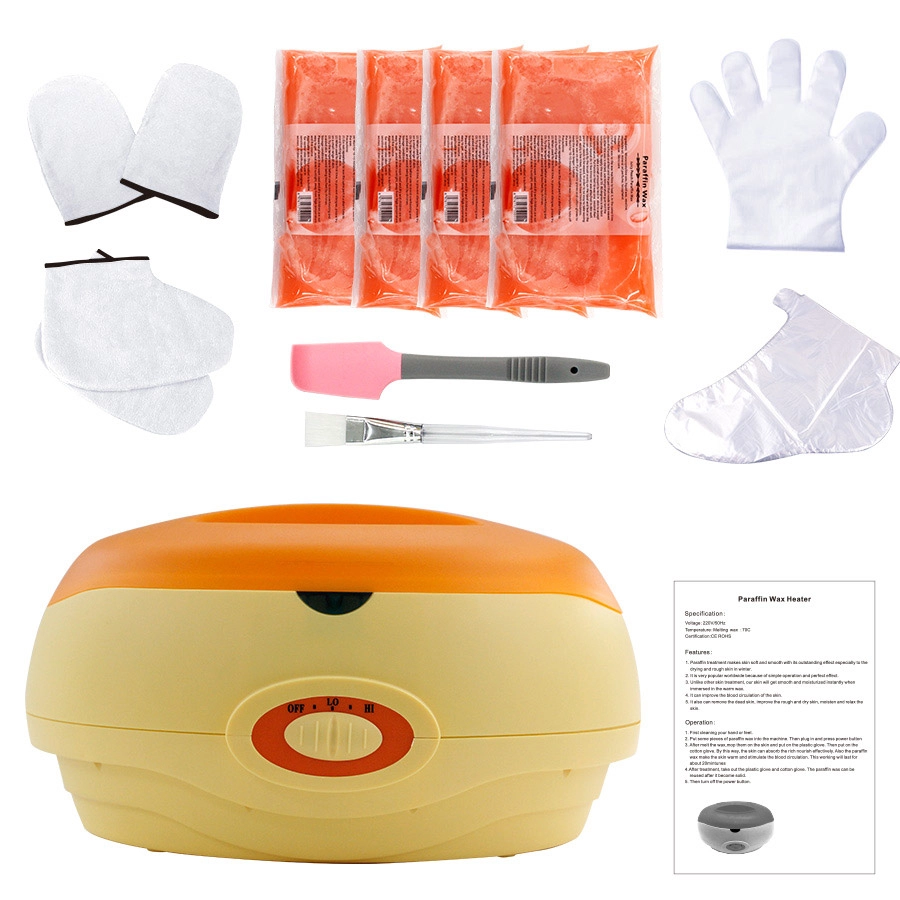
LOVECRAZY AX-2200 is a user-friendly paraffin wax warmer tailored for both salon and home use.Powered by 200W efficient heating, it quickly melts hard wax beads/blocks to a consistent texture; its 3500ml large capacity covers full-body care in one cycle, cutting down the hassle of frequent wax refills. Crafted from high-quality PP plastic, the body is heat-resistant, non-toxic, and durable for long-term high-frequency use. It also supports 100-220V universal voltage , making it a versatile option for cross-border wholesale.
As a premier wax heater manufacturer, LOVE CRAZY delivers top-tier OEM salon beauty equipment and custom manufacturing solutions for global B2B partners.
Contact us at
E-mail: david@lovecrazyhome.com
WhatsApp: +86 189 2777 9907
Tel: +86 0757-85626657/85626627
Address: 4F, Building B, No.18, Yiheng Road, Xiahengtian Industrial Zone,Lishui Town, Nanhai District, Foshan, Guangdong, China
 Scan QR Code
Facebook
Instagram
Instagram
Instagram