









automatic manicure nail drill machine for salons | Insights by LOVE CRAZY
Buying Guide: Automatic Manicure Nail Drill Machine for Salons (and Wax Heater Manufacturer Tips)
This guide answers six specific, technical questions that beginner salon buyers often search for but rarely find clear, up-to-date answers to. It embeds practical checks you can use when evaluating automatic manicure nail drill machine for salons and when selecting wax heater manufacturers for safe, reliable salon operation.
1. What handpiece collet size and drill bit shank should I choose to avoid bit slippage and compatibility issues in salon-grade automatic manicure nail drill machines?
Problem: Bit slippage wastes time, damages natural nails, and frustrates technicians. Many beginner buyers assume all bits fit all machines, which is false.
Practical answer and checklist:
- Standard collet sizes: Most professional electric nail drill handpieces use a 2.35 mm (3/32) collet for e-file bits. Some systems use 1/8 or proprietary shanks. Confirm the handpiece collet size listed in spec sheets. 2.35 mm is the salon industry standard and ensures broad compatibility with carbide, diamond, and ceramic bits.
- Verify whether the collet is self-tightening or uses a chuck key/collet nut. Self-tightening collets (push-in/pull-out style) are faster for busy salons, but check reviews for slippage reports at high RPM. Keyed collets are more secure but slower for bit changes.
- Inspect the stated maximum allowable bit diameter and length. Some high-speed units require shorter shanks to avoid imbalance at 20,000–30,000 RPM peaks.
- Ask the manufacturer for a compatibility list or sample bits to test. Quality manufacturers will provide a bit compatibility chart or ship a starter kit of bits sized for their handpiece.
- Look for precision machining tolerances in the spec sheet (e.g., collet concentricity). Lower tolerances reduce wobble. If a manufacturer cannot provide tolerance figures, demand a sample for bench testing before bulk purchase.
2. How do I assess torque vs RPM for an automatic manicure nail drill machine for busy salons to prevent heat buildup and client discomfort?
Problem: Sales pages often list only up to 30,000 RPM without explaining torque or real-world cutting power. High RPM with low torque stalls under load; high torque at low RPM is better for file work and reduces heat and vibration.
Key concepts and steps:
- RPM describes rotational speed; torque is rotational force under load. For acrylic and heavy filing, torque matters more. For surface work, speed matters.
- Look for published torque ratings (some manufacturers provide N·cm or relative torque classes). If torque isn't published, ask for performance demo with heavy sanding bands or acrylic removal to judge whether the motor stalls.
- Brushless motors: They typically produce more consistent torque, lower heat, and longer service life than brushed motors. If longevity and reduced maintenance are priorities, prefer brushless motor designs in professional nail drills.
- Variable speed and multiple preset modes (low torque/high torque or preset RPM ranges) help teams handle diverse services without overheating the bit. An easy-to-read LED display and a foot pedal control help manage speed live, reducing accidental overheating of the natural nail.
- Practical RPM guide: Most professional drills operate usefully in the 0–30,000 RPM range. For safer, controlled work, many techs use 5,000–18,000 RPM for filing and shaping, increasing RPM for buffing. Choose a unit with fine speed control increments (e.g., 100–500 RPM steps) rather than coarse steps to avoid aggressive material removal and heat buildup.
3. Which sterilization and infection-control methods are safe for electric nail drill handpieces and bits without voiding warranties?
Problem: Buyers often sanitize improperly (autoclaving entire handpieces, submerging non-waterproof units), which causes failures and voided warranties.
Manufacturer-safe infection control recommendations:
- Read warranty and IP-rating details: Most handpieces are not fully autoclave-safe. Look for an IPX7 or higher rating and explicit manufacturer statement if autoclave sterilization is permitted. If absent, assume the handpiece is NOT autoclave-safe.
- Two-tier approach: Use sterilizable bits or disposable single-use steel bits for cuticle work; use barrier systems for non-autoclavable handpieces. Many salons use single-use sanding bands, disposable tips, or autoclavable stainless-steel bits on compatible handpieces.
- Cold sterilization options: For non-autoclavable handpieces, use EPA-registered disinfectants or high-level disinfectants following manufacturer contact-time guidelines. Do not submerge electrical connectors or bearings; instead, use barrier sleeves and clean external surfaces with disinfectant wipes approved by the manufacturer.
- Ultrasonic cleaning: Safe for removable bits and metal parts. Always dry thoroughly before reassembly. Ultrasonic machines remove debris prior to chemical disinfection but do not replace sterilization when required by local regulation.
- Serviceable handpieces: If your salon requires autoclaving for every client (some jurisdictions do), choose handpieces specifically rated for autoclave cycles, or select systems with removable, autoclavable sleeves or disposable covers that meet local health code standards.
4. How can I evaluate electrical compatibility and salon circuit load when adding multiple high-speed nail drills and wax heaters from manufacturers?
Problem: Salon owners sometimes overload circuits with multiple devices (nail drills, wax heaters, lamps), causing tripped breakers or unsafe wiring conditions.
Practical electrical planning steps:
- Check device power specs: Nail drills are low-wattage (typically 20–60W for tabletop control boxes and handpieces). Wax warmers vary widely — small single-pot units typically 60–150W; larger units or multi-pot digital heaters can consume 200–600W. Always verify the wattage and rated voltage (110–120V or 220–240V).
- Understand circuit capacity: In many regions a standard 120V/15A circuit can support up to ~1800W continuous load. Always leave a safety margin and avoid loading a single circuit with multiple high-wattage devices (e.g., several wax heaters plus multiple drill stations).
- Prefer dual-voltage or universal 110–240V equipment for salons that travel or source from international wax heater manufacturers. Dual-voltage reduces the risk of wrong-voltage damage but requires correct plug/adaptor selection.
- Ask manufacturers for inrush current and continuous wattage specs; wax heaters and some motors can have significant inrush when starting. If inrush is high, even low-rated devices can trip breakers when multiple units start simultaneously.
- Plan dedicated circuits for high-load equipment or clusters of stations. An electrician can add 20A circuits where needed. For safety and to meet insurance requirements, consult a licensed electrician before adding multiple units to a single outlet bank.
5. What certifications and documentation should I demand from wax heater manufacturers and nail drill suppliers to meet local salon regulations and reduce liability?
Problem: Many low-cost suppliers lack safety listings; buying uncertified equipment can violate local codes and leave you liable for accidents.
Certifications and documentation to request:
- Safety marks: For the U.S. market, look for UL or ETL listings. For the EU, CE marking indicates conformity to EU directives (including electrical safety). RoHS demonstrates restriction of hazardous substances. Other country-specific marks (e.g., CSA in Canada, SAA in Australia) may be relevant depending on your location.
- EMC and electrical compliance: Ask for test reports for electrical safety and electromagnetic compatibility if you operate near other sensitive equipment or in regulated jurisdictions.
- Material safety and food-contact where applicable: Wax heaters that contact consumable liners or use plastic inserts may need FDA or equivalent material approvals for skin-contact safety. Request material certificates from the manufacturer.
- Warranty documents and Service Level Agreement (SLA): Request a written warranty specifying duration, coverage (parts, labor, shipping), and any required maintenance actions to retain warranty. Verify return authorization process and whether there are local service centers or authorized repair partners.
- Technical datasheet and user manual in your language: This should include installation, electrical ratings, maintenance, and cleaning instructions. Absence of a clear manual is a red flag.
6. How should I interpret warranty, after-sales service, and spare-part availability when selecting an automatic manicure nail drill machine for salons used by multiple technicians daily?
Problem: A warranty is only valuable if it is backed by local service, spare parts availability, and practical turnaround times. International suppliers with long lead times can cause prolonged downtime.
What to verify and negotiate:
- Warranty length vs. real coverage: Typical professional-grade equipment carries 1–3 year warranties on the control unit and 6–24 months on handpieces. Confirm the warranty covers motor failure, electrical faults, and not just manufacturing defects. Read exclusions carefully (cosmetic damage, misuse, water damage may be excluded).
- Local service and spare parts: Ask for an authorized service center list and average repair turnaround times. For busy salons, having spare handpieces, control boxes, and commonly failing parts (collets, brushes for brushed motors) on hand reduces downtime.
- Availability of consumables: Confirm that bits, sanding bands, replacement filters (if a dust-collection system is integrated), and power cords are readily available. If a supplier uses proprietary accessories, verify global and domestic distribution channels.
- Repair vs. replacement policy: For multi-station salons, negotiate swap-out policies where the supplier sends a replacement unit while repairing the faulty device. This often requires a business account or higher-tier warranty plan but prevents service interruptions.
- Training and documentation: Good manufacturers offer training videos, maintenance schedules, and troubleshooting guides. These reduce repair requests and improve equipment lifespan. Ensure the supplier provides these resources in the language your staff uses.
Concluding guidance: When evaluating automatic manicure nail drill machine for salons and choosing wax heater manufacturers, prioritize certified, well-documented equipment with clear torque/RPM specs, brushless motor options, standard 2.35 mm collet compatibility, and explicit infection-control instructions. Confirm electrical ratings, ask for dual-voltage models if needed, and secure a warranty that includes local service or rapid replacement. These factors minimize downtime, protect clients and staff, and optimize ROI for salon equipment investments.
Summary of advantages: Choosing certified, salon-grade automatic manicure nail drill machines and reputable wax heater manufacturers delivers improved performance (consistent torque and RPM), safer infection-control workflows, predictable electrical behavior, and reduced long-term costs thanks to available spare parts and reliable after-sales service. Brushless motors, standard collet sizing, clear sterilization guidance, and verified certifications (CE/UL/RoHS) are features that protect client safety and technician productivity.
For a custom quote or to request product datasheets and testing certificates, contact us: www.lovecrazyhome.com or david@lovecrazyhome.com.
FAQ
AX-100C
Do AX100C have internationalcertifications for cross-border wholesale?
Both models are certified with CE, FDA, and RoHS—compliant with EU, US, and most global market regulatory standards, supporting your cross-border sales without compliance risks.
AX-001
Do you offer B2B samples for AX-001, and what’s the sample policy?
Yes, paid samples are available; sample fees are refundable when bulk orders are placed.
DMJ-111
Does this nail drill have safety protection features?
Yes, it has built-in overheat, overload and short-circuit protection.
WAX-2500
What's the MOQ for AX-2500 bulk orders?
The MOQ is 100 units .
Products
Are your aromatherapy oils free of common allergens (e.g., parabens)?
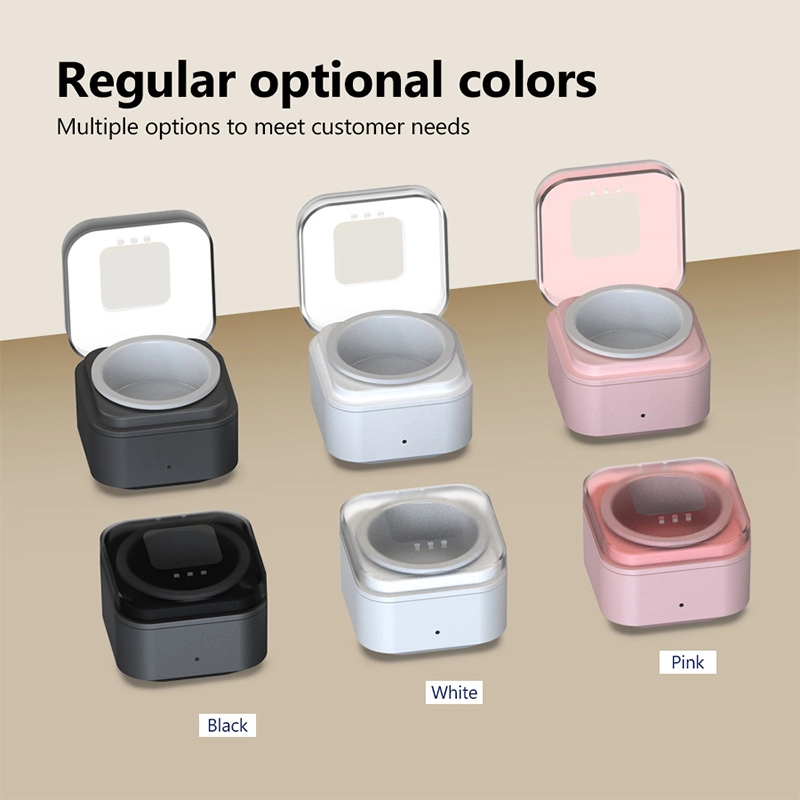
Our AX-002 mini wax warmer combines compact portability with salon-grade performance, delivering salon-worthy hair removal results with zero fuss.
Its fast wax-melting system, precision temperature regulation, and hygienic single-use design guarantee smooth, long-lasting hair-free skin for targeted areas each use. Whether you’re a novice DIY user or a seasoned esthetician, it’s a hassle-free, dependable solution to upgrade your targeted hair removal process.
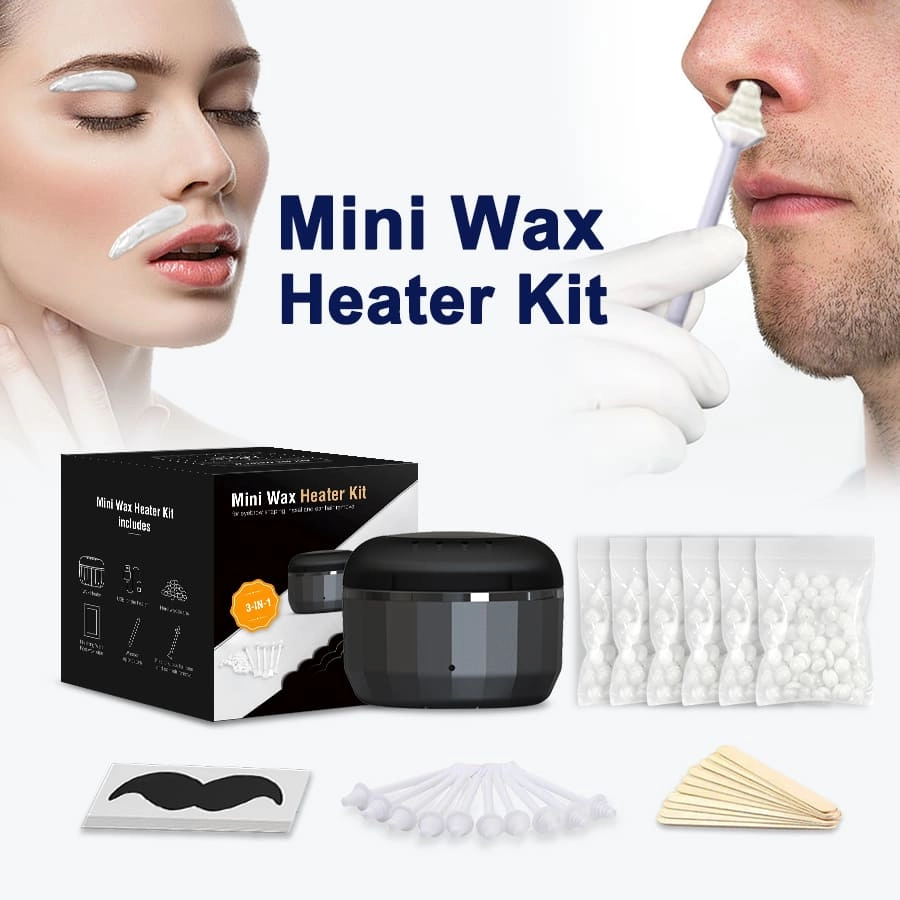
Our AX-001 10ml Mini Wax Warmer Kit combines sleek, compact design with professional-grade waxing performance, delivering flawless precise hair removal for small, delicate areas. This all-in-one complete waxing set features a rapid heat-up system, steady temperature control, and a full range of premium waxing accessories, making it the perfect dependable solution for at-home beginners and professional estheticians alike. Achieve salon-worthy, long-lasting silky smooth skin with zero hassle, every single time.
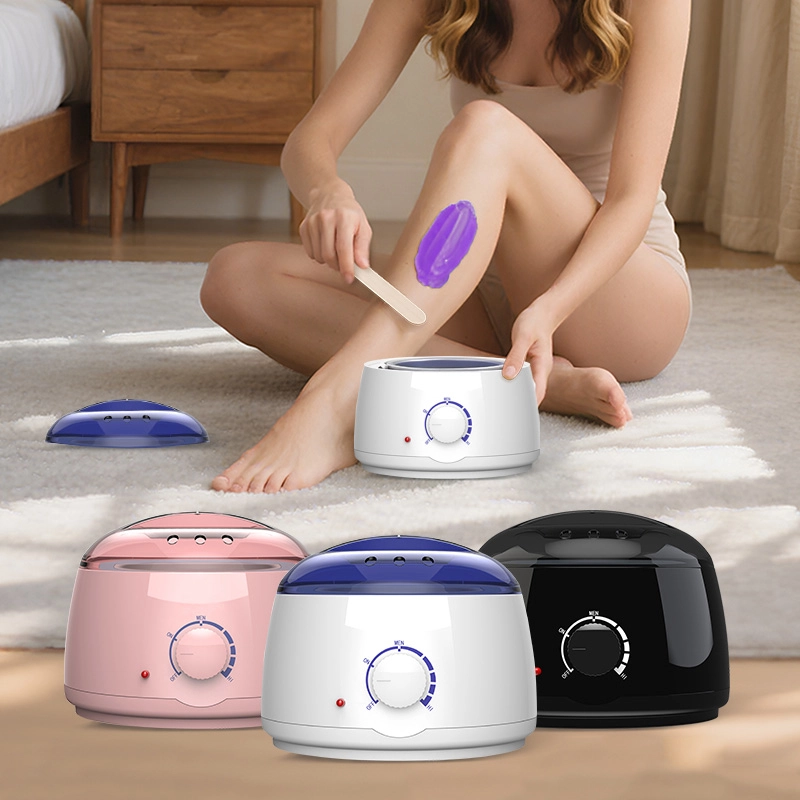
Our waxing heater combines stylish design with professional performance, making salon-quality results effortless.
Its rapid heating technology, consistent temperature control, and skin-friendly formula ensure smooth, long-lasting hair removal every time. Whether you're a beginner or an experienced waxer, it's a quick and reliable way to transform your hair removal routine.
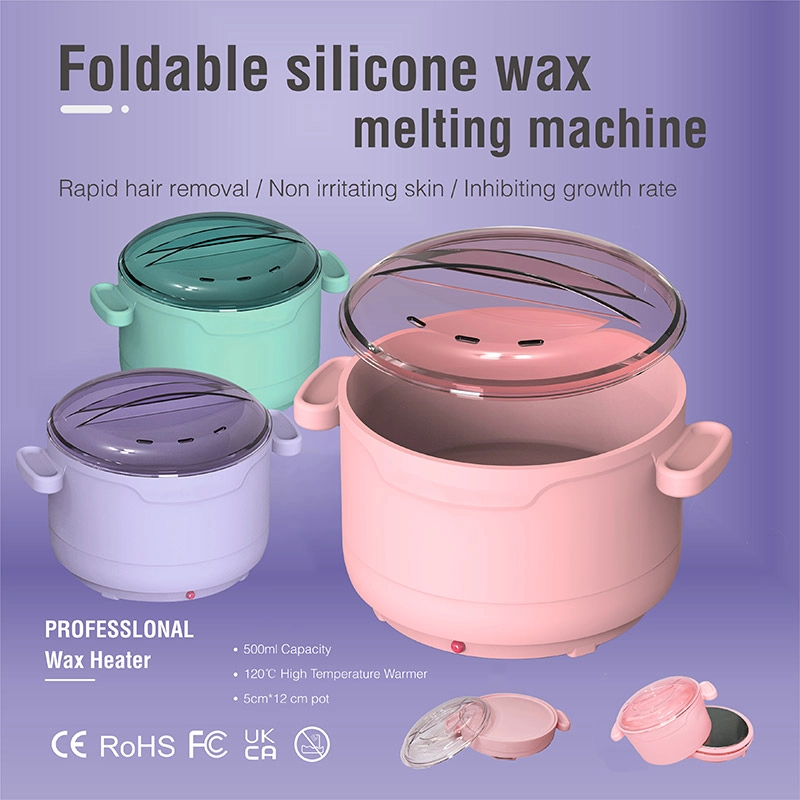
Our LOVECRAZY AX-110 550ml silicone wax heater blends safe, durable silicone material with reliable performance, making salon-quality multi-area hair removal effortless.
Its 30W fast heating, multi-wax compatibility (hard beads/blocks), 100-220V global voltage, and pink design suit salons, home users, and cross-border wholesale for face/eyebrows/body use.
As a premier wax heater manufacturer, LOVE CRAZY delivers top-tier OEM salon beauty equipment and custom manufacturing solutions for global B2B partners.
Contact us at
E-mail: david@lovecrazyhome.com
WhatsApp: +86 189 2777 9907
Tel: +86 0757-85626657/85626627
Address: 4F, Building B, No.18, Yiheng Road, Xiahengtian Industrial Zone,Lishui Town, Nanhai District, Foshan, Guangdong, China
 Scan QR Code
Facebook
Instagram
Instagram
Instagram