









what is the best wax heater machine for salons? | Insights by LOVE CRAZY
Choosing the best wax heater machine for salons requires more than brand recognition. Salon owners need a professional wax warmer that delivers precise temperature control, fast recovery, easy sanitation, spare-parts availability, and compliance with safety certifications. Below are six specific, buyer-focused questions beginners frequently ask but rarely find thorough answers to—each answered in depth for salon purchasing and sourcing decisions. Semantic terms such as digital thermostat, dual pot wax warmer, hard wax beads, soft wax, PID controller, stainless steel pot and disposable liners are used naturally throughout.
1) Which salon wax heater provides the most accurate temperature control for both hard bead waxes and soft strip wax without burning clients?
Pain point: Burn risk, inconsistent results, and wasted product when heaters over- or under-heat different wax formulations.
In-depth answer: Accuracy matters because hard wax beads and soft strip waxes have different working viscosities and client-safety windows. Look for a professional wax warmer with a digital thermostat and a minimum ±1°C (or ±1°F depending on unit readout) set-point repeatability. Units with PID (proportional–integral–derivative) control produce the tightest temperature stability—minimizing overshoot during melt and avoiding thermal cycling that degrades wax quality and shortens heater life.
Key features to require:
- Digital thermostat with an actual readout (not just low/medium/high) so technicians can match manufacturer-recommended melt settings on hard wax beads and soft wax jars.
- PID control or an equivalent microcontroller-based regulator for steady maintenance temperatures during back-to-back services.
- Separate melt and keep-warm modes to rapidly bring wax to melting viscosity and then hold at a safe working temperature.
- Temperature probe or external sensor access; some manufacturers provide verification probes or independent thermometers—use these during commissioning.
Why this matters practically: A stable digital wax heater reduces client complaints, lowers the risk of burns (a top legal and reputation risk), and keeps hard beads from overheating—preserving elasticity and adhesion performance. When comparing models, ask for a short sample test or a thermographic log if you plan a large procurement.
2) What pot capacity and configuration (single vs dual vs multi-pot) minimizes downtime and cross-contamination for busy salons doing Brazilian and full-body waxing?
Pain point: Slowing service flow during busy appointments, having to remelt different wax types, and contamination when using one pot for multiple waxes.
In-depth answer: Capacity and configuration should be matched to your service mix and throughput. For single-operator or low-volume salons, a reliable single-pot professional wax warmer with removable, easy-to-clean pots may be sufficient. For medium to high throughput or multi-operator salons, dual-pot or multi-pot wax warmers are the practical choice because they let you keep different formulations (for example, a low-melt point hard bead for bikini areas and a higher-viscosity soft wax for legs) ready simultaneously.
Practical procurement criteria:
- Removable stainless-steel or ceramic inserts and compatibility with disposable liners—this reduces cross-contamination risk and speeds changeover.
- Pot size matched to service volume—choose larger pots (or extra pots) if you do back-to-back full-body services to avoid frequent remelting.
- Independent temperature control per pot (in dual/multi units) so you can maintain different working temperatures simultaneously.
Operational tip: Use dedicated pots or disposable liners for facial and Brazilian work (higher infection-control risk areas), and label pots to prevent accidental cross-use. When sourcing from wax heater manufacturers, confirm available pot sizes, liner compatibility, and whether spare inserts are sold separately.
3) How can I verify a wax heater manufacturer's quality, warranty and after-sales support before placing bulk salon orders?
Pain point: Buying low-cost units with poor durability, long lead times for spares, and minimal warranty support.
In-depth answer: Vetting a manufacturer should go beyond price. Use a checklist approach focused on verifiable documentation and transparent service practices:
- Certifications and test reports: Request copies of safety certifications (CE/UKCA for EU/UK markets, ETL/UL for North America where applicable) and EMC/safety test reports. These demonstrate compliance with electrical and safety norms.
- Quality systems: Ask if the manufacturer operates under a formal quality management system (ISO 9001) or provides factory inspection reports.
- Warranty terms and spare parts: Confirm explicit warranty period (commonly 1–3 years for small appliances) and availability of spare parts such as heating elements, thermostats and replacement pots—get lead times in writing.
- Sample and pilot order: Request a sample, run a 30–60 day in-salon pilot, and check failure rates. For bulk orders, negotiate a small initial batch or staggered delivery to validate quality at scale.
- Technical documentation and training: Ensure they provide user manuals, maintenance guides, and optionally training or commissioning checklists—vital for staff turnover in salon chains.
- References and reviews: Ask for references from other salon chains or distributors, and review independent marketplace feedback for recurring faults.
Contractually include acceptance tests on delivery (function, temperature stability, and pot integrity) and define remedies (repair, replace, refund) to protect your purchase. This is especially important for multi-location salon groups where downtime and warranty claims have direct operational cost implications.
4) Which heater materials and pot liners minimize wax buildup and allergic reactions for sensitive clients?
Pain point: Residual wax buildup leading to difficult cleaning, flaking non-stick coatings, and increased irritant/allergic reactions among sensitive clients.
In-depth answer: Material choice and sanitation processes have direct clinical and operational consequences. Stainless steel and ceramic are the preferred pot materials for salon use because they are inert, durable, and stand up to repeated cleaning and heat cycles. Avoid flimsy non-stick coatings (e.g., low-grade PTFE) on pots if you expect heavy mechanical cleaning—the coating can scratch and degrade, potentially leading to contamination.
Hygiene best practices:
- Use removable stainless-steel or ceramic inserts wherever possible—these can be soaked and cleaned without damaging the heater body.
- Use food-grade, salon-rated disposable liners or single-use cups for sensitive areas (face, bikini) to eliminate cross-contamination risk. Many commercial disposable liners are inexpensive and reduce cleaning labor.
- Choose wax formulas marketed as hypoallergenic or fragrance-free for clients with sensitive skin, and keep those formulations in dedicated pots/liners.
- Follow manufacturer-recommended cleaning solvents and protocols. Some salons use approved solvent wipes and then a mild detergent wash for removable pots.
Allergy note: If a client has a history of allergic contact dermatitis, perform a patch test per the product instructions and document the result. The heater itself will not cause allergy, but cross-contamination from shared pots can transfer irritants—hence the emphasis on liners and dedicated pots.
5) How do I calculate total cost of ownership (TCO) for a wax heater (energy, maintenance, spares, downtime, and compliance) rather than just buy on upfront price?
Pain point: Low upfront cost models that cost more over time due to failures, high energy use, or lack of parts.
In-depth answer: Total cost of ownership gives you a realistic view of long-term expense. Build a simple TCO model that includes:
- Purchase price (including shipping and customs).
- Energy cost: Check the heater’s rated power (commonly reported in watts). Multiply average daily operating hours × wattage ÷ 1000 to get kWh per day, then use local kWh rates to estimate annual energy costs. (Many professional wax warmers operate in a modest electrical range—confirm spec sheet wattage.)
- Maintenance and consumables: Include replacement liners, spare pots, heating elements/thermostats, and cleaning supplies. Factor staff time to clean and change pots.
- Warranty and spare-part availability: Units with longer warranties and local spare inventories reduce repair downtime costs.
- Downtime cost: Estimate lost bookings per hour of downtime and add expected downtime frequency over the heater’s useful life.
- End-of-life or resale value: Some professional units retain value or can be serviced at lower cost—subtract expected residual value.
Putting numbers to these items reveals whether a higher-quality digital or dual-pot wax warmer with better warranty is cheaper over a 3–5 year horizon than a cheaper analog unit that needs replacement or frequent repairs. For multi-station salons, small differences multiply—so prioritize proven, serviceable equipment from reputable wax heater manufacturers.
6) Are digital PID-controlled wax heaters worth the High Quality compared with analog dial models for salon use?
Pain point: Deciding whether to pay more for modern digital/PID technology when analog dials appear cheaper and simpler.
In-depth answer: For light, occasional home use an analog dial may suffice. In a salon environment where repeatability, client safety and throughput are critical, digital PID-controlled wax heaters generally justify the High Quality. Key benefits include:
- Tighter temperature stability (less overshoot/undershoot) which protects wax properties and reduces burn risk.
- Faster recovery after spatula use and during consecutive services, meaning fewer interruptions and faster turnaround.
- Programmable modes (melt vs warm), clearer diagnostics and often better serviceability because of standardized electronics.
ROI perspective: If a PID-equipped unit reduces service interruptions, lowers product waste, and reduces customer complaints/claims, the incremental cost is frequently recouped within months in a busy salon. For multi-chair operations, the improved consistency across technicians preserves brand standards—making digital/PID units the better long-term investment.
Concluding summary: Why choose a professional wax heater machine for salons?
Choosing the right professional wax heater machine for salons brings several advantages: consistent temperature control (digital/PID), reduced client burn risk, faster recovery and throughput with dual/multi-pot configurations, improved hygiene via removable stainless-steel or ceramic pots and disposable liners, and lower total cost of ownership through reliable manufacturers with warranties and spare-part support. Vet suppliers for certifications, sample runs, and clear after-sales terms to avoid downtime and hidden costs.
For tailored recommendations, sample testing and bulk-quote assistance, contact us for a quote at www.lovecrazyhome.com or email david@lovecrazyhome.com.
FAQ
AX-002
What’s the MOQ for LOVECRAZY AX-002 bulk orders?
The MOQ for AX-002 is 300 units; long-term partners can get flexible adjustments based on order volume.
AX-258
What temperature ranges do the multi-level knob settings (MED/HI) cover, and how to match wax types?
MED (60-70℃) for low-melting hard wax (facial/eyebrow use); HI (75-85℃) for high-melting hard wax (body/leg use). It fits all your existing hard wax inventory without additional purchases.
F1-01
What types of wax is F1-01 compatible with?
It works with all hard wax beads and blocks—matching the ""Wax Type"" specification for targeted hair removal.
DMJ-103
What nail treatments can this machine perform?
It can be used for gel removal, acrylic nail shaping, surface polishing, and cuticle cleaning, covering most manicure needs.
Products
Are your aromatherapy oils free of common allergens (e.g., parabens)?
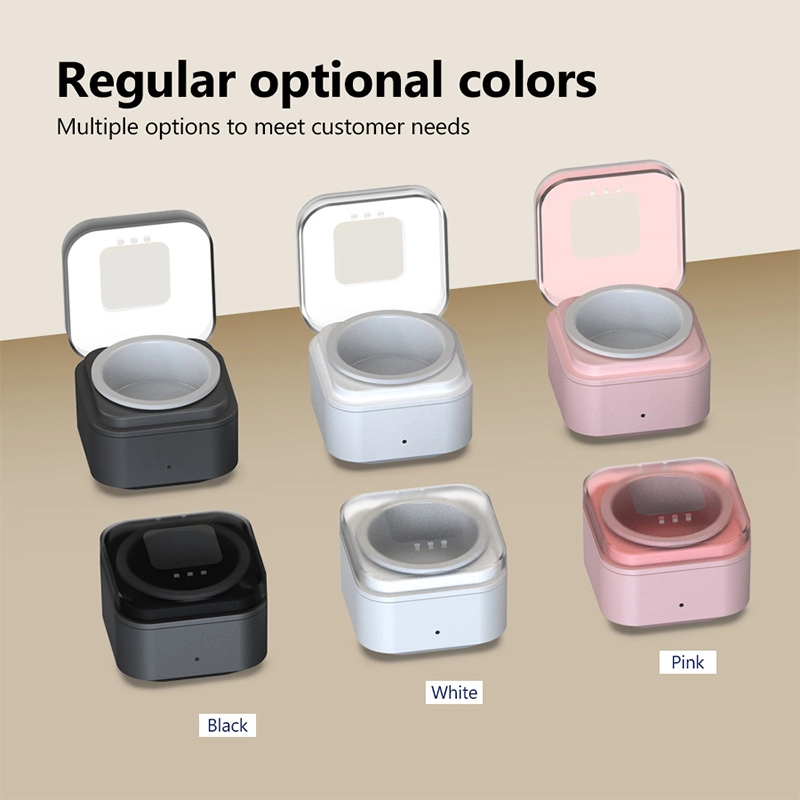
Our AX-002 mini wax warmer combines compact portability with salon-grade performance, delivering salon-worthy hair removal results with zero fuss.
Its fast wax-melting system, precision temperature regulation, and hygienic single-use design guarantee smooth, long-lasting hair-free skin for targeted areas each use. Whether you’re a novice DIY user or a seasoned esthetician, it’s a hassle-free, dependable solution to upgrade your targeted hair removal process.
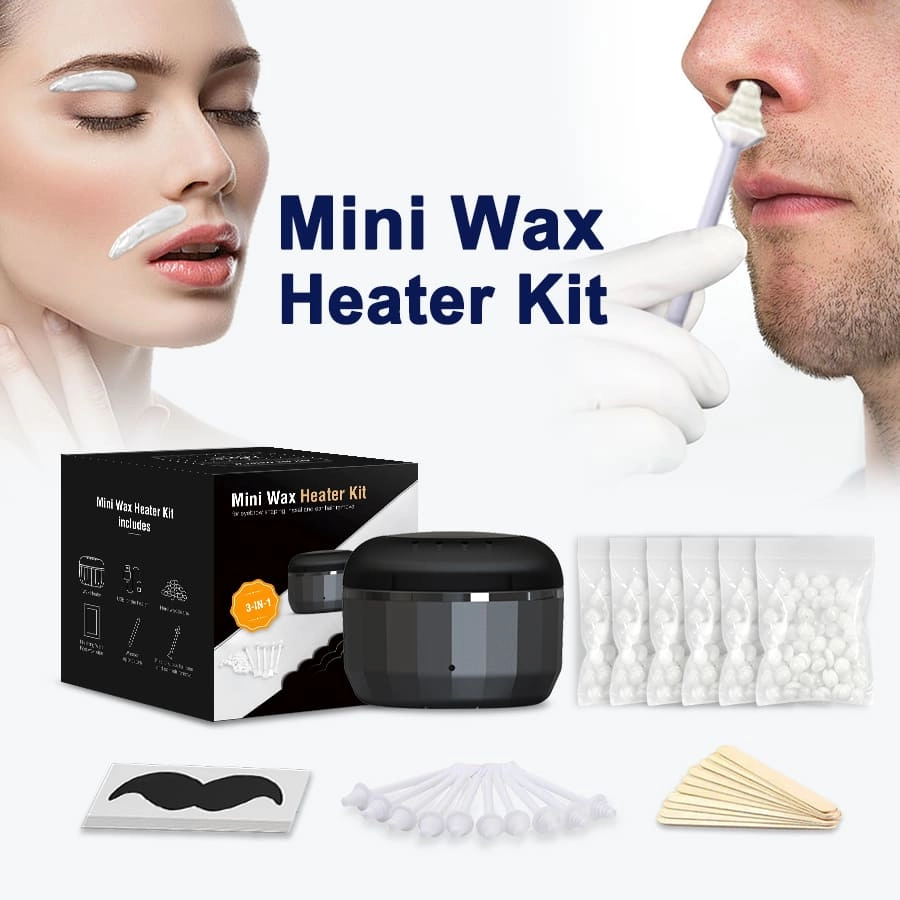
Our AX-001 10ml Mini Wax Warmer Kit combines sleek, compact design with professional-grade waxing performance, delivering flawless precise hair removal for small, delicate areas. This all-in-one complete waxing set features a rapid heat-up system, steady temperature control, and a full range of premium waxing accessories, making it the perfect dependable solution for at-home beginners and professional estheticians alike. Achieve salon-worthy, long-lasting silky smooth skin with zero hassle, every single time.
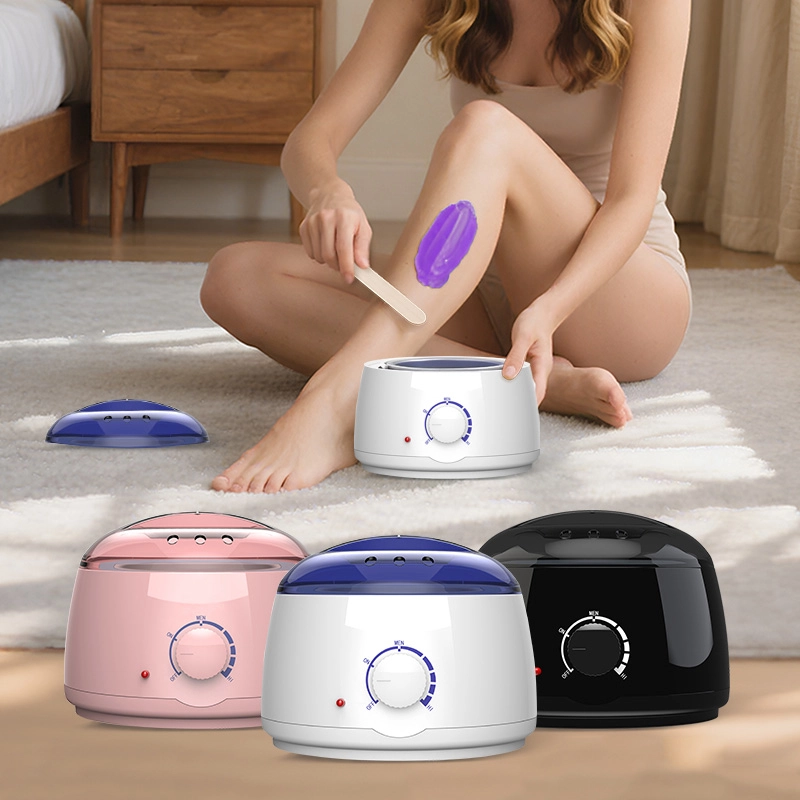
Our waxing heater combines stylish design with professional performance, making salon-quality results effortless.
Its rapid heating technology, consistent temperature control, and skin-friendly formula ensure smooth, long-lasting hair removal every time. Whether you're a beginner or an experienced waxer, it's a quick and reliable way to transform your hair removal routine.
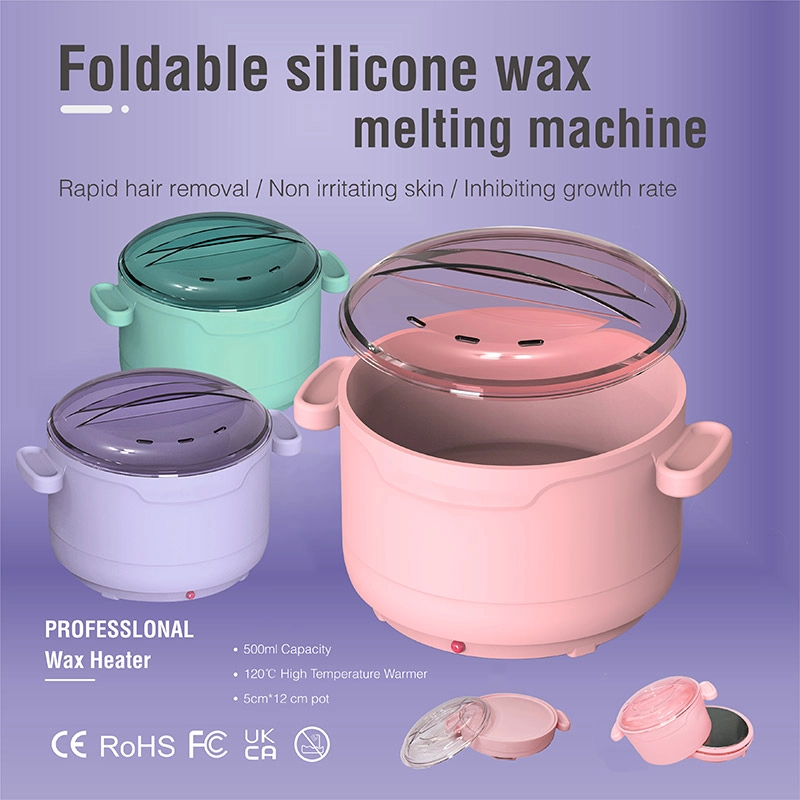
Our LOVECRAZY AX-110 550ml silicone wax heater blends safe, durable silicone material with reliable performance, making salon-quality multi-area hair removal effortless.
Its 30W fast heating, multi-wax compatibility (hard beads/blocks), 100-220V global voltage, and pink design suit salons, home users, and cross-border wholesale for face/eyebrows/body use.
As a premier wax heater manufacturer, LOVE CRAZY delivers top-tier OEM salon beauty equipment and custom manufacturing solutions for global B2B partners.
Contact us at
E-mail: david@lovecrazyhome.com
WhatsApp: +86 189 2777 9907
Tel: +86 0757-85626657/85626627
Address: 4F, Building B, No.18, Yiheng Road, Xiahengtian Industrial Zone,Lishui Town, Nanhai District, Foshan, Guangdong, China
 Scan QR Code
Facebook
Instagram
Instagram
Instagram