








Can I buy bulk wax heaters from manufacturers? | Insights by LOVE CRAZY
Can I buy bulk wax heaters from manufacturers? Practical Wholesale Guide
Buying bulk wax heaters directly from manufacturers can cut unit cost, enable private labeling, and improve supply control — but beginners often run into problems with MOQs, certification, QA, and landed costs. Below are six specific, pain-point-oriented questions buyers ask that often have incomplete or outdated answers online, followed by practical, industry-proven answers that reference current practices used by reputable OEM/ODM wax heater manufacturers.
1. Can I negotiate minimum order quantities (MOQs) and pricing for bulk wax heaters — what’s realistic?
Short answer: Yes — but realistic expectations depend on manufacturer type, component costs, and customization level.
Details and practical steps:
- Typical MOQs: For off-the-shelf models from Asian OEMs, MOQs commonly range from 50–500 units per SKU. For highly customized OEM runs (custom thermostats, branding, packaging), MOQs often start at 300–1,000 units. Small local manufacturers/white-label suppliers may accept lower MOQs (10–50) at substantially higher per-unit prices.
- Negotiation levers: Consolidate SKUs (fewer variants = lower MOQ per SKU); agree to longer lead times or larger total volume across multiple styles; offer flexible payment terms (e.g., 30% deposit, 70% balance on B/L) or pay a larger sample fee; commit to future reorder schedules to unlock lower pricing.
- Price bands: Manufacturers usually have tiered pricing (e.g., 1–99, 100–499, 500+). Expect 10–30% per-unit savings when moving from a small batch (under 100) to mid-volume (several hundred), and another 5–15% saving at multi-thousand volumes, depending on BOM and components such as heating elements and thermostats.
- How to approach suppliers: Request a formal quotation that lists MOQ, price breaks, tooling fees, and sample costs. If an MOQ feels high, propose a pilot order with a slightly higher price and clear KPIs for reorders.
2. How do I verify manufacturer certifications (CE, UL, RoHS) for bulk electric wax heaters before placing a large order?
Short answer: Ask for current test reports and factory audit evidence, and validate them with the issuing labs and third-party inspection services.
Detailed verification checklist:
- Request copies of test reports and certificates: CE/EMC/Low Voltage reports (for EU), UL/ETL/CSA listings or component reports for the U.S. market, and RoHS declarations for hazardous substances. Prefer full test reports (e.g., CB schemes, EN 60335 series for small household appliances) over simple certificates.
- Validate reports: Confirm report numbers and dates directly with the issuing laboratory (SGS, Intertek, TÜV, UL). Many labs maintain searchable databases or will confirm via email. Check the report scope — does it cover the finished product or only a component?
- Factory capability: Request a factory audit report (SMETA, ISO 9001 certificate) and recent production photos/videos showing assembly lines and test benches (temperature cycling, overheat protection tests). For a large order, commission a third-party factory audit.
- Sample testing: Always order factory samples and have them independently tested in your target market (e.g., a TÜV/UL lab in-country) before mass production sign-off. Insist that mass-produced units be sampled and re-tested if critical changes were made.
3. What are realistic lead times, sample policies, and production schedules for OEM bulk wax heater orders?
Short answer: Expect 30–75 days from PO to shipment depending on customization, seasonality, and certification needs.
Typical timeline elements:
- Sample development: Off-the-shelf sample: 3–7 business days. Customized sample (branding, PCB changes): 7–21 days plus any tooling time.
- Approval to start production: After sample sign-off and payment terms agreed, production lead time for 100–1,000 units typically ranges 21–45 days; multi-thousand runs commonly take 45–75 days.
- Certifications: If a product requires additional testing after design changes, add 2–6 weeks for lab scheduling, testing, and possible revisions.
- Seasonality and capacity: Peak seasons (Q3–Q4 for gift/home appliances) can extend lead times by 20–50%. Confirm factory production capacity and the supplier’s booked schedule before committing.
- Sample policy: Many manufacturers charge for samples and shipping, then deduct the sample cost from the first bulk order. Clarify sample payment, who pays for re-tests, and expected sample revision rounds.
4. How do I ensure product safety, temperature accuracy, and consistent batch testing for wholesale wax heaters?
Short answer: Define technical acceptance criteria in the contract, require batch inspection and functional testing, and engage third-party QC for critical runs.
Practical QA program:
- Define performance specs: Specify temperature range, accuracy tolerance (e.g., thermostat accuracy ±2–3°C at target setpoint), heat-up time, maximum surface temperature, overheat protection (thermal cut-off / thermostat fail-safe), and insulation resistance values in your purchase agreement.
- Inspection standards: Use an AQL sampling plan (commonly AQL 2.5 for critical defects) and specify that functional testing (temperature ramp test, PID or thermostat performance) be performed on each sampled unit. Document test protocols and acceptable limits in the contract.
- Batch testing and retention samples: Require the factory to perform a production-line functional test (e.g., 100% safety electrical test, 10% functional temperature check) and to keep retention samples for at least 12 months in case of later disputes.
- Third-party QC: For large orders, hire third-party inspection firms (SGS, Bureau Veritas, AsiaInspection) to perform pre-shipment inspections (PSI) including functional testing and packaging checks. For critical products, arrange third-party lab re-tests on random samples to validate ongoing certification adherence.
- Warranty and defect remedies: Build a warranty clause (commonly 12 months) with clear remedies: replacement, credit, or buy-back ratios depending on defect rates found in the field. Include penalties for repeated failures or non-compliance with test regimes.
5. What are the total landed cost components when buying bulk wax heaters, and how can I minimize surprise fees?
Short answer: Landed cost = Ex-factory price + packaging + inland transport + export/import fees + duties + customs clearance + insurance + last-mile delivery. Plan and model each component to avoid surprises.
Cost breakdown and savings tips:
- Ex-factory unit price: Negotiable with MOQ, tooling, and payment terms.
- Packing and palletizing: Ask for carton dimensions, carton weight, and pallet configuration. Poor packing increases damage claims and freight costs. Consider foam inserts, polybags, and double-boxing for fragile electronics and moving parts.
- Freight: Choose air for samples and urgent small runs; sea freight for bulk shipments. Compare FOB (factory) vs CIF (delivered) quotes to know who handles freight and insurance. Consolidate SKUs into full containers to lower per-unit freight costs.
- Customs duties & taxes: Duty rates depend on HS code for electric heating appliances — check local tariff schedules. Factor VAT/GST and customs clearance agent fees into landed cost calculations.
- Certification and compliance costs: Include any mandatory in-market testing or labeling costs (e.g., energy labeling, electrical safety markings). Non-compliant goods can be detained, incurring storage and rework expenses.
- Insurance and inspections: Add freight insurance and third-party QC fees. Pre-shipment inspections can reduce returns and hidden costs from defects.
6. Can I get custom branding, voltage variants, and packaging for small-batch private-label wax heaters — and at what price impact?
Short answer: Yes, many manufacturers support private-labeling and voltage/custom variants, but cost impact varies by complexity; expect modest fees for branding and higher High Qualitys for electrical/PCB changes.
p>Customization considerations and estimated impacts:
- Branding and packaging: Custom logos and carton artwork typically require no tooling and add small unit costs (USD 0.30–2.00 per unit) depending on print complexity and carton materials. Custom inserts or manuals add cost but improve perceived value.
- Voltage and plug variants: Offering multi-voltage models or different plug types commonly requires minor BOM changes and testing; expect a 3–10% cost increase per variant plus potential extra certification steps for each variant in target markets.
- PCB/thermostat changes: Engineering changes to thermostats, safety cut-offs, or control software are more expensive. Prototype and validation can add USD 500–5,000 (engineering and tooling) depending on scope, plus per-unit increases for new components.
- Tooling and molds: If shell shapes or heating element forms require new tooling, factor in one-time tooling costs (USD 1,000–10,000+ depending on complexity), often amortized across volume.
- Small-batch strategies: If your initial order is small, ask manufacturers for sticker/logo options (post-production printing) or use generic models with custom external labeling to minimize tooling and setup costs. Another approach is to order a limited number of SKUs and test market acceptance before investing in full custom tooling.
Practical negotiation tips: Request a Bill of Materials (BOM) cost breakdown and ask suppliers to separate unit price, branding, packaging, and engineering fees. Use this to identify where cost reductions are possible.
Concluding summary
Buying bulk wax heaters directly from manufacturers gives you lower per-unit costs, greater control over materials, and the option to private-label or customize voltage and safety features. To succeed, document technical acceptance criteria (thermostat accuracy, overheat protection), verify certifications with issuing labs, plan realistic lead times (30–75 days), and account for total landed costs (freight, duties, packaging). Use sample testing, third-party inspections, and clear warranty/penalty clauses to protect quality.
Advantages at a glance: lower cost-per-unit, scalable private-labeling, direct quality oversight, and improved margins when you manage MOQs, certifications, QA testing, and logistics proactively.
If you’d like a tailored supplier recommendation or a formal quote for bulk wax heaters (MOQ options, custom branding, certifications, and shipping terms), contact us at www.lovecrazyhome.com or email lovecrazyStella@aliyun.com — we can arrange samples, third-party testing, and a price breakdown for your target market.
FAQ
AX-350
How to clean AX-350 after use?
Let residual wax solidify, then peel it off easily, saving cleaning time.
F0
Do you offer samples for F0 bulk orders?
Yes, paid samples are available; fees will be fully refunded when placing bulk orders.
F8
Does F8 have safety features to prevent hazards during use?
Yes—it has overheat protection and a heat-insulating PP body, so you won’t get burned while holding the device.
AX-200
Do you offer samples?
Yes, paid samples or refundable samples are available.
Does AX-200 have international certifications for cross-border sales?
It’s certified with CE, FDA, and RoHS—fully compliant with EU/US market regulations, supporting your cross-border wholesale without compliance risks.
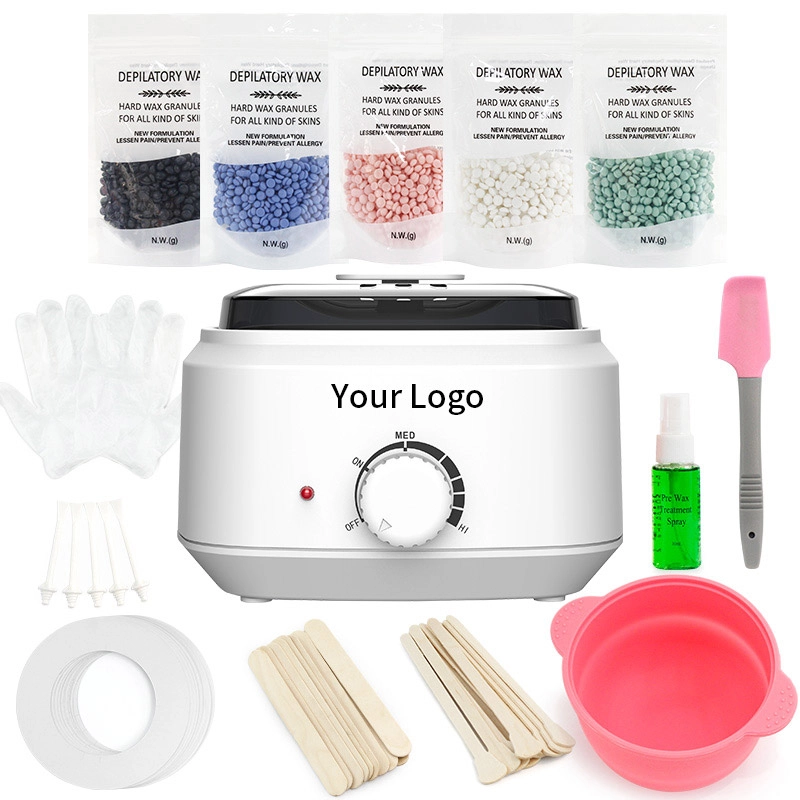
AX-200 500ml PP wax heater blends durable, high-quality material with salon-grade performance, making full-body multi-area hair removal seamless.
Its 100W fast heating, hard wax compatibility (beads/blocks), 100-220V global voltage, and multi-color options suit salons, home users, and cross-border wholesale for face/eyebrows/body use.
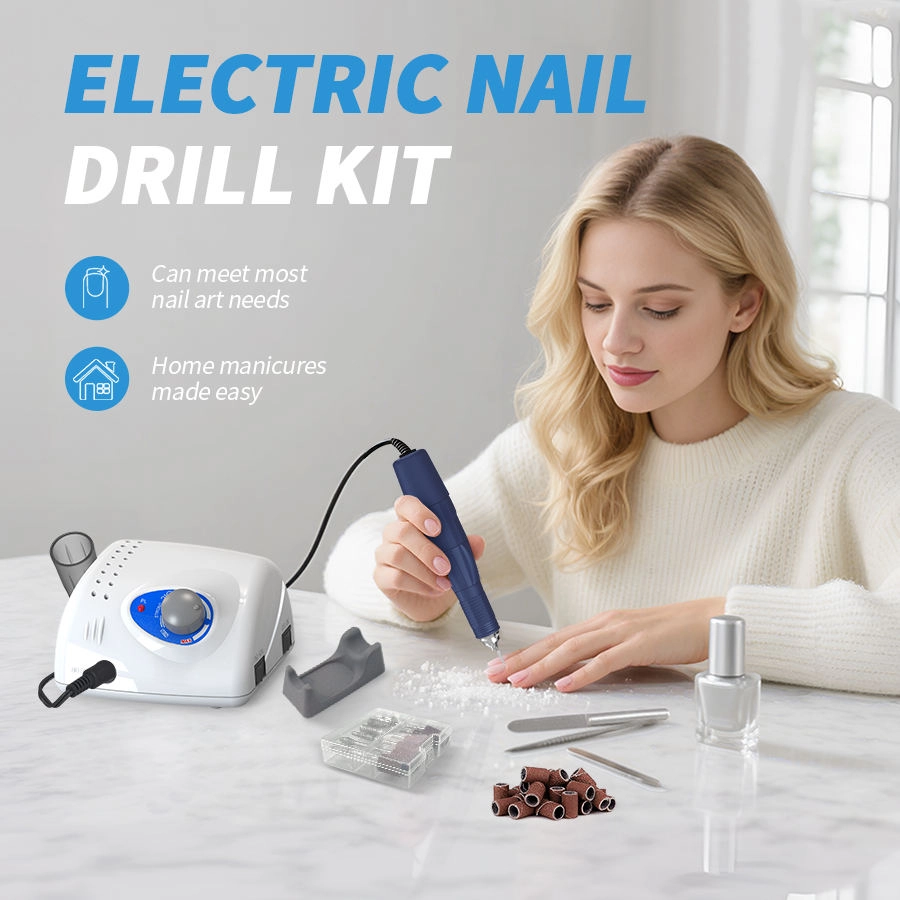
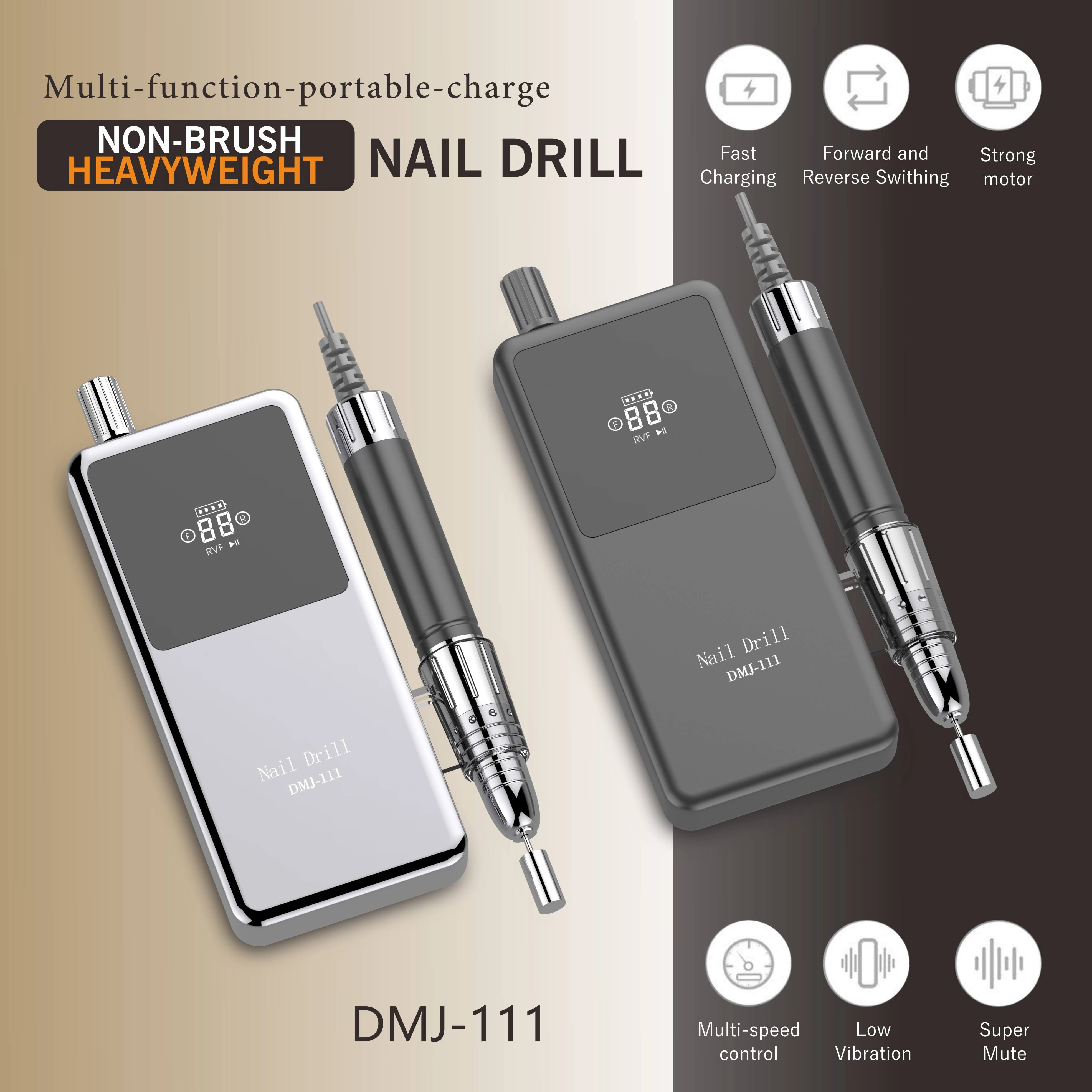
The DMJ-111 cordless rechargeable nail drill from LOVE CRAZY delivers salon-grade precision and performance in an ultra-slim, premium stainless steel body. As a leading Foshan-based beauty equipment manufacturer with 14+ years of industry experience, we designed this model for both fixed salon use and on-the-go mobile services, with stable 35000 RPM high-speed performance, long-lasting battery life, and durable build. We also provide full OEM/ODM solutions for global B2B beauty brands, salon chains, distributors, and wholesalers.
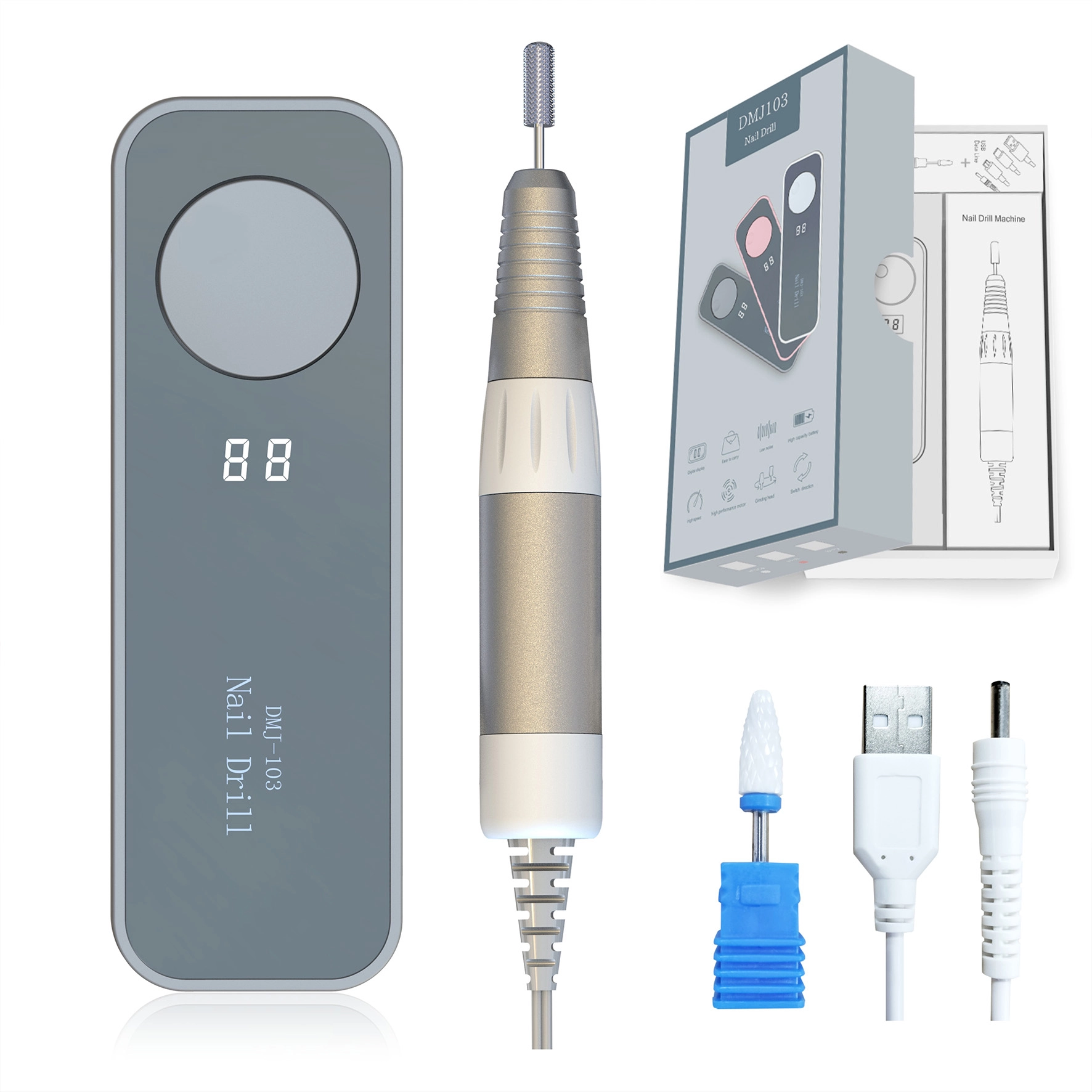
Equipped with a high-performance motor delivering up to 35000 RPM adjustable speed, this nail drill provides consistent, smooth power for all professional nail services — including gel polish removal, nail shaping, cuticle care, and acrylic nail work. The clear digital display ensures precise speed control, allowing nail technicians to deliver uniform, high-quality results for every client even during busy salon hours.
As a premier wax heater manufacturer, LOVE CRAZY delivers top-tier OEM salon beauty equipment and custom manufacturing solutions for global B2B partners.
Contact us at
E-mail: lovecrazyStella@aliyun.com
WhatsApp: +86 189 2777 9907
Tel: +86 0757-85626657/85626627
Address: 4F, Building B, No.18, Yiheng Road, Xiahengtian Industrial Zone,Lishui Town, Nanhai District, Foshan, Guangdong, China
 Scan QR Code
Facebook
Instagram
Instagram
Instagram