








how to choose a wax heater machine for bulk purchasing? | Insights by LOVE CRAZY
When procuring commercial wax heaters in volume, procurement managers and salon-equipment buyers need actionable, technically specific guidance. Below are six long-tail, buyer-focused questions that are often poorly answered online—each followed by an in-depth, practical answer you can apply immediately when vetting wax heater manufacturers, requesting quotes, or writing purchase specifications.
1. How can I verify temperature accuracy and uniformity in wax heater machines before approving a bulk order?
Pain point: Buyers receive machines that say “digital thermostat” but run hot/unevenly, causing product waste and salon complaints. What to check and how to test:
- Specification to demand: request manufacturer specs for set-point accuracy (target ±2°C or better) and steady-state stability (variation ≤±2–3°C over 30 minutes at working temperature). Ask them to state how they measure this and to include third‑party test reports when available.
- Thermal uniformity test: require a thermal mapping report. For each model, the manufacturer should run thermal probes at a minimum of 6–8 fixed locations in the wax bath until steady-state and provide a temperature map showing max/min spread. Acceptable commercial tolerance is typically within a 5°C range for salon heaters; tighter for precision paraffin treatments.
- Calibration and digital controls: for digital thermostats, request documentation of calibration procedure and the thermostat’s resolution (e.g., 0.1°C or 1°C). Prefer models with PID controllers or well-tuned thermostats rather than on/off hysteresis controllers for better stability.
- Heating time and recovery: require time-to-temperature metrics—how long to reach working temp from ambient and recovery time after repeated lid openings. Manufacturers should supply time-to-temp curves under specified ambient conditions.
- Factory acceptance test (FAT): include a clause in the purchase contract requiring FAT records (timestamped photos/data-logs) for the first production run and for any pre-shipment sample runs. If possible, ask for an independent lab verification by a recognized lab (e.g., Intertek, SGS, TÜV).
Actionable sample checklist to include in RFQ: target set-point accuracy ±2°C, thermal mapping report, PID/digital thermostat details, time-to-temp ≤ specified value, FAT or third‑party verification.
2. Which safety certifications and electrical standards must I require for commercial wax warmers destined for EU, US, and Australian markets?
Pain point: Importers are stuck with non-compliant batches that fail customs or require expensive rework. Be explicit in your requirements:
- EU: require CE marking and RoHS compliance. CE is a declaration that the product meets relevant EU directives (electrical safety/EMC where applicable). Request a Declaration of Conformity and supporting test reports.
- US/Canada: request UL or ETL certification (for the US) and cUL/cETL for Canada where applicable. These indicate compliance with relevant safety standards for electrical appliances in North America.
- Australia/New Zealand: request SAA or RCM (Regulatory Compliance Mark) depending on the importer’s preference and local requirements.
- China: if manufacturing in China, request CCC only if you plan to sell in China; otherwise, ensure factory provides CB scheme test reports or ETL/UL test reports that are recognized internationally.
- Third‑party testing labs: ask for full test reports from accredited labs (Intertek, TÜV Rheinland, SGS, UL). Lab reports should include electrical safety tests (leakage current, ground continuity), temperature rise tests, and overheat protection verification.
- Labeling and user manuals: ensure CE/UL markings appear correctly on product labels and packaging and that user manuals include safety warnings, electrical ratings, and local language translations required for each target market.
Contract clause recommendation: “Seller must provide valid certificates and full test reports for CE/RoHS (EU), UL/ETL (US), and RCM/SAA (Australia) as applicable before shipment. Non-compliant shipments are subject to rejection at Seller cost.”
3. How do I assess lifetime cost per unit (energy, spare parts, warranty, returns) when comparing bulk quotes?
Pain point: Low unit price looks attractive, but hidden lifecycle costs—high energy use, consumable replacements, and warranty returns—raise TCO (total cost of ownership).
- Energy consumption: request wattage and real measured energy draw at operating temperature. Ask suppliers for representative kWh/month estimates under a defined usage profile (e.g., eight hours/day, five days/week). This helps compare energy efficiency between models and is important when buying hundreds of units.
- Spare parts and consumables: ask for a list of serviceable parts (heating elements, thermostats, lids, thermostatic fuses) with unit prices and lead times. Prefer manufacturers who commit to stocking spares for at least 2–3 years.
- Warranty and RMA terms: negotiate clear warranty coverage (duration, scope—parts/labor/shipping). A common commercial baseline is 12 months, but for bulk commercial purchases request an extended warranty or a discounted spare-part package. Define acceptable return rates and remedies (repair, replace, credit) in the contract.
- Failure modes & MTBF: ask for known failure modes and mean time between failures (MTBF) or historical field failure rates if available. Reliable manufacturers will be transparent about typical failure rates and corrective actions.
- Service network: confirm availability of local service partners or an efficient RMA process from the factory. Faster turnaround reduces downtime costs for salon operators.
- Calculate TCO: build a simple spreadsheet comparing unit price + expected energy cost (kWh × local electricity rate × expected years of service) + expected spare-part spend + allocated repair costs based on projected failure rate. Use this to compare offers on a like‑for‑like basis.
4. What quality-control practices and batch testing should I require so delivered batches are consistent across production runs?
Pain point: Batches vary widely—different finish, loose fasteners, inconsistent label printing—creating brand and warranty headaches.
- Ask for the manufacturer’s QC plan: ISO 9001 certification is a useful baseline but request the factory’s actual inspection checkpoints (IQC, IPQC, FQC) and defect rate metrics. Look for documented in-line inspections and final functional testing.
- Pre‑production approval (PPA) and pre-shipment inspection (PSI): require a PPA sample sign-off for tooling/mold changes and mandate PSI by a third‑party inspector (SGS, Bureau Veritas) for every production run. PSI should include visual, functional, and electrical safety checks and sample thermal mapping.
- Acceptance criteria & AQL: define AQL levels (manufacturing defect levels) for cosmetic, functional, and safety defects. Commercial practice often uses AQL 2.5 for major defects—specify this in the contract.
- Batch traceability: require serial numbers or batch codes and a production traceability sheet linking parts to vendors. This enables root cause analysis if failures occur in the field.
- Run-to-run consistency: include a clause for color/finish tolerances, label positioning, and packaging checks—ask for PIQ (production inspection) photos and measurements for each shipment.
5. What realistic MOQs, lead times, and phased-delivery strategies should I negotiate to avoid stockouts and reduce inventory risk?
Pain point: Large MOQ forces overstock; low MOQ inflates unit cost. Buyers need a balanced delivery strategy.
- Typical MOQs and negotiation: MOQs vary by factory and complexity. Many manufacturers accept MOQs from 100–500 units for relatively simple wax heater models, but you can often negotiate lower MOQs for catalog models or agree to phased payments to reduce risk. If custom branding or tooling is involved, MOQs will be higher.
- Lead times: request clear timelines for tooling (if applicable), sample approval, and mass production. For off-the-shelf commercial wax heaters, factory lead time often ranges from 4–12 weeks depending on seasonality and capacity. Always plan for longer lead times during peak seasons and component shortages.
- Phased deliveries and rolling orders: include phased-delivery terms—e.g., initial order 30% sample/first batch, remaining in 2–3 shipments spaced to allow reordering after field feedback. This reduces capital lock-up and lets you validate the product in-market before full deployment.
- Safety stock and reorder points: calculate safety stock based on lead time variability and expected consumption. Work with the manufacturer to reserve capacity slots or arrange scheduled replenishment (consignment stock or contract manufacturing schedules) if predictability is important.
- Penalties and remedies: include contract terms for late deliveries and remedies for unacceptable delays (discounts, expedited shipping at manufacturer expense, partial replacements).
6. How should I request and evaluate pre-production samples, factory audits, and technical documentation (BOM, wiring diagrams) before placing a bulk order?
Pain point: Buyers accept a physical sample that looks fine but lacks the documentation to support production consistency or regulatory approval.
- Sample policy: request a fully functional production-intent sample (not a hand-made prototype) with finished tooling, packaging, and user manual. This sample should be run from a standard production line and include serial/batch codes.
- Technical documentation: require a complete BOM, assembly drawings, wiring diagrams, and firmware version (if digital controls). This documentation is crucial for spare-part sourcing, regulatory submissions, and troubleshooting.
- Factory audit: perform (or hire a third party for) a factory audit covering production capacity, QC processes, electrical safety test setup, and supply‑chain transparency. The audit should confirm whether the factory can maintain consistent part sourcing and perform thermal/electrical testing on-site.
- Sample testing you should run: independent lab safety/EMC tests if you’re importing to regulated markets; thermal mapping checks; an 8–24 hour burn-in to detect early failures; drop and vibration tests for packaged units to verify transport resilience.
- IP and branding: if you require OEM/ODM branding or custom packaging, get artwork proofs and pre-production packaging samples. Approve packaging for shipping resilience and retail presentation before mass production.
Document everything in a technical appendix to your purchase order (specs, test limits, QC checklists, allowed vendors for critical components). This reduces ambiguity and gives you contractual leverage if delivered units don’t meet expectations.
Concluding summary — advantages of buying wax heaters in bulk from a qualified manufacturer
Purchasing wax heater machines in bulk from a vetted manufacturer delivers lower unit costs, consistent product quality, custom branding and packaging, prioritized production slots, and streamlined after‑sales support. When you require explicit technical specifications (temperature accuracy, thermal mapping, PID control), verified certifications (CE/UL/ETL), robust QC (AQL, FAT, PSI), and clear TCO calculations (energy, spares, warranty), bulk procurement becomes a tool to build salon reliability and protect brand reputation. Combining phased deliveries and documented factory audits further reduces inventory risk while enabling scale.
For tailored specifications, sample requests, or a competitive quote for commercial wax heaters—including OEM/ODM options and spare-part agreements—please contact us for a quote at www.lovecrazyhome.com or david@lovecrazyhome.com.
FAQ
AX-200
Do you offer samples?
Yes, paid samples or refundable samples are available.
F3
What’s the MOQ for F3, and can we mix colors?
MOQ is 100 units total; color mixing is allowed with no less than 30 units per color.
Logistics & Payment
Which countries/regions do you ship to?
Products
How long does it take to heat the wax? Is the temperature stable and controllable?
It typically takes 15-25 minutes to reach the optimal working temperature. Once heated, it automatically maintains a constant, safe range, preventing skin burns from overheating or reduced effectiveness from underheating. You can use it with confidence.
After-Sales Support
Do you provide freight forwarding support?
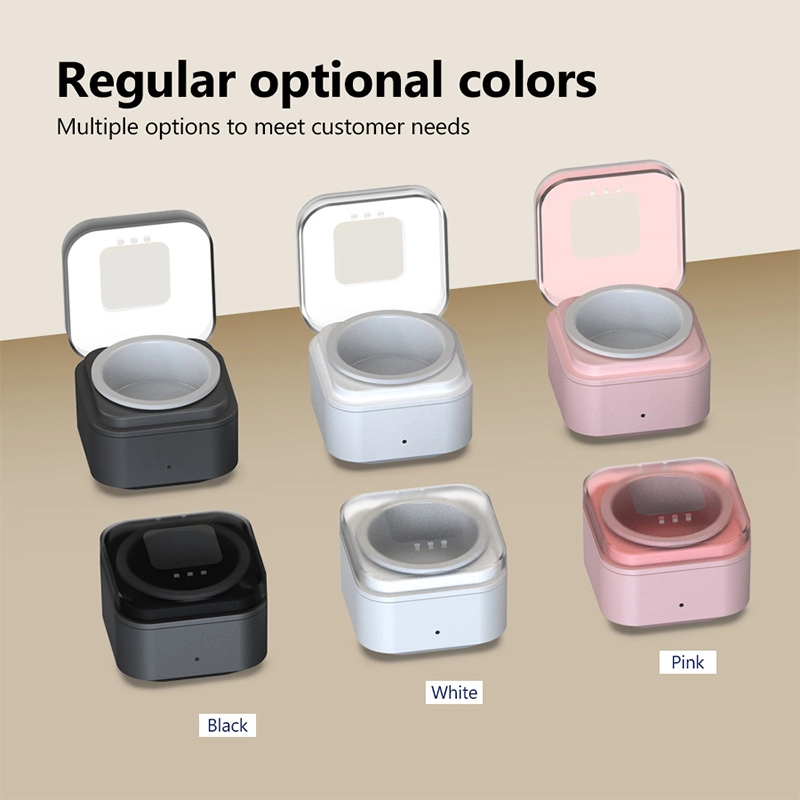
Our AX-002 mini wax warmer combines compact portability with salon-grade performance, delivering salon-worthy hair removal results with zero fuss.
Its fast wax-melting system, precision temperature regulation, and hygienic single-use design guarantee smooth, long-lasting hair-free skin for targeted areas each use. Whether you’re a novice DIY user or a seasoned esthetician, it’s a hassle-free, dependable solution to upgrade your targeted hair removal process.
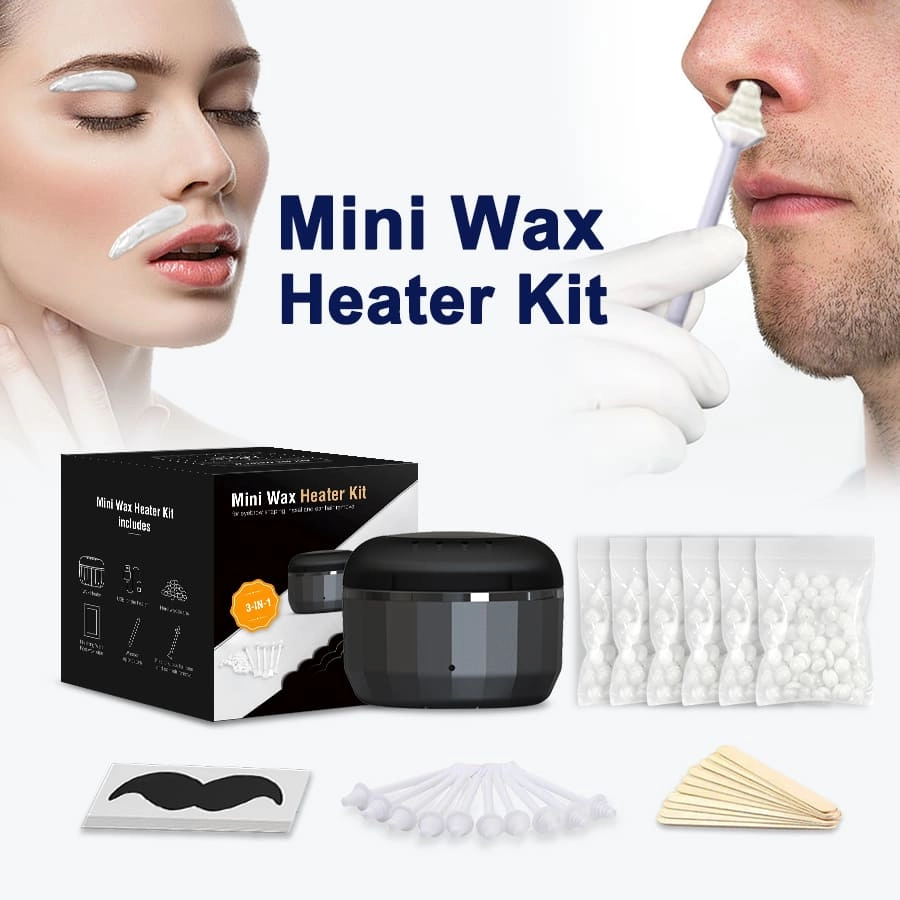
Our AX-001 10ml Mini Wax Warmer Kit combines sleek, compact design with professional-grade waxing performance, delivering flawless precise hair removal for small, delicate areas. This all-in-one complete waxing set features a rapid heat-up system, steady temperature control, and a full range of premium waxing accessories, making it the perfect dependable solution for at-home beginners and professional estheticians alike. Achieve salon-worthy, long-lasting silky smooth skin with zero hassle, every single time.
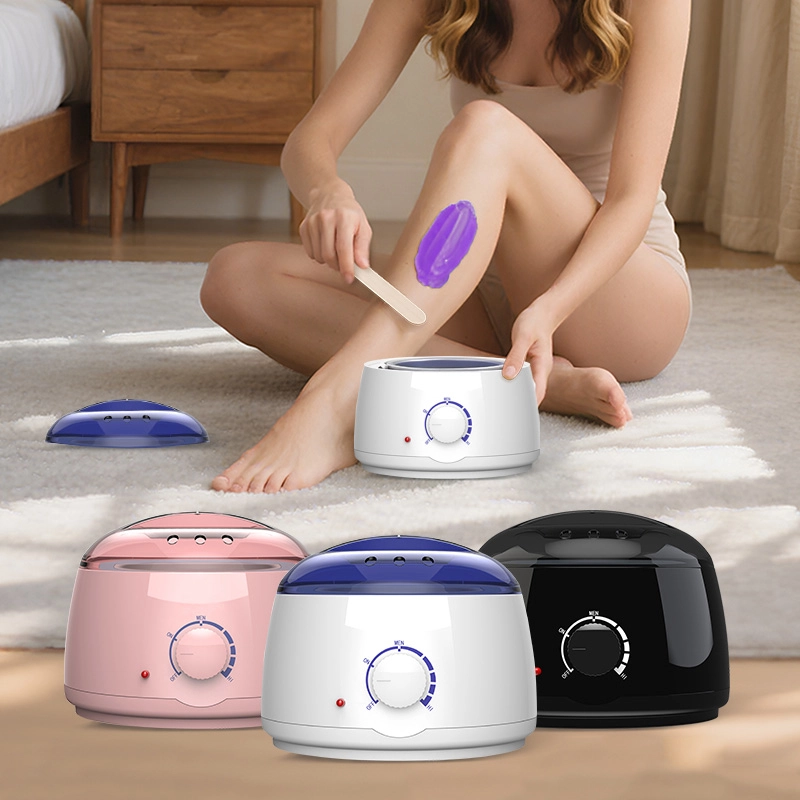
Our waxing heater combines stylish design with professional performance, making salon-quality results effortless.
Its rapid heating technology, consistent temperature control, and skin-friendly formula ensure smooth, long-lasting hair removal every time. Whether you're a beginner or an experienced waxer, it's a quick and reliable way to transform your hair removal routine.
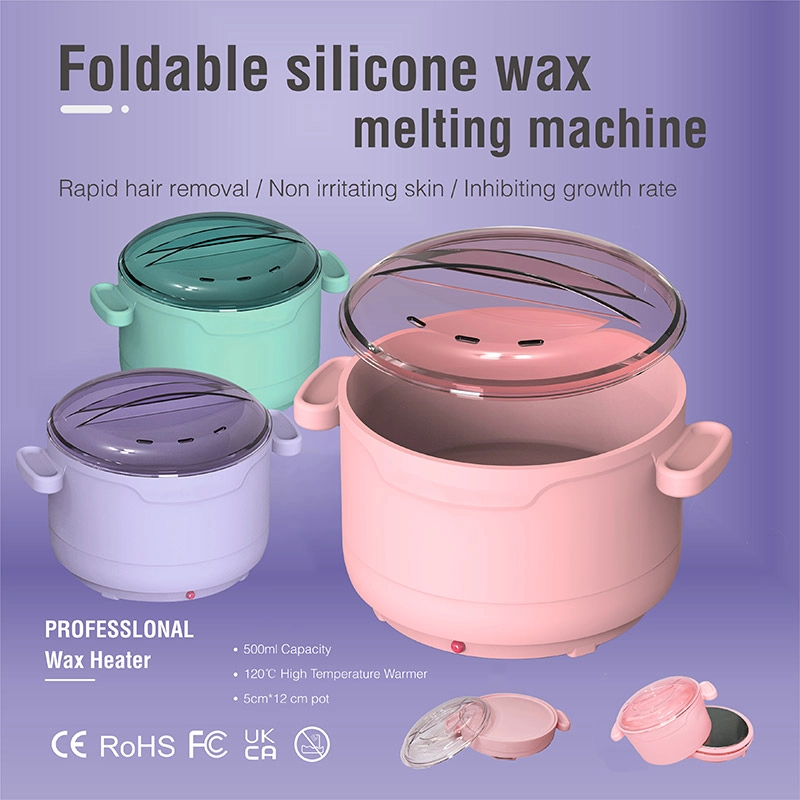
Our LOVECRAZY AX-110 550ml silicone wax heater blends safe, durable silicone material with reliable performance, making salon-quality multi-area hair removal effortless.
Its 30W fast heating, multi-wax compatibility (hard beads/blocks), 100-220V global voltage, and pink design suit salons, home users, and cross-border wholesale for face/eyebrows/body use.
As a premier wax heater manufacturer, LOVE CRAZY delivers top-tier OEM salon beauty equipment and custom manufacturing solutions for global B2B partners.
Contact us at
E-mail: david@lovecrazyhome.com
WhatsApp: +86 189 2777 9907
Tel: +86 0757-85626657/85626627
Address: 4F, Building B, No.18, Yiheng Road, Xiahengtian Industrial Zone,Lishui Town, Nanhai District, Foshan, Guangdong, China
 Scan QR Code
Facebook
Instagram
Instagram
Instagram