









How to choose a wax heater for wholesale purchase? | Insights by LOVE CRAZY
Buying wax heaters in volume requires more technical, logistical and commercial checks than a retail purchase. Below are six detailed, long-tail buyer questions beginners frequently ask — with step-by-step guidance you can use when vetting wax heater manufacturers and negotiating wholesale terms.
1. What exact safety certifications and third‑party test reports should I require from a wax heater manufacturer before ordering 100+ units?
Ask for verifiable third‑party documentation, not just self‑claims. For household and salon electric appliances, request test reports and certificates from recognized test labs (Intertek, SGS, TUV, UL) showing compliance with the relevant regional standards. Typical checks include:
- CE Declaration of Conformity or an EU test report showing compliance with applicable EU safety directives (for EU markets).
- UL/ETL test reports for the US market or a CB scheme report for broader international acceptance.
- Electromagnetic compatibility (EMC) test results where applicable (to avoid interference in salon environments).
- RoHS compliance or material declarations for restricted substances (lead, cadmium, phthalates) on plastic parts and electronics.
- Thermal safety verification: thermal cut‑off/thermal fuse test results, insulation class confirmation (double insulation/Class II), and IP rating if water resistance is advertised.
Action steps: request scanned copies of the latest test reports that match your model numbers and production year; confirm report numbers and lab contact details; if certifications are claimed but missing, insist on arranging an independent pre-shipment test for your first order. Certification and testing costs are a small but essential part of total landed cost when ordering in bulk.
2. How do I calculate the right pot capacity and wattage for a salon that serves 20–50 clients/day?
Capacity and wattage determine throughput and how often staff will reheat or refill. Use these practical rules:
- Estimate average wax used per client: soft wax for large areas ~40–80 g; hard wax for small areas ~10–30 g. Multiply by daily clients to get required daily melt volume.
- Choose pot capacity with a 20–30% buffer over daily usage to avoid mid-day refills. Example: 30 clients × 50 g = 1.5 kg/day → choose a 2 kg (≈2 L) pot for comfortable buffer.
- Match wattage to capacity: common professional wax heaters range 200–2,000 W. For 0.5–1 L units, 200–500 W gives steady melt; for 1–3 L salon units, 500–1,200 W is typical; larger multi‑pot or 5+ L commercial melters often use 1,200–2,000 W for rapid recovery.
- Consider recovery time: higher wattage reduces time to recover temperature between clients. If you need fast turnaround in a busy salon, prioritize models with higher wattage and good thermostat control (PID controllers provide more stable recovery than simple bimetal thermostats).
Practical tip: If you plan to use multiple wax types (hard + soft), dual‑pot heaters (two separate 0.5–1.0 L pots) can be more efficient than one large tank because they avoid cross‑contamination and reduce heating unnecessary volume.
3. Which temperature control accuracy and heating element types prevent hot spots and preserve wax quality in bulk wax melters?
Precision heating preserves wax properties and prevents scorching. Key specs to request:
- Temperature range and accuracy: look for units with 40–120°C range and control accuracy of ±1–2°C. Wax melts typically between 45–85°C, so stability matters.
- Controller type: PID controllers (digital) provide tighter control and faster recovery than on/off mechanical thermostats. They reduce temperature overshoot and extend heater life.
- Heating element: silicone band heaters are common for even surface contact; Positive Temperature Coefficient (PTC) heating elements are valued for self‑regulating safety. Ask which type the manufacturer uses and for thermal maps if available.
- Inner pot construction: removable stainless steel pots (304 grade) with a smooth finish and optional non‑stick coating reduce hotspots and simplify cleaning. Avoid thin metal pots that warp under repeated heating.
Ask the supplier for thermographic test data or a uniformity report showing how temperature distributes across the pot during continuous operation. This data differentiates a truly professional wax melter from cheaper units that create local overheating and degrade the wax.
4. What packaging, labeling, and MOQ negotiation points reduce landed cost when importing pallet quantities of wax heaters?
To optimize landed cost, focus on unit cost, freight efficiency and import handling:
- MOQ expectations: standard model MOQs often range 50–200 units; custom‑branded OEM runs commonly require 200–1,000 units depending on mold/printing setup. Confirm if the manufacturer holds standard stock models with low MOQ for testing before committing to a large OEM run.
- Packing density: ask for carton dimensions and units per carton; higher units per carton reduce per‑unit freight. Request pallet configuration (units per pallet, pallet height) to estimate container utilization (CBM).
- Labeling and compliance: ensure packaging includes required CE/UL marks, multilingual user manual, and any WEEE or recycling marks for EU shipments. Proper labeling avoids customs holds and fines.
- Cost drivers to negotiate: branded inserts, custom color shells, and molded trays increase per-unit cost. If possible, postpone cosmetic customizations until after an initial test order to reduce upfront tooling charges.
- Shipping terms: compare FOB vs. CIF quotes, consolidate with other orders to fill a container, and request consolidated testing and packaging inspections (third‑party QC like C‑Scan or SGS pre‑shipment inspections) to avoid returns.
Ask manufacturers to run landed‑cost scenarios (unit price + packaging + testing + freight + duties) for 100, 500 and 1,000 unit quantities so you can compare true cost-per-unit at different MOQs.
5. How can I reliably evaluate OEM/ODM capabilities and realistic lead times for custom dual‑pot or branded wax heaters?
To validate a supplier’s OEM/ODM capability, check these points and request evidence:
- Factory tour or video: request a recent factory video showing assembly line, injection molds, and final QC stations. Look for ISO 9001 or similar quality management evidence.
- Engineering and tooling capacity: ask for lead times for prototype (2–4 weeks typical), sample approval (1–2 weeks after prototype), and mass production (30–60 days typical) for electronic appliances. Custom molds or printed housings can add 2–6 weeks to lead time.
- Proof of existing OEM projects: request references or product photos of previously produced custom models and ask to inspect sample units.
- Minimum order quantities and batch flexibility: clarify whether small follow‑up orders (reorders) can be produced with short lead time and whether the supplier holds critical components (PCBs, heating elements) in stock to avoid long delays.
Red flags: vague answers on tooling status, no willingness to provide sample prototypes, or long unexplained lead times. For time‑sensitive launches, pick suppliers that offer local warehousing or drop‑ship programs and that can attach serialized QA labels for traceability.
6. What warranty, spare parts strategy and after‑sales service terms should I demand to minimize downtime for bulk wax heater purchases?
After‑sales support is crucial for B2B buyers. Negotiate terms that limit your operational risk:
- Warranty: standard commercial warranty at least 12 months on electronics and heating elements; consider extended warranty options for an added fee. Get warranty terms in writing (what is covered/excluded).
- Spare parts availability: require a commitment to supply spare parts (PCB, thermostat, heating element, removable pots) for a minimum period (2–3 years) after last shipment. Request parts pricing and lead times.
- Service response: define RMA procedures, typical repair turnaround times, and whether repairs are handled locally by authorized service partners or returned to factory.
- Technical documentation: demand spare‑part schematics, exploded views, and troubleshooting guides to enable in‑house minor repairs and reduce downtime.
- Stocking a small spare parts kit: for large salon chains, negotiate an initial spare parts kit (5–10% of order quantity for common wear items) at a discounted price to keep units operating between repairs.
Practical clause suggestions for purchase contracts: include defined service level agreements (SLA) for RMA turnaround (e.g., 10 business days), parts availability guarantees, and penalties for missed commitments on after‑sales obligations.
Concluding summary of advantages: Choosing a certified, experienced wax heater manufacturer with verifiable test reports, appropriate capacity and wattage options, precise temperature control (PID or PTC solutions), and clear OEM/MOQ terms reduces product risk and total landed cost. Negotiating packaging, spare‑parts availability and clear warranty/SLA terms minimizes downtime and protects margin on bulk wax heater purchases. Prioritize suppliers that provide sample validation, third‑party test reports (SGS/Intertek/TUV/UL), and open communication on lead times and tooling.
Contact us for a tailored quote and supplier validation: www.lovecrazyhome.com — lovecrazyStella@aliyun.com
FAQ
AX-100C
Do AX100C have internationalcertifications for cross-border wholesale?
Both models are certified with CE, FDA, and RoHS—compliant with EU, US, and most global market regulatory standards, supporting your cross-border sales without compliance risks.
AX-700
Does AX-700 have a heat preservation function?
Yes, it can maintain a stable temperature after wax melting, ensuring a good hair removal experience.
AX-800
Will bulk-purchased AX-800 come with quality inspection reports?
Yes, each batch of AX-800 comes with a formal quality inspection report (including material safety and performance tests) for customs clearance and compliance.
F10
Does F10 have safety protection features?
Yes, it is equipped with overheat protection and a heat-insulating ABS shell, which can prevent scalding and avoid potential hazards caused by overheating.
F3
How to clean the F3 after use?
After the device cools down, you can either wipe the non-stick inner pot with a damp cloth or peel off the solidified wax. The detachable parts can be cleaned separately for more thorough hygiene.
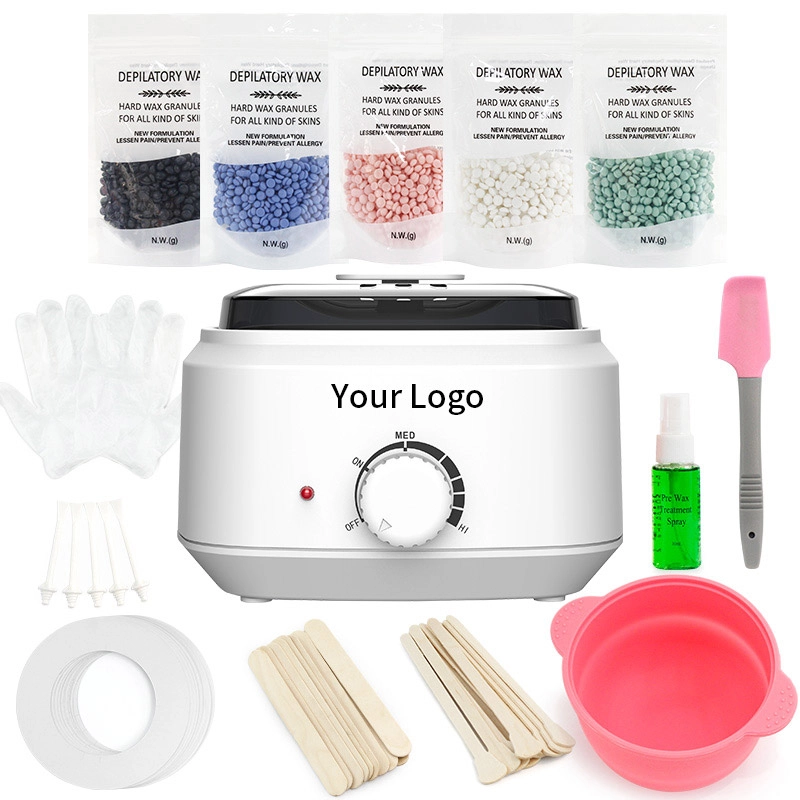
AX-200 500ml PP wax heater blends durable, high-quality material with salon-grade performance, making full-body multi-area hair removal seamless.
Its 100W fast heating, hard wax compatibility (beads/blocks), 100-220V global voltage, and multi-color options suit salons, home users, and cross-border wholesale for face/eyebrows/body use.
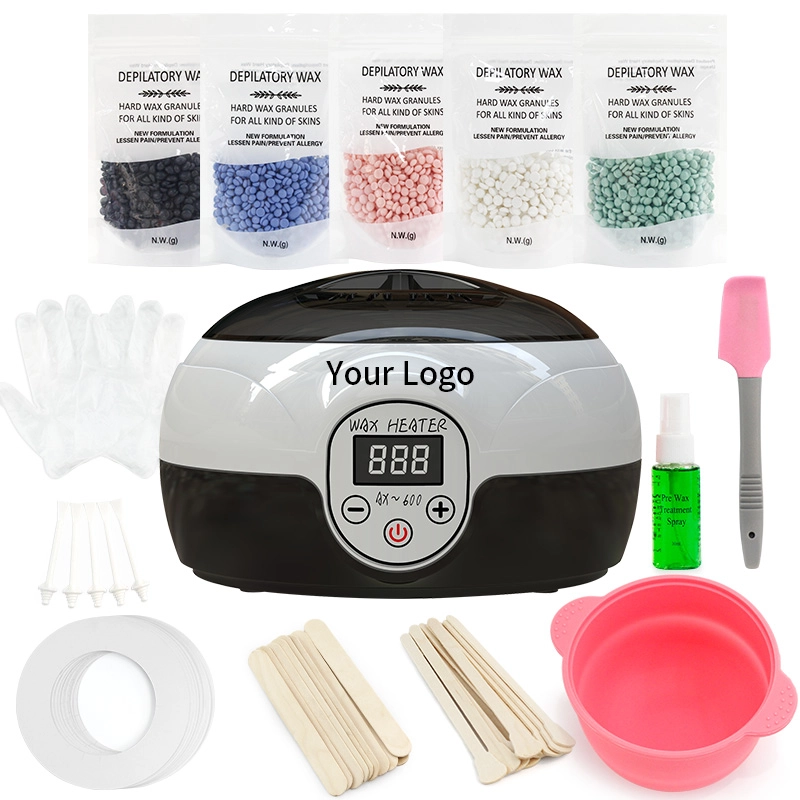
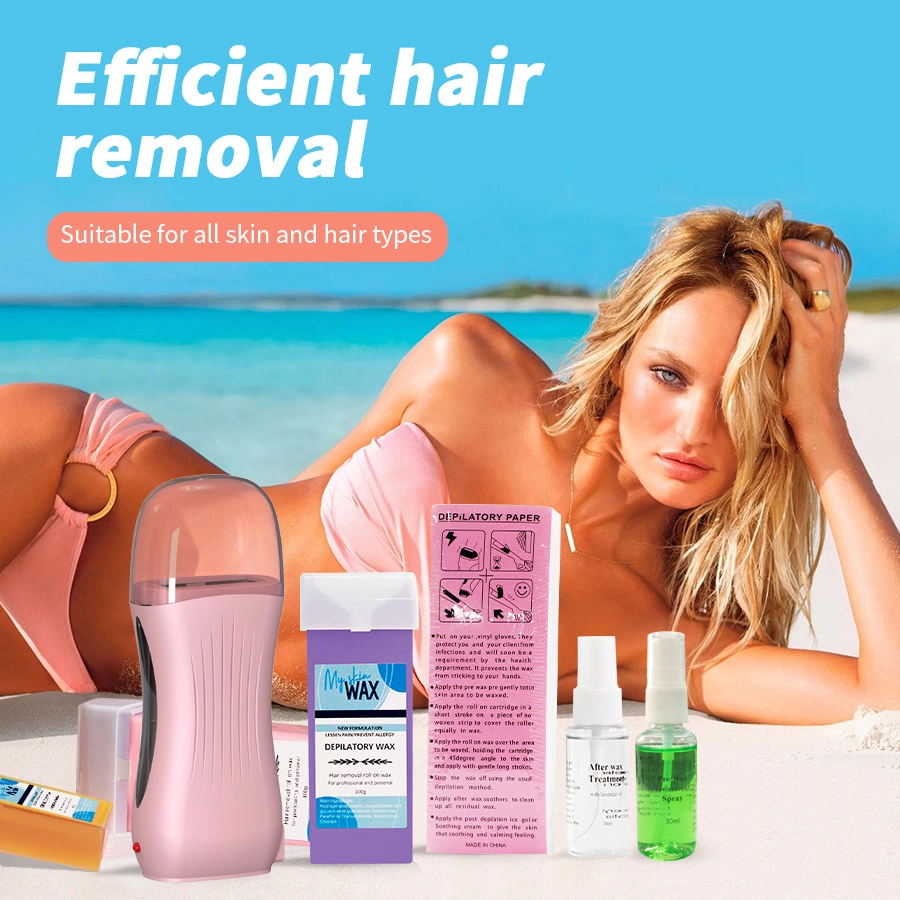
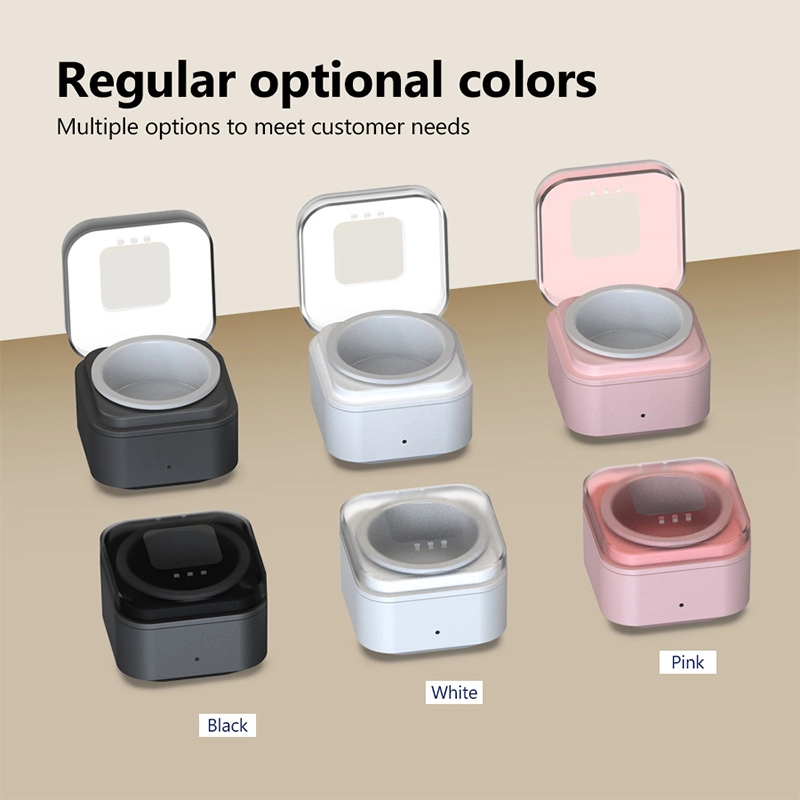
Our AX-002 mini wax warmer combines compact portability with salon-grade performance, delivering salon-worthy hair removal results with zero fuss.
Its fast wax-melting system, precision temperature regulation, and hygienic single-use design guarantee smooth, long-lasting hair-free skin for targeted areas each use. Whether you’re a novice DIY user or a seasoned esthetician, it’s a hassle-free, dependable solution to upgrade your targeted hair removal process.
As a premier wax heater manufacturer, LOVE CRAZY delivers top-tier OEM salon beauty equipment and custom manufacturing solutions for global B2B partners.
Contact us at
E-mail: lovecrazyStella@aliyun.com
WhatsApp: +86 189 2777 9907
Tel: +86 0757-85626657/85626627
Address: 4F, Building B, No.18, Yiheng Road, Xiahengtian Industrial Zone,Lishui Town, Nanhai District, Foshan, Guangdong, China
 Scan QR Code
Facebook
Instagram
Instagram
Instagram