









How much does a commercial wax heater cost? | Insights by LOVE CRAZY
Buying a commercial wax heater requires more than looking at a sticker price. This guide answers six specific buyer pain-point questions about commercial wax melter cost, lifecycle expenses, certifications, OEM pricing effects, hidden import fees and energy tradeoffs. Embedded are market-driven price ranges, energy examples and procurement tips to help salon owners and purchasing professionals make an informed purchase from wax heater manufacturers.
1) How much does a commercial wax heater cost for a small salon (1–2 stations), including shipping and basic certifications?
Typical market pricing (2024) for entry-level professional salon units designed for 1–2 stations:
- Countertop single-pot professional warmers (1–2 L capacity): $80–$200 each.
- Dual-pot salon warmers (2 x 1–2 L): $120–$350 each.
- Compact 4–8 L countertop melters (for light retail bulk use): $150–$400 each.
These ranges represent FOB factory unit prices for commonly produced models. Adding shipping, basic CE/ETL/UL documentation and small-batch testing typically adds $15–$80 per unit depending on method and destination. Example: a $150 dual-pot warmer shipped standard small-parcel to a U.S. salon with CE/ETL paperwork can land near $180–$240 total.
Key cost drivers for small-salon purchases:
- Certifications: CE/ETL/UL documented models can cost ~10–25% more than uncertified imports but reduce inspection friction and liability risk.
- Packaging and manual language localization raise per-unit cost slightly ($2–$10).
- Volume: buying multiples or a salon starter pack often reduces per-unit price by 5–20%.
2) What is the total lifecycle cost (purchase + energy + maintenance + consumables) of a 10L commercial wax melter per year?
Lifecycle cost depends on usage. Below is a conservative example calculation for a 10L stainless-steel melter with a 1200–1500 W heater, used daily in a busy salon environment.
Assumptions:
- Purchase price (mid-range, CE-certified): $450 (one-time).
- Electricity: heater runs 6 hours/day on average; rated 1.5 kW. Example electricity cost assumed $0.15/kWh for calculation—adjust to local rates.
- Maintenance & spare parts: $60/year (heating element replacement, seals, thermostat recalibration).
- Consumables (wax refill): depends on services; excluded from heater lifecycle—only energy/maintenance relevant here.
Energy cost calculation (example): 1.5 kW × 6 h/day × 300 working days = 2,700 kWh/year. At $0.15/kWh = $405/year.
Estimated first-year total cost = Purchase $450 + Energy $405 + Maintenance $60 = $915. Subsequent years ~ $465/year (energy + maintenance) assuming no major failures. If your local electricity rate or daily run-hours differ, scale energy costs accordingly.
Practical takeaway: energy usually makes up 40–70% of annual operating cost for continuous-use melters. Investing in better insulation, precise digital thermostats and lower wattage designs with faster recovery can reduce that share.
3) How much extra will I pay for a stainless-steel industrial wax melter with a digital thermostat versus a basic aluminum heater?
Material and control upgrades are common reasons prices rise. Typical High Quality components and their approximate price impacts (per unit):
- Stainless-steel vessel (food-grade 304) vs painted/aluminum body: +15–45% depending on thickness and finish. For a 10–20 L unit this may be +$80–$300.
- Digital thermostat with PID temperature control and touchscreen: +$40–$180 compared with a mechanical thermostat. PID controls improve temperature stability within ±1–2°C, reducing wax burn and product waste.
- High-quality heating element and brazing (for industrial longevity): +$30–$120.
Example: a basic 10L aluminum melter at $300 could become $520–$900 when upgraded to stainless steel, PID digital control, and a higher-spec element. For high-throughput salons or spas, that extra upfront cost often pays back via reduced wax waste, fewer service calls and longer service life.
4) How do MOQ, customization (logo, voltage, plug type) and OEM services affect the price from wax heater manufacturers?
Minimum order quantity (MOQ) and customization significantly affect per-unit pricing from manufacturers:
- Standard catalog items: many factories accept low MOQs (10–50 units) at slightly higher per-unit price.
- Custom colors, printed logos and private-label packaging: typically require MOQ 200–1,000 units or higher. Small custom runs (50–200) often include a one-time setup fee ($100–$1,000) plus higher per-unit cost (+10–30%).
- Electrical customization (voltage variants, certified plugs, localized manuals): small cost per unit ($2–$12) but may require extra testing for certification compliance, adding one-time testing costs ($300–$1,200) if the product is modified.
OEM tooling or design changes (shape, tank size) can involve tooling fees or engineering charges, from $500 for minor mold alterations to $5,000+ for new tooling for injection-molded parts. Large buyers that commit to higher volumes will see per-unit prices drop substantially once tooling is covered.
5) What hidden costs should I expect when importing commercial wax heaters from overseas manufacturers (duties, testing, packaging)?
Beyond FOB price, typical additional import-related costs include:
- International freight: small parcels $15–$60/unit; sea freight container per-unit cost falls with volume (e.g., $30–$150/unit depending on quantity and destination).
- Customs duties and VAT: rate varies by country and HS code; hobby salon equipment often attracts 0–10% duty plus local VAT/sales tax. Check your local tariff schedule.
- Third-party testing and certification validation: if you require UL/CSA/ETL/CE marks applied or verification testing after any tweak, budget $300–$2,000 for lab testing per model (one-time) plus retest fees if design changes.
- Insurance, inland transport and brokerage fees: $50–$200 per shipment depending on value and incoterms.
- Packaging upgrade (retail-ready boxes, multilingual manuals): $1–$8 per unit.
Combined, these hidden costs can add 10–35% to the FOB unit price for small orders and 5–15% for larger containerized shipments. Always calculate landed cost (all-in) rather than relying on factory quotes alone.
6) Is buying a higher-wattage commercial wax heater more cost-effective long-term despite a higher upfront price?
Higher-wattage heaters (e.g., 1.5–2.5 kW units) offer faster recovery times and can handle heavier throughput, but higher rated power increases potential energy draw. Cost-effectiveness depends on usage profile:
- High-throughput salons that run heaters continuously benefit from faster recovery because technicians spend less time waiting, increasing billable services per day.
- Low-usage environments (occasional waxing) often save more by choosing a smaller, better-insulated unit or a lower-wattage model with excellent thermal retention.
Energy-savings examples and considerations:
- Duty-cycle matters: a 2 kW unit cycling on/off to maintain set temperature will not consume 2 kW continuously. Effective consumption is average wattage × run-hours.
- Improved insulation and PID controls reduce on-time and can make a moderately higher-wattage unit more efficient in practice than a poorly controlled lower-wattage unit.
- Consider faster service turnaround value: if a higher-watt unit enables one extra client per day, that additional revenue often covers the higher upfront cost quickly.
Conclusion on wattage: balance throughput needs and energy costs. For most busy salons a mid-to-high wattage, well-controlled stainless melter provides the best ROI; for sporadic use, prioritize insulation and accurate thermostats over raw wattage.
Concluding summary: advantages of choosing certified, energy-efficient commercial wax heaters from reputable manufacturers
Choosing a quality commercial wax heater from an experienced manufacturer yields multiple advantages: improved client safety (certified CE/ETL/UL units), predictable total cost of ownership, reduced wax waste and service interruptions thanks to precise thermostats and durable materials (stainless steel, quality heating elements), and better ROI through faster recovery and lower maintenance. Working with established wax heater manufacturers also gives access to spare parts, warranty support (commonly 1–3 years) and OEM services for branding and localization.
If you’d like a tailored quote, product spec sheet, or sample pricing for specific capacities, certifications and OEM options, contact us at www.lovecrazyhome.com or lovecrazyStella@aliyun.com for a fast quotation and lead-time estimate.
FAQ
F0
What types of wax is F0 compatible with?
It is fully compatible with all hard wax beads, hard wax blocks, and wax strips, suitable for targeted hair removal scenarios.
AX-100C
Can beginners use AX100C easily?
Absolutely. It has simple operation and stable temperature control, so both novices (home users) and professionals (salon staff) can master it quickly.
AX-911
What is the MOQ for AX-911 bulk orders?
The MOQ is 100 unit.
AX-400
How to use AX-400’s digital temperature display?
It shows real-time temp clearly; adjust via knob for precise control, no professional skills needed.
AX-100
What’s the MOQ for LOVECRAZY AX-100 bulk orders?
The MOQ for AX-100 is 300 units; long-term partners can get flexible adjustments based on order volume.
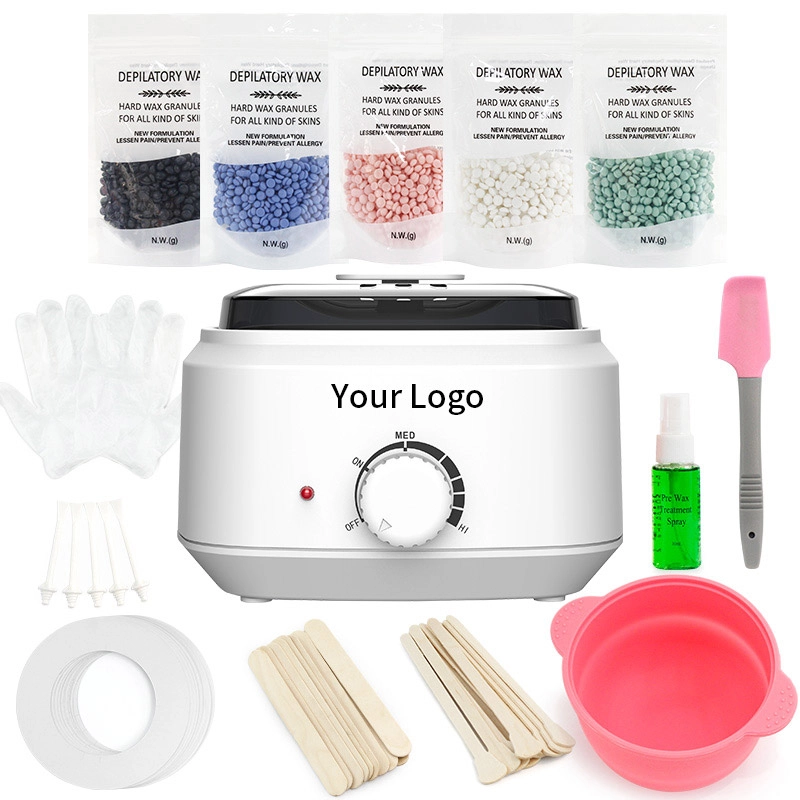
AX-200 500ml PP wax heater blends durable, high-quality material with salon-grade performance, making full-body multi-area hair removal seamless.
Its 100W fast heating, hard wax compatibility (beads/blocks), 100-220V global voltage, and multi-color options suit salons, home users, and cross-border wholesale for face/eyebrows/body use.
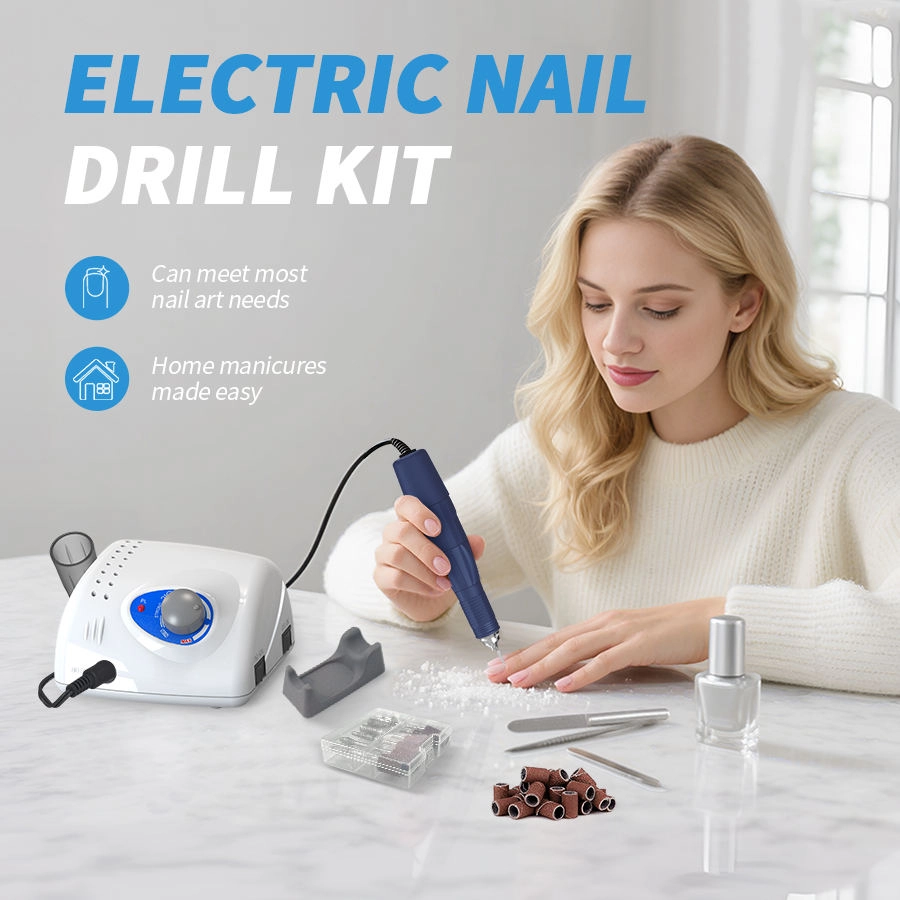
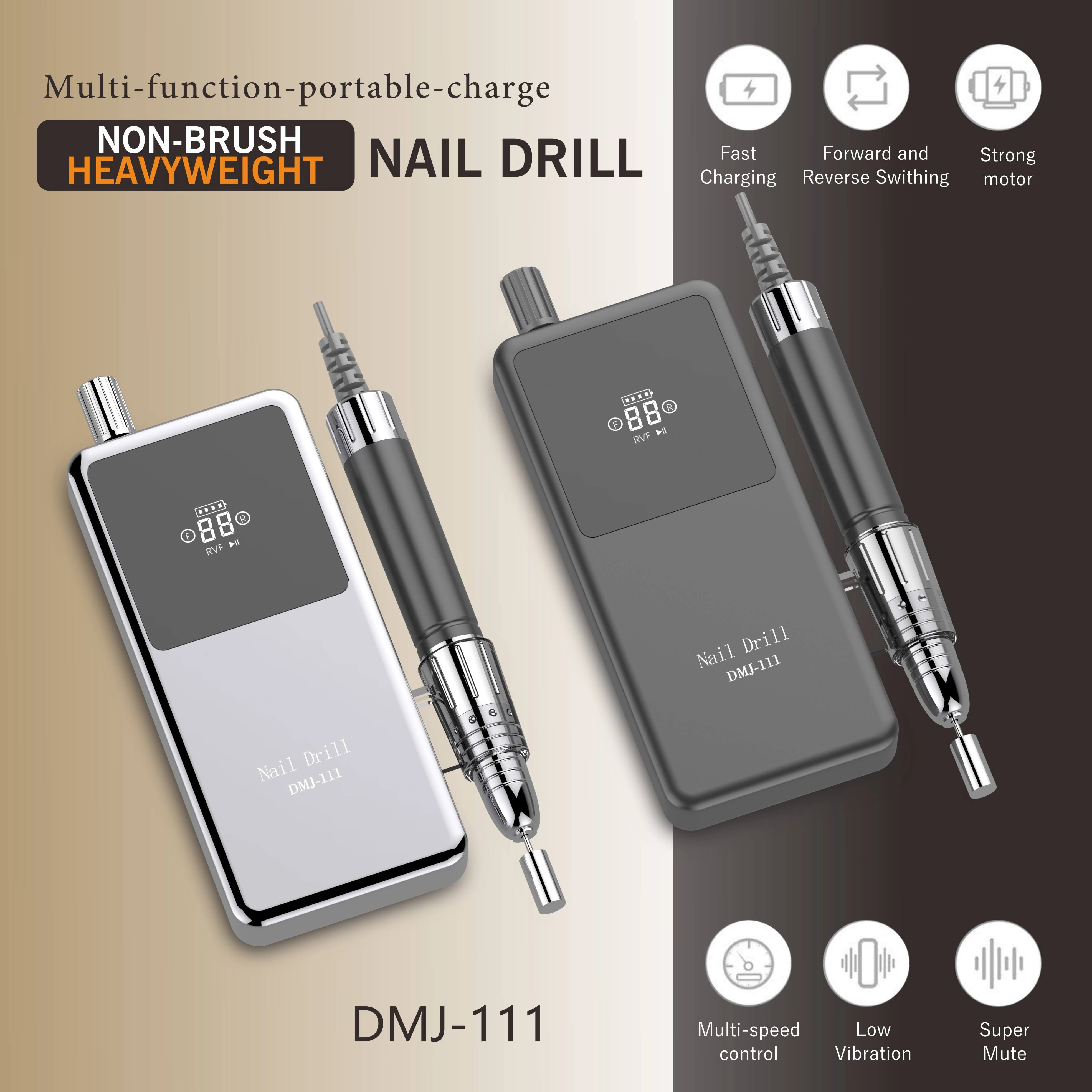
The DMJ-111 cordless rechargeable nail drill from LOVE CRAZY delivers salon-grade precision and performance in an ultra-slim, premium stainless steel body. As a leading Foshan-based beauty equipment manufacturer with 14+ years of industry experience, we designed this model for both fixed salon use and on-the-go mobile services, with stable 35000 RPM high-speed performance, long-lasting battery life, and durable build. We also provide full OEM/ODM solutions for global B2B beauty brands, salon chains, distributors, and wholesalers.
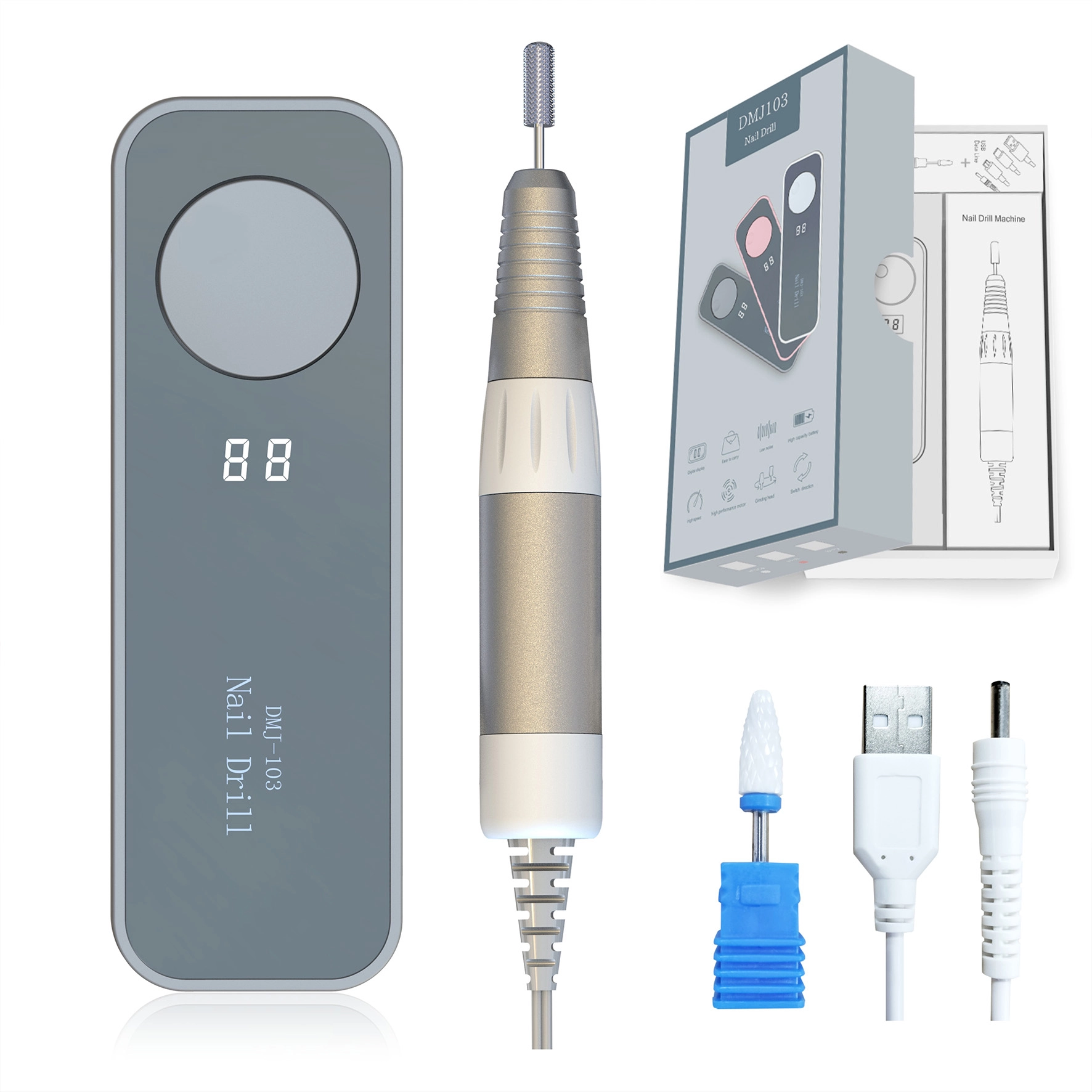
Equipped with a high-performance motor delivering up to 35000 RPM adjustable speed, this nail drill provides consistent, smooth power for all professional nail services — including gel polish removal, nail shaping, cuticle care, and acrylic nail work. The clear digital display ensures precise speed control, allowing nail technicians to deliver uniform, high-quality results for every client even during busy salon hours.
As a premier wax heater manufacturer, LOVE CRAZY delivers top-tier OEM salon beauty equipment and custom manufacturing solutions for global B2B partners.
Contact us at
E-mail: lovecrazyStella@aliyun.com
WhatsApp: +86 189 2777 9907
Tel: +86 0757-85626657/85626627
Address: 4F, Building B, No.18, Yiheng Road, Xiahengtian Industrial Zone,Lishui Town, Nanhai District, Foshan, Guangdong, China
 Scan QR Code
Facebook
Instagram
Instagram
Instagram