




can i customize my own private label waxing kit? what is the moq? | Insights by LOVE CRAZY
1) Can I fully customize wax formulations (sensitive, hard-bean, low-temp) in a private label waxing kit, and what are realistic MOQs and testing requirements for new formulas?
Manufacturers of private label waxing kits commonly support custom formulations, but the complexity and regulatory steps determine minimum order quantities (MOQ) and testing needs. Typical realities:
What customization means: you can alter wax base (rosin, resin-free synthetic, natural beeswax blends), melting point (low-, medium-, high-temp), additives (soothing oils, extracts, fragrances) and physical format (beads, blocks, strips). For professional/retail use many brands request INCI-compliant ingredient lists and stability data.
Realistic MOQs: for custom wax formulation produced by a contract cosmetics manufacturer, MOQs commonly range 500–5,000 units per SKU. Small-batch specialist labs sometimes accept 100–300 units but at a higher per-unit cost. If you only need a custom scent or color on an existing base formula, MOQs can be as low as 300–500.
Testing requirements: because waxes are cosmetic products in most markets, manufacturers typically conduct accelerated stability (e.g., 3 months @ 40–45°C + real-time shelf checks), melt-point verification, and basic HPLC/GC checks for fragrance components if requested. If water is present (rare in most depilatory waxes), preservative efficacy testing (PET) is required. Expect to budget an additional 2–6 weeks and $300–$2,000 for routine lab testing depending on test scope.
Documentation: manufacturers will supply a Certificate of Analysis (COA), Safety Data Sheet (SDS), and INCI ingredient declaration. For EU sales, the contract manufacturer often helps with a Product Information File (PIF) needed under Regulation (EC) No 1223/2009.
Bottom line: yes, you can customize formulations, but plan MOQs of 500+ for practical pricing and allocate time and budget for stability and safety testing.
2) If I want custom-branded electric wax heaters in the kit, what are the MOQ, tooling costs, and required safety certifications (UL/CE/RoHS)?
Custom-branded electric wax heaters are treated as small electrical appliances and have separate MOQ and compliance tracks from cosmetic wax.
MOQ & pricing: for a basic custom-labeled heater (existing housing with logo/label), many OEMs accept MOQs of 200–500 units. If you require a custom molded housing or bespoke controls, expect MOQs of 1,000+ and higher up-front tooling costs.
Tooling and setup costs: custom injection molds or significant design changes commonly require tooling investment. Typical tool costs range from $800 for minor tooling to $5,000+ for complex molds. Some factories amortize tooling across the first order (you'll see tooling fees on the proforma).
Certifications required: to sell electric wax heaters, manufacturers and importers must ensure electrical safety and EMC compliance for target markets. Common marks/tests include:
- CE marking for the EU (Low Voltage Directive, EMC directives) with technical file.
- EN safety standards for small appliances (e.g., EN 60335 family) and RoHS (restriction of hazardous substances).
- UL/ETL (electrical safety) tests for the U.S. market are widely recognized; FCC compliance for conducted/radiated emissions may be necessary depending on electronics.
Testing timeline & cost: safety testing and certification add 2–8 weeks depending on lab queue, and costs typically $1,000–$4,000 per SKU for basic electrical/EMC testing. If design changes are required after testing, expect re-testing fees.
Labeling & documentation: heaters require clear electrical ratings on the unit and user manual. Many OEMs will provide a test report and Declaration of Conformity (DoC) for CE.
Recommendation: if your kit bundles heaters + wax, coordinate the MOQ strategy—heaters usually drive higher MOQs and certification timeline, so align heater production with wax SKU quantities or choose pre-certified heater models to lower costs and speed time-to-market.
3) Can I mix several SKUs and do SKU-level private labeling under one MOQ (eg. 3 wax types + heater + spatulas)? How do manufacturers calculate composite MOQ and per-unit pricing?
Yes, many manufacturers allow mix-and-match orders across SKUs, but pricing and MOQ calculation depend on the factory's production workflow.
Composite MOQ models: factories commonly apply MOQ per SKU or per production run. Typical approaches:
- Per-SKU MOQ: each SKU must meet its own MOQ (e.g., 500 jars of Blueberry Wax, 500 jars of Sensitive Wax).
- Lot-based MOQ: the factory requires a minimum total order value or total pieces (e.g., 2,000 total pieces) that can be split across SKUs. This model is more flexible for multi-SKU launch bundles.
How pricing is calculated: unit price is based on SKU complexity, component cost (heater vs. spatula), packaging, and order volume per SKU. If you order multiple SKUs but none meet the per-SKU MOQ, the factory may apply a surcharge or split tooling/setup fees across the SKUs.
Practical example: to produce a private label kit with 3 wax types (500 each), 300 heaters, and 1,000 spatulas, a manufacturer might require:
- Wax: MOQ 500 per flavor = 1,500 jars
- Heater: MOQ 300 (because heaters are separate production line)
- Accessories (spatulas/strips): MOQ 1,000Total pricing would itemize each SKU and may include a per-SKU setup fee. Negotiation can consolidate packaging to reduce total MOQ (e.g., package 3 wax jars per kit to align quantities).
Recommendation: request the factory’s MOQ matrix and ask for a consolidated Production Plan showing how mix-and-match impacts price and lead time. Consider modular kits where base components are standardized and only labels change to keep costs lower.
4) What are realistic lead times and sample policies for private label waxing kits, including sample cost, approval cycles, and refunds if a bulk order follows?
Lead times and sample policies are major pain points for first-time buyers. Typical expectations:
Sample timeline: off-the-shelf samples (existing formulas and heater models) can ship within 7–14 days. Fully customized samples (formulation + bespoke packaging + heater changes) commonly take 2–6 weeks because formulation batches, label printing, and pre-production of molded parts require setup.
Sample cost and reimbursement: most manufacturers charge for samples—often covering material and setup. Typical sample fees:
- Wax sample jars: $20–$80 per SKU (refundable or credited against PO in many factories if you place a production order within 30–90 days).
- Heater prototype: $150–$800 depending on complexity (may not be refunded).
Approval cycles: expect 1–3 approval rounds for samples. Each modification after approval can add 3–10 business days.
Lead times for full production: after sample approval and deposit, production lead times are commonly 30–75 days depending on season (peak months add delays). For heaters with certification, allow additional 2–6 weeks for testing and potential rectification.
Refunds and credits: reputable OEMs usually credit sample fees toward the first production order if placed within a set window. Always request this in writing on the proforma and confirm terms for color/fingerprint tolerance and packaging variations.
Tip: build a documented sample acceptance checklist (visual, functional, certification) to minimize extra approval rounds and speed production.
5) What packaging options (jar sizes, label materials, cartons) are available for private label waxing kits and what are typical MOQ thresholds and printing plate/tool costs?
Packaging often drives minimums and appearance. Typical options and costs:
Common components: polycarbonate jars (150–400 g), aluminum tins, resealable pouches, tubs for hard wax, shrink-wrap, printed labels, retail-ready cartons, and kit boxes.
MOQ thresholds:
- Labels: flexo or digital labels can be run with low MOQs—digital label printing supports 100–500 pcs while flexo/offset printing often requires 1,000+ units per label design.
- Carton boxes: corrugated outer cartons MOQ often 500–1,000 units; printed rigid kit boxes usually 1,000+.
- Custom inserts (foam or molded trays): MOQ typically 500–1,000.
Tooling and printing plates:
- Printing plate costs for offset/flexo: $80–$400 per color/plate. Complex multi-color boxes increase upfront costs.
- Custom molds for inserts/housings: $500–$5,000 depending on complexity and material.
Low-MOQ strategies: use standardized jar sizes and choose digital labels, or use plain packaging with printed stickers for initial SKU testing. This reduces initial cost and plate/tool spend.
Sustainability options: manufacturers increasingly offer recycled cartons, soy-based inks, and recyclable pouches; these can raise unit cost slightly but improve brand positioning.
When planning packaging, ask for a Bill of Materials (BOM) and MOQ matrix from the manufacturer so you can model cost per unit at different order quantities.
6) What regulatory labeling, INCI listing, shelf-life testing, and batch traceability will wax heater manufacturers provide, and who is responsible for CPNP/FDA compliance?
Regulatory responsibilities vary by market and product category (cosmetics vs. electrical appliances). Clear division of responsibility is essential.
Cosmetics (wax):
- Labeling & INCI: manufacturers typically provide INCI names for ingredients and can help with label content, but the brand-owner (product responsible person) is usually responsible for final label accuracy.
- Shelf-life and stability: manufacturers provide stability testing data and recommend a period-after-opening (PAO) or best-before date. Typical shelf life for oil-based waxes is 12–36 months depending on antioxidant use and packaging.
- Product Information File (PIF) / CPNP: for EU market entry, a PIF must be maintained and the product uploaded to the Cosmetic Products Notification Portal (CPNP). Most contract manufacturers will prepare the PIF documentation on request, but legal responsibility remains with the EU Responsible Person you designate.
- US regulations: the FDA does not require premarket approval for most cosmetics, but the product must be safe and properly labeled. The brand owner/importer is legally responsible for labeling and claims. Color additives and certain regulated ingredients may need specific clearance.
Electrical device (heater):
- Certifications and DoC: manufacturers will typically provide test reports, Declarations of Conformity, and safety documentation if they performed pre-market testing. Ensure the reports match the serial/model numbers you import.
- Traceability: reputable factories provide batch numbers and test-report numbers. For recalls or customer complaints, this enables timely traceability.
Who is responsible?:
- Brand owner responsibilities: final label claims, claim substantiation (e.g., hypoallergenic claims), product registration (CPNP in EU), local distributor registration, and ensuring all documentation is on file.
- Manufacturer responsibilities: provide accurate ingredient lists, SDS, COAs, stability data, test reports for heaters, and support for technical documentation.
Recommendation: clarify responsibilities in your contract or Purchase Agreement. If you lack regulatory expertise, engage a local Responsible Person (EU) or regulatory consultant for FDA/FTC labeling and claims guidance.
Concluding paragraph: Advantages of private labeling with experienced wax heater manufacturers
Choosing a seasoned wax heater manufacturer and private label partner lets you launch market-ready waxing kits faster while controlling brand presentation, formulation, and compliance. Advantages include access to pre-certified heaters to reduce certification costs, established supply chains for jars and accessories to lower packaging MOQs, and technical support for formulation stability, INCI labeling and batch traceability. Smart choices—like using digital label runs, selecting pre-engineered heater models, and consolidating SKUs—reduce tooling fees and shorten lead times. For precise MOQs, pricing and sample timelines tailored to your product mix, contact us for a tailored quote at www.lovecrazyhome.com or email david@lovecrazyhome.com.
FAQ
AX-002
Do I need to refill wax frequently when using AX-002?
10ml is just enough for one small-area session (e.g., lip + underarm), so you won’t need frequent refills during a single use.
F1-01
Does F1-01 have safety features to prevent hazards during use?
Yes—it has overheat protection and a heat-insulating PP body, so you won’t get burned while holding the device.
AX-350
Does AX-350 have certifications for cross-border wholesale?
Yes, it has CE, FDA and RoHS certifications, compliant with global market standard
DMJ-111
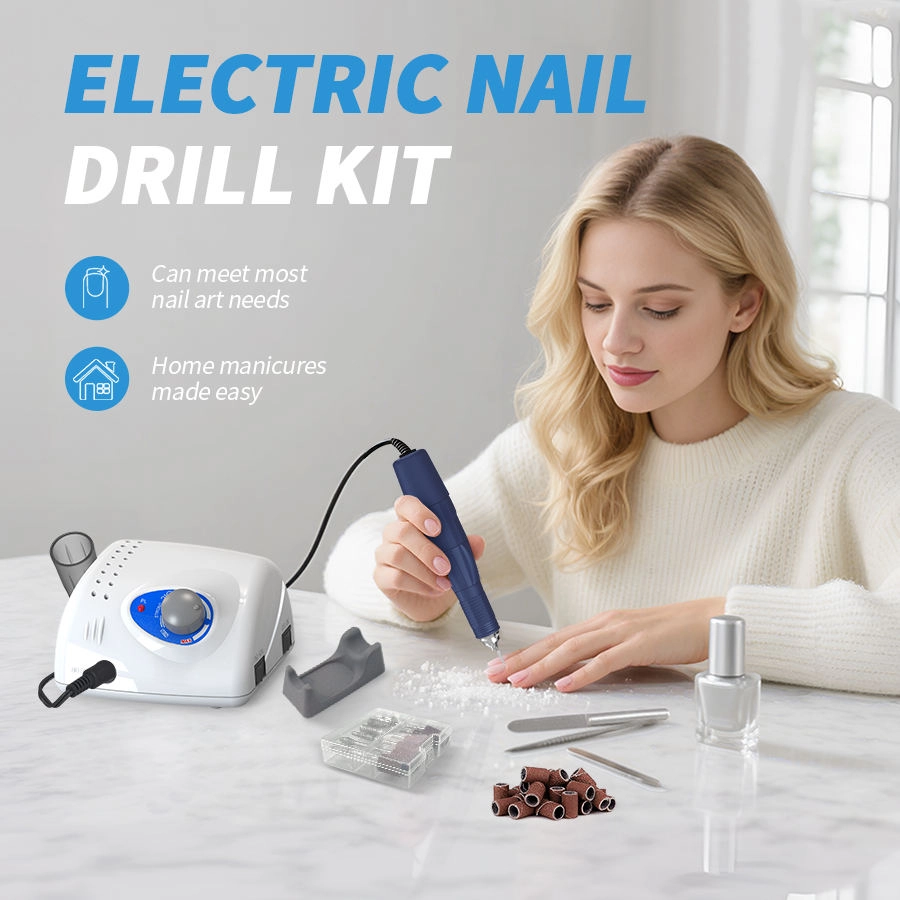
What global certifications do your nail drills have?
All models are CE, FCC and RoHS certified with full supporting documents.
AX-700
What’s the warranty policy for bulk-purchased AX-700?
We provide a 3-month warranty; defective units can be replaced free of charge .
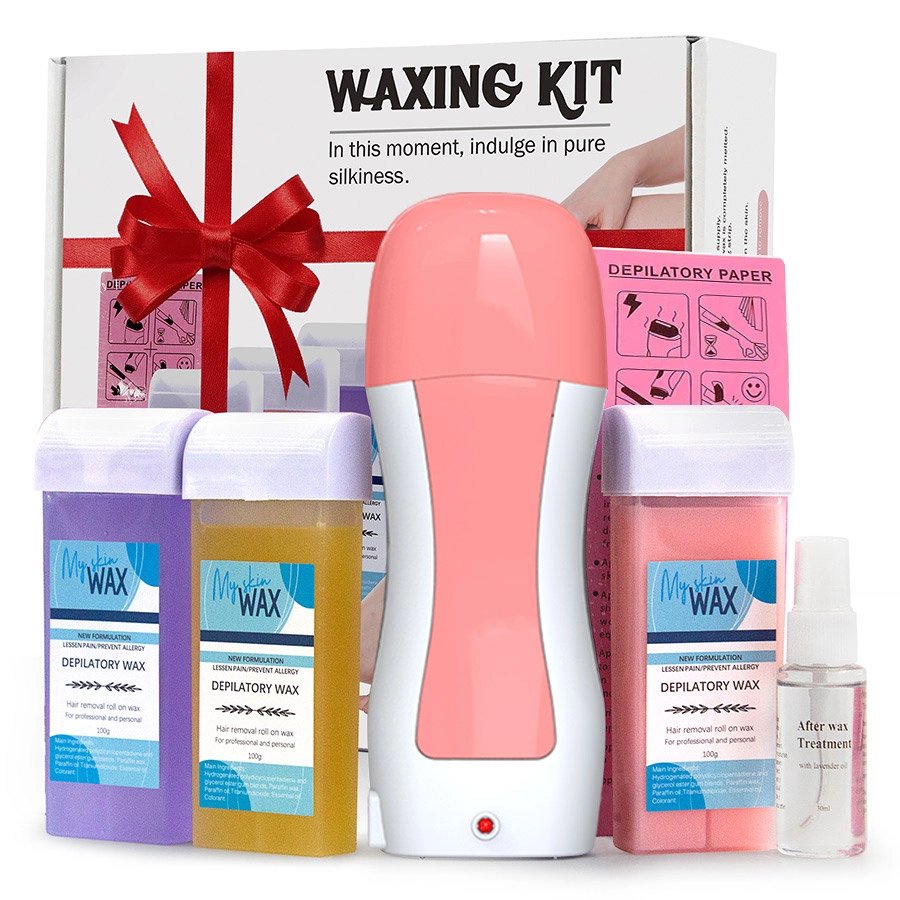
LOVECRAZY F3 is a portable handheld wax warmer tailored for targeted hair removal . It boasts a stylish two-tone body with multi-color options , matching diverse aesthetic preferences.
Crafted from high-quality ABS plastic, this compact device features a 100ml inner pot—ideal for small-area use without wax waste. Its 40W heating power melts hard wax beads/blocks fully in 8-10 minutes.
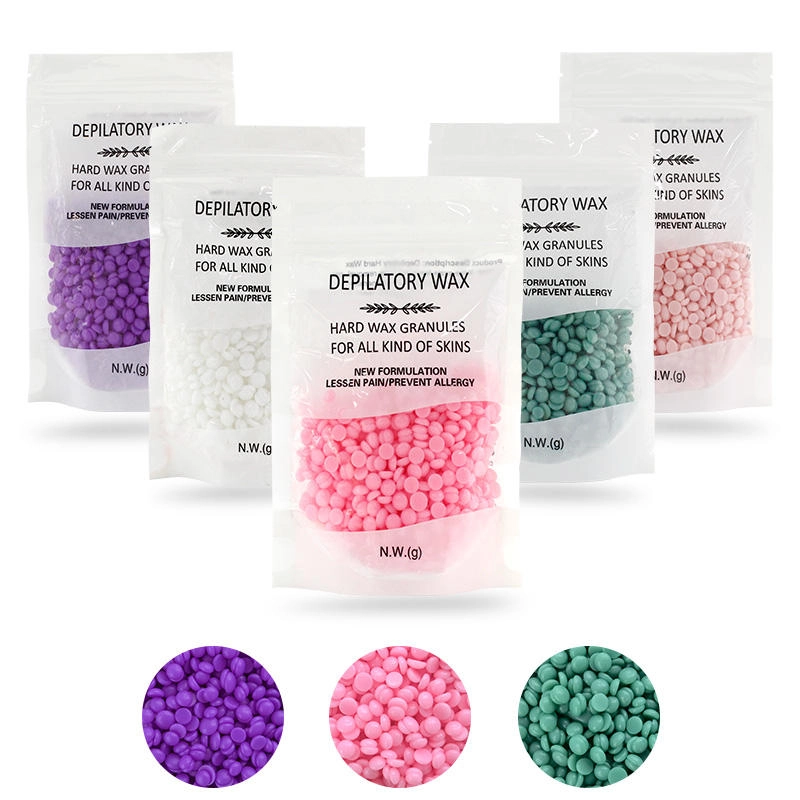
LOVE CRAZY hard wax beans offer an easy and effective solution for hair removal.
They melt quickly, spread smoothly, and remove hair from the root without strips. Suitable for bikini, face, underarms, and full body, the formula is gentle on skin while delivering strong hair removal performance.
Ideal for salon use, home waxing, and OEM private label projects.
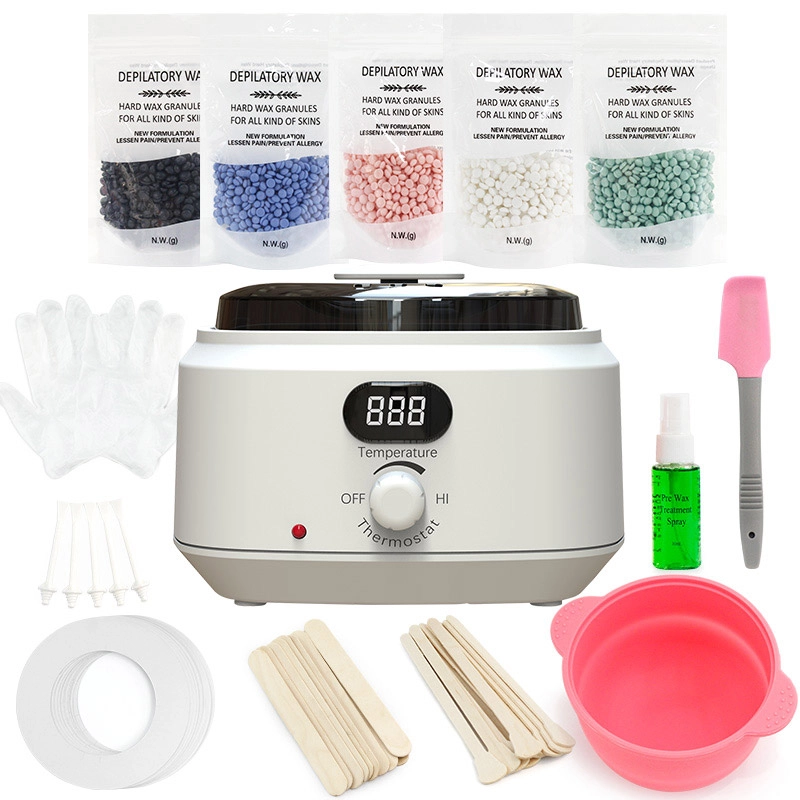
With a sleek soft finish and a transparent dust-proof lid (for easy wax status monitoring), our LOVECRAZY AX-200A 500ml PP wax heater blends aesthetic appeal with practical salon-grade performance.
Its intuitive knob-style temperature control pairs with 100W rapid heating to melt hard wax beads/blocks quickly; the 500ml capacity covers full-body multi-area hair removal, while 100-220V global voltage & multi-plug options suit salons, home users, and cross-border wholesale.
As a premier wax heater manufacturer, LOVE CRAZY delivers top-tier OEM salon beauty equipment and custom manufacturing solutions for global B2B partners.
Contact us at
E-mail: david@lovecrazyhome.com
WhatsApp: +86 189 2777 9907
Tel: +86 0757-85626657/85626627
Address: 4F, Building B, No.18, Yiheng Road, Xiahengtian Industrial Zone,Lishui Town, Nanhai District, Foshan, Guangdong, China
 Scan QR Code
Facebook
Instagram
Instagram
Instagram