









How to maintain and clean a professional wax heater? | Insights by LOVE CRAZY
Author: Industry expert in wax heater manufacturing and salon equipment procurement. This guide answers six specific, often poorly served questions about professional wax heater maintenance and cleaning. Embedded here are tested procedures used by wax heater manufacturers, salon operators, and technicians to reduce contamination risk, preserve heating elements and coatings, and extend equipment life. Always follow the manufacturer's user manual and local salon regulations.
1) How do I remove hardened paraffin or sugar-wax residue from a metal pot without damaging PTFE coatings or the heating base?
Problem: Hardened wax adheres to inner pots and coated liners. Aggressive scraping or solvents can damage PTFE/Teflon coatings and may expose the underlying metal, reducing non-stick performance.
Step-by-step safe method:
- Power & Safety: Unplug the unit and allow the heater to cool until the wax is warm but still pliable (not scalding). Check the manual for the recommended safe handling temperature or use an infrared thermometer. Do not immerse the electrical base.
- Heat-to-Liquify (controlled): If the wax is fully hardened, plug the heater in and gently re-warm the pot to 40–60°C (or the temperature range indicated by your manual) so the wax softens. Work in short intervals to avoid overheating or thermally stressing PTFE coatings.
- Mechanical Removal: Use wooden or silicone spatulas to lift softened wax. For coated pots, avoid metal scrapers which can scratch PTFE. For stainless steel inner pots, a flexible plastic scraper is safe.
- Oil-Assist Clean: After removing bulk wax, apply a small amount of a light, non-scented oil (mineral oil or cosmetic-grade paraffin oil) to remaining residue to dissolve tacky remnants. Wipe with lint-free paper towels. This method is commonly used by manufacturers to protect coatings while removing residual wax films.
- Final Wipe & Sanitize: Wipe again with 70% isopropyl alcohol on a cloth to remove oily residue and surface contaminants. Do not flood heating element areas; protect electrical contacts.
- Dry & Inspect: Let the pot dry fully and visually inspect the PTFE coating for scratches, blistering, or delamination. If coating damage is found, contact the manufacturer for lining replacement or service to avoid future adhesion and contamination issues.
Why this works: Re-warming avoids brittle scraping and oil dissolves tacky films without attacking PTFE. Manufacturers often recommend non-abrasive tools and cosmetic oils for residue removal to preserve surface integrity.
2) What's the salon-compliant sanitizing routine between clients to prevent cross-contamination when using a communal wax heater?
Problem: Shared wax pots can be a cross-infection vector if molten wax or applicators touch multiple clients. Many online answers are vague about compliance and fail to differentiate disposable vs. reusable workflows.
Salon-grade procedure (compliant, practical):
- Use single-use wooden spatulas or single-client wax liners whenever possible. Disposable applicators are the primary control to prevent direct skin contact with wax in the pot.
- If using a communal pot without liners: maintain a dedicated 'no-touch' protocol — remove used spatulas from contact with wax; do not re-insert a contaminated spatula. Consider dual-pot systems (one for single-use or sensitive skin clients) to minimize cross-contact.
- Between clients, while wax is warm and liquid, skim off the top thin layer where contaminants concentrate using a clean spatula and discard. Replenish with fresh wax if contamination risk exists.
- Surface disinfection: After removing wax residue from the lip and outer surfaces, wipe the exterior and rim with 70% isopropyl alcohol or a salon-approved disinfectant. Follow contact time on disinfectant label. Avoid spraying into electrical openings.
- For full-pot replacement (recommended daily in high-volume salons): empty and replace wax in the pot per manufacturer guidance. If full emptying is needed, allow the unit to cool and solidify wax in a disposable liner for removal, or use a transfer pot technique using clean heat-safe implements.
- Recordkeeping: Log cleaning actions and client-sensitive procedures. Many regulatory bodies expect documented cleaning frequency for shared devices.
Why this works: Combining disposable applicators, top-layer skimming, and surface disinfection addresses both direct cross-contact and fomite transmission. Always follow local public-health and licensing rules for salons.
3) How can I recalibrate or verify a wax heater thermostat if the displayed temperature seems off, without voiding the warranty?
Problem: Heaters may drift or show inaccurate setpoints. Recalibration attempts by untrained staff can void warranties, yet inaccurate temperatures cause poor waxing results and safety hazards.
Safe verification & recalibration workflow:
- Documentation first: Review the user manual — many manufacturers provide acceptable tolerance ranges and a troubleshooting section. Warranties often forbid opening sealed electronics.
- Non-invasive verification: Use a calibrated handheld contact thermometer or an infrared (IR) thermometer aimed at the wax surface to measure actual temperature. For surface IR readings, compensate for emissivity (wax ~0.95). Verify at multiple setpoints (low/medium/high) and allow stabilization for 10–15 minutes at each setting.
- Compare readings: If measured temps consistently fall outside the manufacturer's stated tolerance, document readings (date, ambient temp, device used) and contact the manufacturer or authorized service center. Most manufacturers will advise repair or provide firmware/thermostat replacement instructions that preserve warranty.
- Authorized recalibration: If recalibration is necessary, have an authorized technician replace the thermostat sensor or perform calibration. Some units use user-accessible calibration offsets (noted in manual) that adjust displayed values; use those only if documented by the manufacturer.
- Proactive tips: Keep heater away from drafts and direct sunlight; ambient conditions affect sensor readings. Re-check thermostat behavior annually or when performance issues arise.
Why this works: Non-invasive measurement prevents warranty breaches. Manufacturer-authorized servicing ensures safe handling of electrical components and maintains certification compliance (CE/UL where applicable).
4) Which cleaning products and solvents are safe for stainless steel, PTFE-coated pots, and plastic housings — and which common cleaners should I avoid?
Problem: Wrong solvents can strip coatings, cause chemical degradation, or leave residues that irritate clients. Many online lists are inconsistent about safe concentrations and material-specific restrictions.
Material-specific guidance:
- Stainless steel pots: Safe — warm water with mild detergent, isopropyl alcohol for disinfection, and food-grade mineral oil for sticky residues. Avoid chloride-heavy bleaches in concentrated form for prolonged contact (can pit some stainless steels) and never use steel wool (may leave abrasive particles).
- PTFE/Teflon-coated inner pots: Safe — mild detergents, cosmetic mineral oil, and 70% isopropyl alcohol for light sanitizing. Avoid oven cleaners, caustic drain cleaners, high-abrasion pads, or solvents like acetone which can degrade coatings. Do not use metal scrapers.
- Plastic housings and lids: Safe — mild detergent, isopropyl alcohol in small amounts. Avoid concentrated solvents (acetone, toluene) and high-concentration peroxide cleaners which may cause crazing or discoloration. Use soft microfiber cloths.
- Silicone liners: Generally robust — can be washed with hot soapy water, autoclaved only if rated by manufacturer. Confirm temperature limits before heat sterilization.
Cleaning-product checklist:Choose: mild dish soap, 70% isopropyl alcohol, mineral or paraffin oil, lint-free towels, soft silicone or plastic scrapers.Avoid: acetone, methylene chloride, concentrated bleach for prolonged contact, steel wool, aggressive abrasive powders.
Why this works: Matching cleaner chemistry to substrate prevents premature failure and preserves non-stick and thermal performance specified by wax heater manufacturers.
5) What maintenance schedule and component checks will extend the working life of a professional wax heater, and how do I know when to replace parts or the whole unit?
Problem: Salons often run high daily cycles and need clear criteria to decide between repairs and replacement. Vague or overly conservative guidance leads to unnecessary downtime or equipment failure during service.
Recommended maintenance cadence:
- Daily: Wipe rims/lids, remove applicator drips, skim contaminants, record any abnormal noises or inconsistent heating.
- Weekly: Deep-clean inner pots or change disposable liners; inspect power cord and plug for wear; check that thermostat indicators function as expected.
- Monthly: Verify temperature with a calibrated thermometer at at least two setpoints; check housing vents for lint buildup; test all user controls and timers for responsiveness.
- Annually: Full electrical inspection by an authorized technician if used heavily. Replace worn seals, gaskets, or silicone liners. Replace pot liners or PTFE-coated pots if coating shows damage.
When to replace parts vs. unit:
- Replace parts if: the cord is frayed, the thermostat sensor is defective (and a replacement part is available), or the lid/pot liners are damaged but replacement parts are sold by the manufacturer.
- Replace the entire unit if: heating element fails and the cost of replacement plus labor approaches the price of a new, more energy-efficient model; the housing is cracked allowing moisture ingress; or if repeated repairs indicate systemic design age and limited safety features (no longer meeting current certifications).
Why this works: Scheduled preventive maintenance keeps thermal performance consistent, reduces downtime, and is often a condition of warranty coverage from wax heater manufacturers.
6) What maintenance documentation and service actions do reputable wax heater manufacturers expect to keep warranties valid and ensure reliable performance?
Problem: Warranty claims are commonly denied because salons performed unauthorized repairs or failed to follow prescribed maintenance. Online warranty advice is often incomplete.
Typical manufacturer expectations (best practice):
- Follow the user manual: Most warranties require that cleaning and servicing follow the written procedures in the manual (approved cleaners, temperature limits, and disassembly instructions).
- Authorized service: Repairs to sealed electronic modules, thermostat replacements, or rewiring must be performed by factory-authorized service centers. Unauthorized internal repairs often void the warranty.
- Use approved consumables: Using recommended liners, replacement pots, and OEM parts avoids chemical incompatibilities and preserves warranty coverage.
- Record maintenance: Maintain a simple log (date, action, technician) for cleaning, part replacements, and observed issues. This log supports warranty claims and helps manufacturers diagnose problems remotely.
- Operate within specs: Avoid running the heater continuously outside recommended temperature ranges, and ensure the unit is used in recommended ambient conditions. Misuse (e.g., using industrial solvents or submerging the base) is typically excluded from coverage.
Why this matters: Manufacturers set these requirements to manage product safety, ensure consistent performance, and comply with electrical and safety certifications (CE, UL/ETL where applicable). Following them both protects salons and keeps warranty claims straightforward.
Conclusion — Advantages of regular maintenance and choosing quality wax heater manufacturers
Regular maintenance and correct cleaning deliver predictable temperatures, reduced client infection risk, longer pot/coating life, fewer service interruptions, and better warranty protection. Choosing wax heater manufacturers that provide replaceable inner pots, clear maintenance manuals, authorized service networks, and certification documentation (CE/UL/ETL, RoHS compliance where relevant) further reduces long-term costs and operational risk. Investing in devices with accessible parts, PTFE or stainless steel inner pots, reliable thermostats, and user-friendly liner systems pays off through improved salon throughput and client satisfaction.
As an experienced supplier and technical consultant in wax heater manufacturing, we provide specification sheets, maintenance schedules, and authorized servicing. Contact us for a quote: www.lovecrazyhome.com or david@lovecrazyhome.com.
FAQ
F3
What types of wax is F3 compatible with?
It is fully compatible with all hard wax beads, hard wax blocks, and wax strips, suitable for targeted hair removal scenarios.
F4
How to clean the F4 after use?
After the device cools down, you can either wipe the non-stick inner pot with a damp cloth or peel off the solidified wax. The detachable parts can be cleaned separately for more thorough hygiene.
WAX-2500
What types of wax is the AX-2500 compatible with?
It works with all hard wax beads/blocks, and is also suitable for paraffin wax .
AX-700
Does AX-700 have a heat preservation function?
Yes, it can maintain a stable temperature after wax melting, ensuring a good hair removal experience.
AX-258A
How many salon waxing services can a single 500ml heating support?
It can support 8-10 partial waxing services (e.g., eyebrows, face) or 3-4 full-body waxing services, reducing the trouble of frequent wax refilling and improving service turnover efficiency.
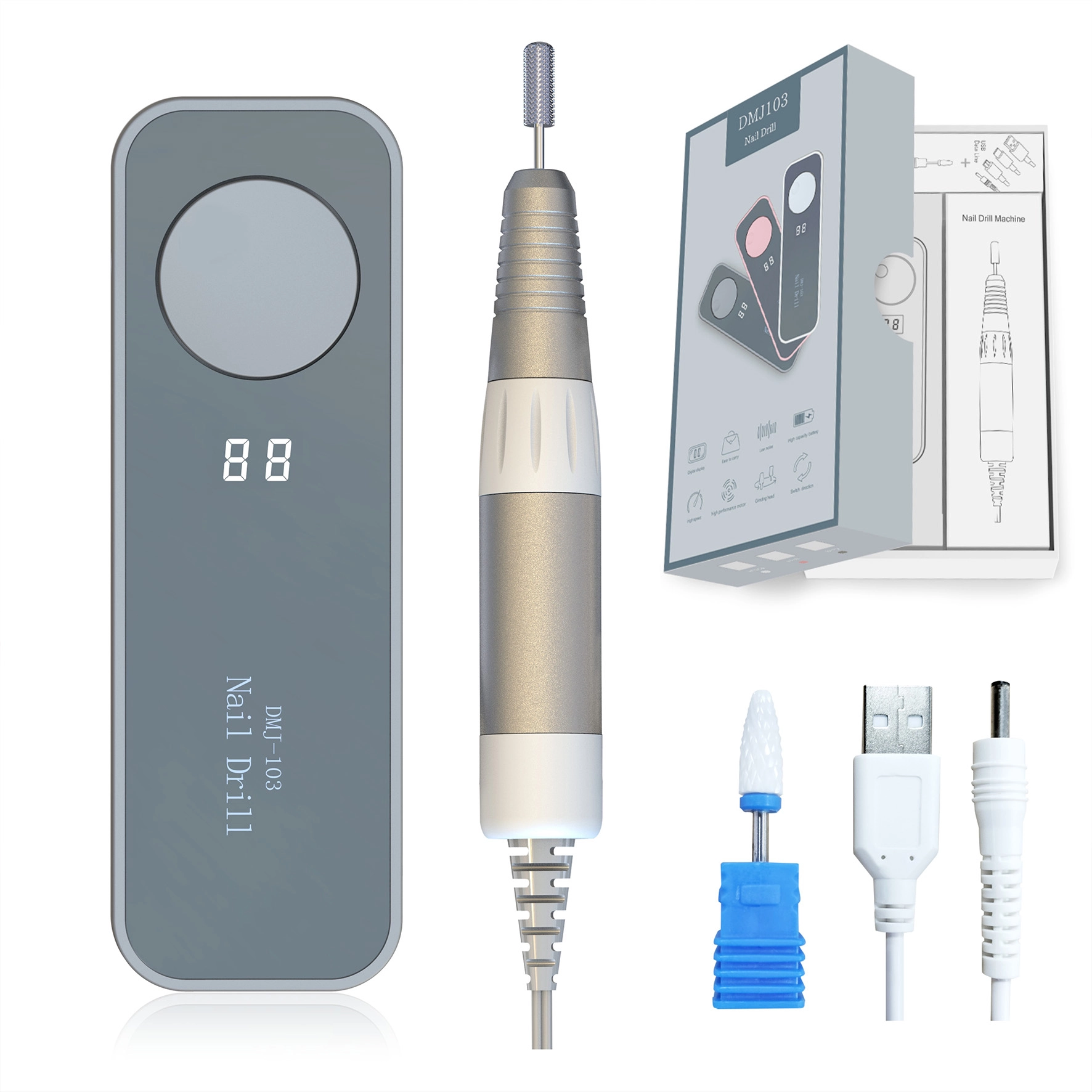
Equipped with a high-performance motor delivering up to 35000 RPM adjustable speed, this nail drill provides consistent, smooth power for all professional nail services — including gel polish removal, nail shaping, cuticle care, and acrylic nail work. The clear digital display ensures precise speed control, allowing nail technicians to deliver uniform, high-quality results for every client even during busy salon hours.
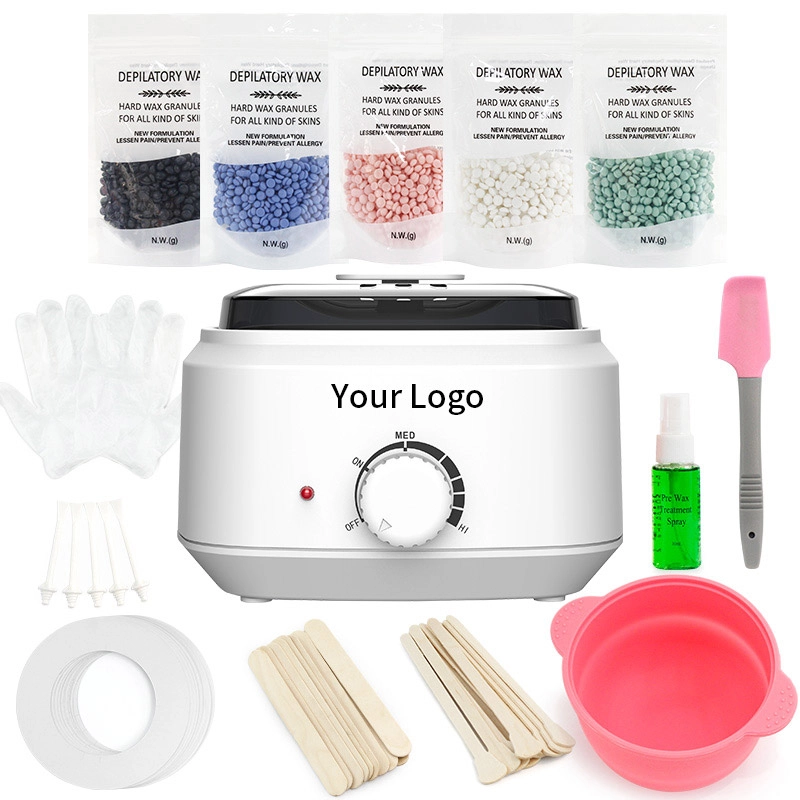
AX-200 500ml PP wax heater blends durable, high-quality material with salon-grade performance, making full-body multi-area hair removal seamless.
Its 100W fast heating, hard wax compatibility (beads/blocks), 100-220V global voltage, and multi-color options suit salons, home users, and cross-border wholesale for face/eyebrows/body use.

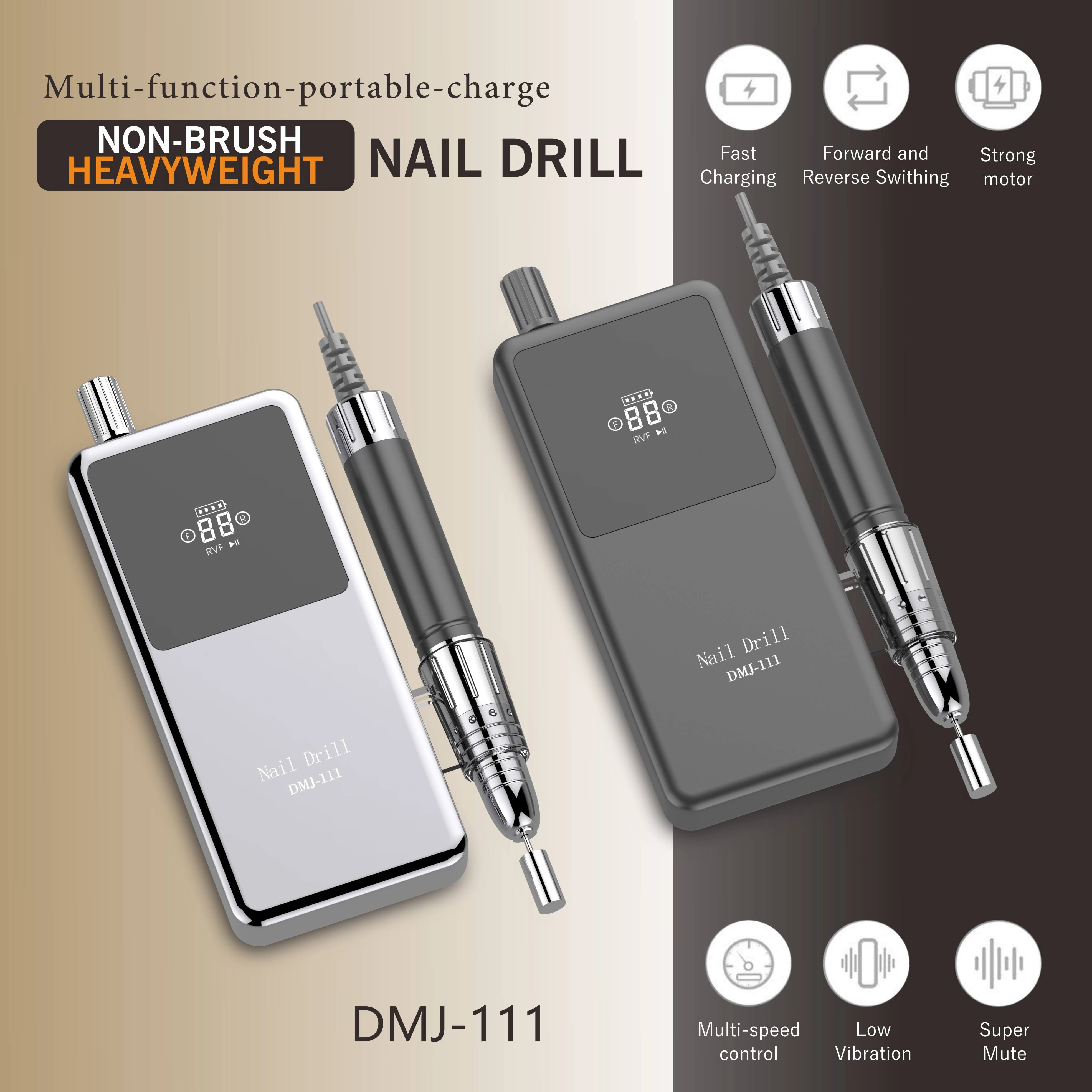
The DMJ-111 cordless rechargeable nail drill from LOVE CRAZY delivers salon-grade precision and performance in an ultra-slim, premium stainless steel body. As a leading Foshan-based beauty equipment manufacturer with 14+ years of industry experience, we designed this model for both fixed salon use and on-the-go mobile services, with stable 35000 RPM high-speed performance, long-lasting battery life, and durable build. We also provide full OEM/ODM solutions for global B2B beauty brands, salon chains, distributors, and wholesalers.
As a premier wax heater manufacturer, LOVE CRAZY delivers top-tier OEM salon beauty equipment and custom manufacturing solutions for global B2B partners.
Contact us at
E-mail: david@lovecrazyhome.com
WhatsApp: +86 189 2777 9907
Tel: +86 0757-85626657/85626627
Address: 4F, Building B, No.18, Yiheng Road, Xiahengtian Industrial Zone,Lishui Town, Nanhai District, Foshan, Guangdong, China
 Scan QR Code
Facebook
Instagram
Instagram
Instagram