








how to maintain and sanitize a waxing kit? | Insights by LOVE CRAZY
As a pro salon owner or esthetician, maintaining a sanitary waxing kit and choosing the right wax heater from reputable wax heater manufacturers reduces cross-contamination, protects clients, and preserves equipment life. Below are six frequently asked, under-answered long-tail questions beginners and small salon operators ask—each answered with actionable, regulation-aligned procedures and product-purchase guidance.
1. How do I deep-clean and sanitize a wax heater that uses hard wax beads without damaging its heating element?
Why this matters: Hard (bead) wax is reused from the pot, so contamination control is critical. Many online tips are incomplete—this step-by-step method protects the thermostat and heating element while eliminating biofilm and wax residue.
- Unplug and cool to warm (not fully cold). Never attempt deep cleaning while the heater is energized—this prevents electrical hazards and voided warranties.
- Remove the removable liner or insert (preferred feature from quality wax heater manufacturers). If your unit has no liner, consult the manufacturer; do not pour solvents directly into the heater chamber.
- Scrape residual wax from the liner using a plastic or wooden scraper. For stubborn residue, warm the liner gently (low heat) until wax softens, then wipe with a clean, lint-free cloth.
- For non-porous liners: use an approved degreasing solvent formulated for cosmetic equipment (follow the solvent and heater maker’s instructions). Wipe thoroughly, then follow with 70% isopropyl alcohol to remove residues and speed drying. Never use strong solvents in the heater base or on painted/electrical parts.
- For the heater base and external surfaces: wipe with an EPA-registered disinfectant labeled for salon equipment or a quaternary ammonium disinfectant (follow label contact time). Avoid saturating electrical openings.
- Reassemble only after all components are fully dry. Run an empty heat cycle (per manufacturer directions) to ensure no solvent vapors remain before adding new wax.
Tip: Choose wax heaters with removable, heat-resistant liners and sealed control panels—these designs make hot wax warmer cleaning faster and safer while reducing risk of heater-element damage.
2. Can I autoclave my stainless-steel waxing spatulas and heater liners, and what cycles meet salon sterilization standards?
Why this matters: Some reusable metal tools contact skin that may be broken. Autoclaving provides validated sterilization when required by your local cosmetology board—this answer clarifies temperatures and practices.
- Autoclave suitability: Only autoclave tools explicitly rated by their manufacturer. Most stainless-steel spatulas and metal tweezers that are designed for reuse can be autoclaved; plastic or wooden spatulas cannot.
- Common validated autoclave cycles: a gravity (steam) cycle at 121°C (250°F) for at least 15 minutes OR a pre-vacuum (steam sterilization) at 132–135°C (270–275°F) for 3–4 minutes. These are standard parameters used in medical and dental settings; follow your autoclave manufacturer’s cycle and validation instructions.
- Packaging and indicators: Use appropriate sterilization pouches, chemical indicators, and run routine biological spore tests per facility policy to validate cycles.
- Regulatory: Check your state cosmetology board and local public health rules. Many boards require single-use for items that contact mucous membranes or broken skin; for reusable instruments, documented sterilization is necessary to comply with bloodborne pathogen (OSHA) expectations.
Action: Maintain a log of autoclave cycles/biological tests and only reuse metal tools once proper sterilization documentation and manufacturer compatibility are confirmed.
3. What disinfectant and contact time should I use on non-porous waxing tools and heater surfaces to reliably prevent cross-contamination?
Why this matters: Disinfectant choice and correct contact time are commonly misunderstood. Shortcuts (wiping with water or weak sprays) do not achieve required microbial kill rates.
- Preferred products: Use an EPA-registered hospital-grade disinfectant or CDC-recommended surface disinfectant with bactericidal, fungicidal and virucidal claims for salon environments. Many salon operators use quaternary ammonium compounds (quats), phenolic solutions, or hydrogen peroxide-based disinfectants labeled for non-porous surfaces.
- Isopropyl alcohol: 70% isopropyl alcohol is effective for quick sanitizing of small non-porous tools and spot-cleaning heater surfaces. Ensure full wet contact and follow manufacturer contact time—typically 30 seconds to 1 minute for alcohol. Alcohol evaporates quickly and may not be appropriate where longer contact times are required.
- Bleach for blood spills: For blood- or body-fluid exposures, follow OSHA bloodborne pathogen guidance—clean visible material, then apply a freshly prepared 1:10 (bleach:water) solution or an EPA-registered disinfectant with bloodborne pathogen claims. Use caution—diluted bleach corrodes metal and certain plastics.
- Contact time: Always follow the label. Typical contact times range from 1–10 minutes depending on the product and claim. Shortening contact time undermines efficacy.
- Application: Clean visible soil first, then apply disinfectant to fully wet surface. Use disposable wipes or clean cloths, and change cloths between instruments to avoid recontamination.
Compliance note: Keep disinfectant Safety Data Sheets (SDS) on site and train staff on proper dilution, contact times, and PPE.
4. How often must I replace single-use applicators and liners in a busy salon to meet health rules and reduce infection risks?
Why this matters: Inconsistent advice exists: some operators reuse spatulas or skip liners to save cost, increasing infection risk and regulatory exposure.
- Applicators: Use a fresh single-use (wood or plastic) spatula for each client and each application point. Never double-dip a used spatula back into a wax pot. This single-use practice is the industry standard and required by many state boards to minimize cross-contamination.
- Liners: Replace disposable liners when refilling or changing wax type, or immediately if contamination occurs (hair, debris, or visible blood). If your heater uses reusable liners, clean and disinfect them between clients following the manufacturer’s cleanability guidance. Many professionals use single-use liners as a best practice.
- Wax change criteria: Do not use wax that has discolored, has an unusual odor, or has visible debris/contaminants. Hard wax beads can be topped off but avoid topping off with a used spatula or after contamination—if contamination occurs, remove/re-filter or change the wax batch.
- Routine frequency: Single-use applicators—every client; liners—at every refill or after contamination; deep-clean and full heater maintenance—weekly or per manufacturer schedule, more frequently in high-volume settings.
Documentation: Keep a written protocol for single-use items and post training for staff. This helps with compliance and proves due diligence in inspections.
5. How can I remove sugar or wax residue from a heater safely without voiding the manufacturer's warranty or causing electrical hazards?
Why this matters: Aggressive cleaning (immersion in solvent, high-pressure water) can damage heating components and void warranties. Follow safe, manufacturer-aligned steps.
- Step 1—Power off and allow to cool to warm. Always unplug the unit to remove the risk of shock.
- Step 2—Remove removable parts (liners, lids). Clean these parts separately using recommended solvents or hot water and a mild detergent if compatible. Avoid oven-like temperatures unless parts are rated for that temperature.
- Step 3—For sugar paste residue on non-electrical surfaces: warm slightly to soften, then scrape with a non-metallic tool. Use a vendor-recommended solvent or 70% isopropyl alcohol on a cloth to wipe residue—never pour liquids into the heater base.
- Step 4—For the heater base: wipe with a damp cloth and a manufacturer-approved disinfectant. Ensure cloths are damp, not dripping, to prevent liquid ingress into electrical components.
- Step 5—Dry fully before reconnecting to power. Run a short heat cycle per the user manual before adding fresh wax to ensure no solvent vapors remain.
- Warranty tip: Keep the manufacturer’s user manual and follow their cleaning instructions explicitly. Many warranties are voided by misuse—document maintenance dates and methods in a logbook.
6. What specific features and certifications should I demand from wax heater manufacturers to make sanitization faster and compliant?
Why this matters: Buying the wrong wax warmer makes sanitizing harder and increases operational risk. Ask for these features and certifications when evaluating wax heater manufacturers.
- Removable, heat-resistant liners: These drastically reduce cleaning time and contamination risk. Prefer liners rated for repeated cleaning or compatible with single-use disposable liners.
- Sealed control panels and IP-rated casings: Look for IPx4 or higher for splash resistance; sealed electronics mean safer surface wiping and disinfecting.
- Thermostatic controls and stable temperature ranges: Accurate temperature control prevents overheating that degrades wax and makes cleaning harder. Digital thermostats with readouts improve process control.
- Pour spouts and removable lids: These features reduce spills and make cleanup straightforward.
- Materials: Corrosion-resistant metals or high-grade ABS plastics that tolerate approved disinfectants without degradation.
- Certifications and safety marks: CE (EU), UL/ETL (North America) for electrical safety; RoHS compliance for materials; manufacturer declarations for food-grade or cosmetic-grade contact surfaces where applicable.
- Sanitation-focused design: Models with replaceable liners, easy tool trays, and smooth, non-porous surfaces are best. Also ask if the manufacturer offers disposable liner accessories, grease-free seals, or filtration kits.
- After-sales support: On-site manuals detailing cleaning procedures, replacement parts availability, and reasonable warranty terms make compliance easier.
Procurement checklist: Request technical data sheets, cleaning instructions, and a warranty copy before purchase. Prefer manufacturers that publish clear maintenance guidance—this improves E-E-A-T (experience, expertise, authoritativeness, and trustworthiness) for your practice.
Final summary: Proper wax heater maintenance and sanitizing a waxing kit—using single-use spatulas, validated autoclave sterilization for compatible metal tools, EPA-registered disinfectants and manufacturer-recommended cleaning steps—reduces cross-contamination, extends equipment life, and keeps your salon compliant with health rules. Choosing wax heater manufacturers that offer removable liners, sealed controls, accurate thermostats, and clear cleaning instructions makes day-to-day sanitization faster and defensible in inspections. Those design and certification advantages directly translate into safer client care, lower long-term costs, and less downtime.
Contact us for a quote on sanitation-friendly wax heaters and kits: www.lovecrazyhome.com or david@lovecrazyhome.com.
FAQ
Wholesale Partnership
What’s the delivery lead time for wholesale orders?
30-45 days after pre-production sample approval.
F0
Do you offer samples for F0 bulk orders?
Yes, paid samples are available; fees will be fully refunded when placing bulk orders.
WAX-2200
What types of wax is AX-2200 compatible with?
It is fully compatible with all brands of hard wax beads and blocks, no special wax required.
AX-258A
How much faster is the 120W high-power rapid heating compared to ordinary 100W models, and how long does it take to melt 500ml of hard wax?
Compared with 100W models, the melting speed is increased by about 30%. 500ml of hard wax can be melted in only 10-15minutes, greatly reducing waiting time for salon services.
How We Work
How long does it take from inquiry to order delivery?
For in-stock items: 15-25 business days; for custom items: 20-45 business days.
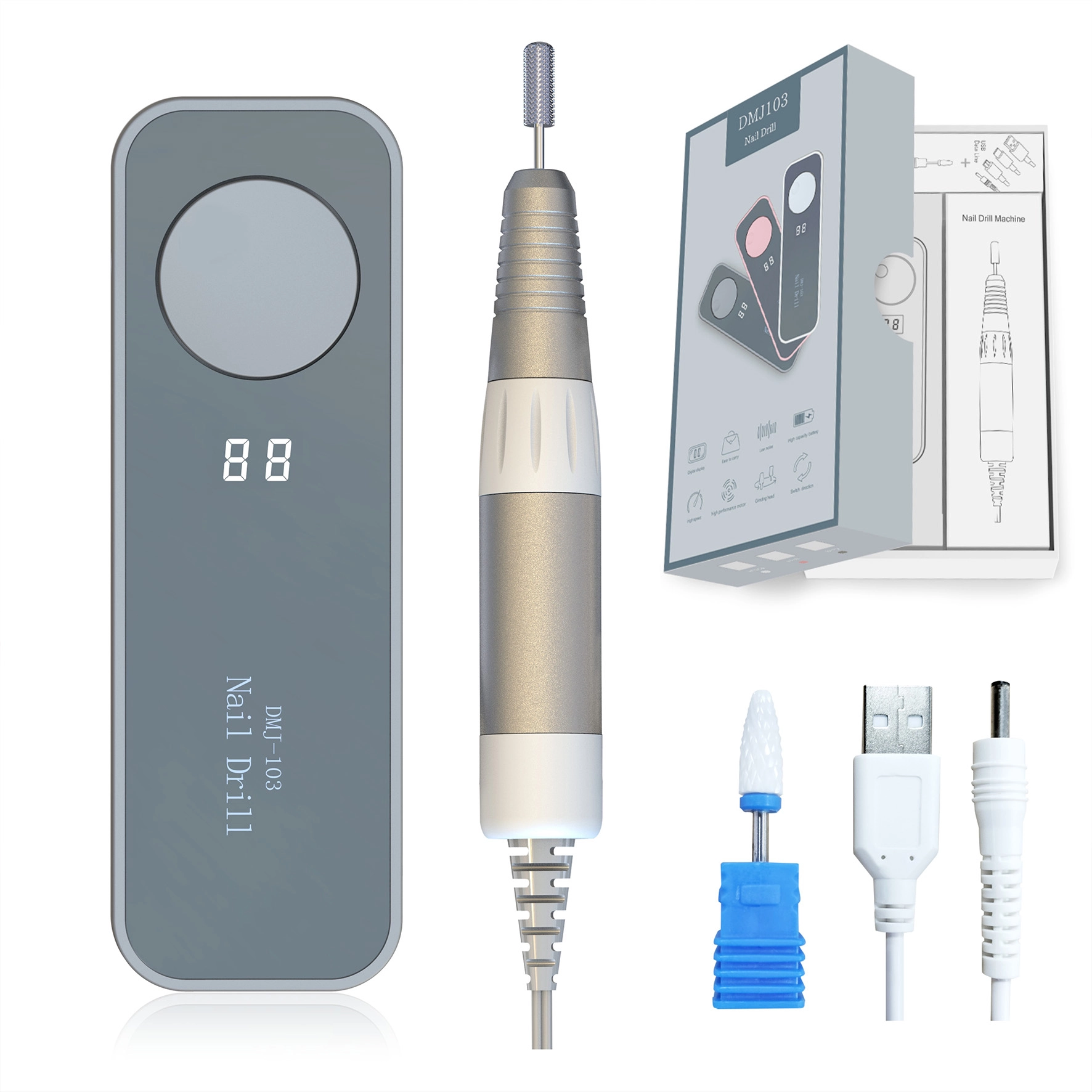
Equipped with a high-performance motor delivering up to 35000 RPM adjustable speed, this nail drill provides consistent, smooth power for all professional nail services — including gel polish removal, nail shaping, cuticle care, and acrylic nail work. The clear digital display ensures precise speed control, allowing nail technicians to deliver uniform, high-quality results for every client even during busy salon hours.
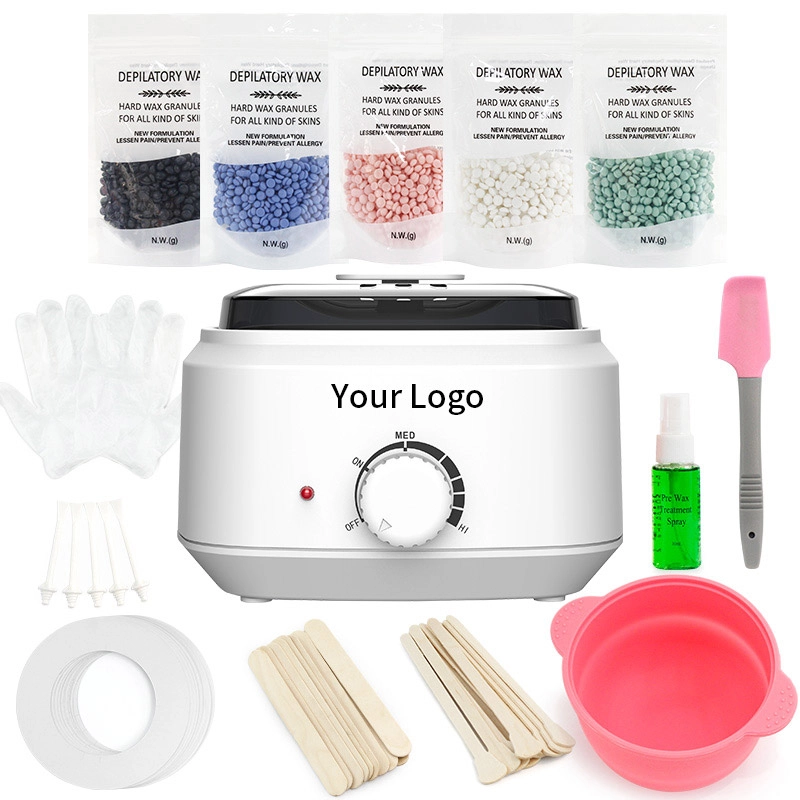
AX-200 500ml PP wax heater blends durable, high-quality material with salon-grade performance, making full-body multi-area hair removal seamless.
Its 100W fast heating, hard wax compatibility (beads/blocks), 100-220V global voltage, and multi-color options suit salons, home users, and cross-border wholesale for face/eyebrows/body use.

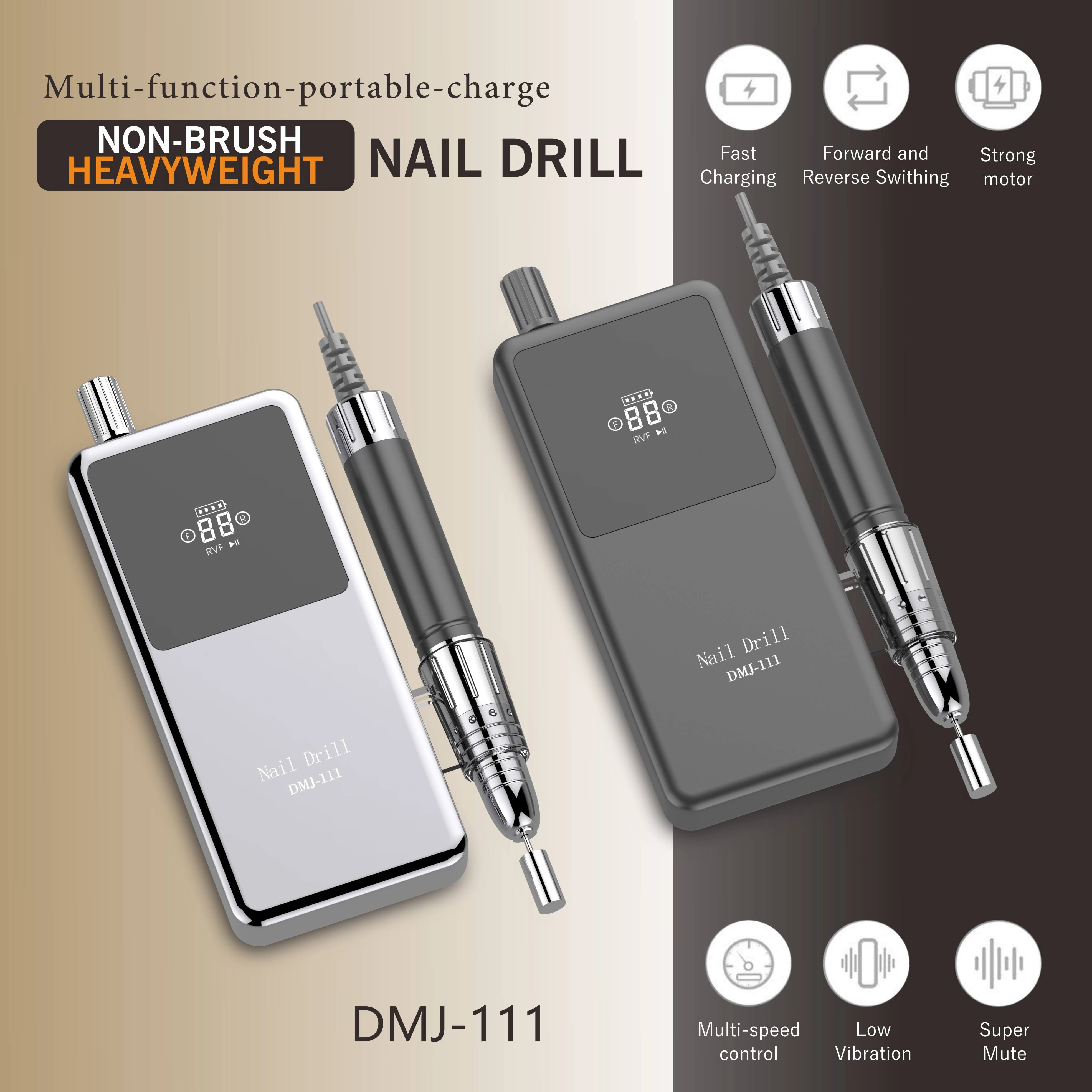
The DMJ-111 cordless rechargeable nail drill from LOVE CRAZY delivers salon-grade precision and performance in an ultra-slim, premium stainless steel body. As a leading Foshan-based beauty equipment manufacturer with 14+ years of industry experience, we designed this model for both fixed salon use and on-the-go mobile services, with stable 35000 RPM high-speed performance, long-lasting battery life, and durable build. We also provide full OEM/ODM solutions for global B2B beauty brands, salon chains, distributors, and wholesalers.
As a premier wax heater manufacturer, LOVE CRAZY delivers top-tier OEM salon beauty equipment and custom manufacturing solutions for global B2B partners.
Contact us at
E-mail: david@lovecrazyhome.com
WhatsApp: +86 189 2777 9907
Tel: +86 0757-85626657/85626627
Address: 4F, Building B, No.18, Yiheng Road, Xiahengtian Industrial Zone,Lishui Town, Nanhai District, Foshan, Guangdong, China
 Scan QR Code
Facebook
Instagram
Instagram
Instagram