








nail drill machine with dust collector for salon | Insights by LOVE CRAZY
How to Choose a Nail Drill Machine with Dust Collector for Salon — Pro Guide for Buyers from Wax Heater Manufacturers
This article answers six specific, pain-point oriented questions frequently asked by beginners who are sourcing a nail drill machine with dust collector for salon use and/or working with wax heater manufacturers on combined purchases. It embeds practical buying criteria, filter and maintenance schedules, compliance guidance and real-world cost expectations so you can make a safe, compliant and cost-effective decision.
1) How do I select a nail drill machine with dust collector that actually captures the majority of acrylic and gel dust without reducing e-file torque or speed during heavy daily use?
Why this matters: salons need effective dust capture to protect technicians and clients, but many compact e-file + vacuum combos underperform because the dust extraction is weak or the dust box introduces drag on the handpiece.
Key selection criteria:
- Separate motor systems: choose units where the dust extractor and the e-file handpiece have their own dedicated motors and power supplies (or a scavenged but adequately rated single supply). This avoids voltage sag to the e-file when the vacuum motor kicks in.
- Suction design and airflow: look for a dust extraction system that provides stable airflow rather than only peak suction. In professional portable collectors, manufacturers commonly design the intake near the work area and use a pre-filter + HEPA stage to keep suction consistent.
- HEPA filtration: opt for a system with a HEPA-rated final filter (HEPA efficiency at 0.3 microns = 99.97%). This removes the finest acrylic/gel particles and is an industry-standard for airborne particulate control.
- Pre-filter + washable trap: a washable pre-filter or acrylic dust trap prevents large debris from clogging the HEPA, preserving suction and filter life. Make sure the device has user-replaceable pre-filters.
- Handpiece ergonomics and isolation: choose an ergonomic, balanced handpiece (ideally <50 g weight variance) with a short, flexible cable and a separate vacuum inlet close to the bit. Isolation mounts reduce vibration transfer that can feel like loss of torque.
- Motor specs for the e-file: professional salon e-files typically offer 0–30,000+ RPM and a torque rating appropriate for natural nail work and heavy acrylic/gel removal. Brushless motors provide steadier torque under load.
- Request a manufacturer performance sheet that lists continuous duty cycles, vacuum filtration stages, and e-file torque or wattage under load.
- Ask for a live demo video showing heavy acrylic removal with simultaneous vacuum operation, or request an on-site sample test if possible.
- Check noise level specs (dB). High suction units can be loud; look for units that balance suction with sound insulation for salon comfort.
- Stage 1 — Removable dust tray or cyclonic pre-separator: catches large particles and nails chips; empty daily or per shift.
- Stage 2 — Washable pre-filter (mesh or foam): captures medium debris and prolongs HEPA life; rinse and dry weekly or when visibly dirty.
- Stage 3 — HEPA H13/H14 final filter: true HEPA (H13 or H14 where available) for fine particulate; replace according to usage (commonly every 6–12 months in a busy salon) or per pressure drop indicator.
- Daily: empty removable dust tray, wipe external surfaces and handpiece with a salon-appropriate disinfectant.
- Weekly: inspect and, if washable, clean the pre-filter; inspect seals and vacuum hoses for blockages.
- Monthly: check HEPA filter pressure drop (if the unit has a gauge); replace pre-filters when brittle or torn.
- Every 6–12 months: replace HEPA filter (interval depends on client volume). Use OEM filters or certified equivalents to maintain fit and efficiency.
- Never attempt to disinfect HEPA filters with liquid disinfectants — they are damaged by moisture. Instead, use replaceable HEPA cartridges or a UV-C unit placed in the exhaust path by the manufacturer design.
- Sterilize handpiece inserts/bits per existing salon sterilization protocols (autoclave-compatible bits where applicable) and use separate tool trays per client.
- CE marking (EU): demonstrates conformity with relevant EU Directives (Low Voltage Directive, EMC). The supplier should provide a Declaration of Conformity and a technical file.
- RoHS / REACH (EU): restricts hazardous substances used in the product and is commonly requested for salon equipment.
- EMC and LVD test reports: technical lab reports proving electromagnetic compatibility and electrical safety under the Low Voltage Directive.
- UL / ETL (US) or cETL / CSA (Canada): for North American markets, a UL or ETL certification for the unit (or component-level safety approvals) reduces customs and insurance friction.
- FCC (US) if wireless components present: mandatory for devices that include wireless or RF components (Wi‑Fi/Bluetooth monitoring or control).
- ISO 9001: while not legally required, an ISO 9001 quality management certification from the manufacturer indicates consistent production and documented QC processes (important for OEM/ODM projects).
- Temperature safety testing and thermostat accuracy reports. Wax warmers should have over-temperature protection and a stable temperature range suitable for paraffin and soft waxes (paraffin melts typically between ~47–64°C / 116–147°F depending on grade).
- Material safety documentation (BPA-free plastics, food-grade inner pots if applicable) and relevant chemical compliance when paraffin or natural waxes are used near skin.
- Copies of all certification reports and test certificates.
- Warranty terms (typical professional equipment warranties run 12–24 months) and an RMA procedure for defective units.
- MOQ flexibility: negotiate lower combined MOQs — many manufacturers accept lower per-SKU numbers if total order volume meets thresholds. Typical MOQs for OEM consumer salon electronics commonly range between ~100–500 pieces per SKU, but combined orders can reduce per-item MOQ.
- Unified certifications: ensure both product lines (nail drill with dust collector and wax heaters) come with the same level of safety testing (LVD/EMC/UL/ETL) to simplify import documentation.
- Voltage / plug options: standardize across SKUs for multi-market deployment — request universal voltage ranges (100–240VAC where possible) and swap plug kits to avoid rewiring in destination markets.
- Branding & packaging: agree on unified packaging, instruction languages, and labeling (CE/UL marks and multilingual manuals) to lower unit packaging costs and simplify shelf presentation.
- Shared components: where safe and feasible, negotiate shared components (power bricks, switches, thermostatic controls) to reduce tooling costs — but only if that doesn’t compromise product-specific safety (wax heaters need temperature-specific thermostats and isolation, while e-files need speed controllers and motor protection).
- Combined warranty & service: align warranty periods and RMA logistics to offer a single point of contact for returns; this reduces admin overhead and improves customer experience.
- Consistent torque under load: brushless motors maintain RPM and torque with less heat build-up, which is important when removing heavy acrylic layers with the dust collector running.
- Longer service life: no brushes to wear out means lower routine maintenance and fewer mid-year handpiece repairs; manufacturers commonly rate brushless handpieces for higher duty cycles.
- Lower electromagnetic wear: fewer sparking parts reduces particulate generation from the motor itself, complementing dust capture.
- Often quieter operation: noise can be lower, improving salon comfort during multi-station use.
- Lower upfront cost but more frequent maintenance — brushes wear and need replacement.
- Potential drop in torque over time; heat management can be a problem during continuous heavy use.
- Initial hardware: professional nail drill with dust collector (mid-range): $120–$400. Professional wax heater (single pot, digital): $30–$120.
- Filters: washable pre-filter replacement every 3–6 months ($5–$15 each) and HEPA cartridge replacement annually in a busy salon ($20–$60 per year). So budget ~$30–$100/year per unit for filtration consumables.
- Bits and consumables: carbide and diamond bits, sanding bands: $50–$200/year depending on client volume and bit quality.
- Maintenance & repairs: handpiece servicing or replacement parts — budget $50–$150/year. Brush replacements for brushed motors add $10–$40/year.
- Energy: modest — combined use adds a few dollars per month (electric wax warmers often draw 20–100W when heating; dust collectors vary). Estimated $10–$40/year per station.
- Offer bundled replacement filter packs at discounted rates.
- Provide 12–24 month warranties and paid extended-support options.
- Offer rental-to-own or sample programs to validate equipment in your salon before committing to bulk OEM purchases.
How to validate performance before purchase:
2) What exact filter types and maintenance schedule should salons follow for a nail drill machine with dust collector to minimize cross-contamination and keep suction at peak?
Why this matters: poor filter maintenance both reduces dust capture and increases infection risk if pathogens collect on dirty filters.
Recommended filter architecture:
Practical maintenance schedule (typical busy salon):
Cross-contamination controls:
3) Which certifications should I require from nail drill with dust collector suppliers and from Wax Heater Manufacturers to legally import and operate in US/EU salons?
Why this matters: missing the right certifications can block import, invalidate insurance, or cause safety liabilities.
For electrical appliances sold to professional salons, require these documents/certifications from the manufacturer/supplier:
Specific for wax heater manufacturers:
What to request in the purchase contract:
4) If my salon buys both wax warmers and nail drill dust collectors from the same supplier, what OEM/ODM negotiation points lower costs and ensure cross-product safety and compatibility?
Why this matters: bundling purchases with a trusted Wax Heater Manufacturer or multi-product supplier often reduces cost, but only if you negotiate the right terms that protect safety and brand consistency.
Negotiation checklist for combined orders:
5) For daily salon use, how do brushless and brushed e-file motors compare when integrated into dust-collecting nail drill units—what will I actually notice after 6–12 months?
Why this matters: many beginners buy based on price. Knowing the operational difference helps predict maintenance budgets and tool longevity.
Brushless motor advantages (what you’ll notice):
Brushed motor realities (what you’ll notice):
Decision guidance: for busy salons performing many full-set removals per day, a brushless handpiece integrated into a dust-collecting unit is typically more economical over 12–24 months despite higher initial cost. For low-volume or mobile technicians, a quality brushed motor may suffice.
6) What realistic total cost of ownership (TCO) should salons budget per station per year when buying a nail drill machine with dust collector and a wax heater from a single supplier?
Why this matters: upfront price is only part of the equation — consumables, filters, bits, repairs and electricity matter for profit margins.
Sample TCO breakdown (typical busy salon station — estimates based on common market prices):
Total estimated annual TCO (after purchase) per busy station: roughly $140–$550/year for consumables, maintenance and energy. Amortize initial hardware cost over 2–3 years to compute true per-year cost.
How manufacturers can help reduce TCO:
Concluding summary: advantages of buying from certified Wax Heater Manufacturers and integrated suppliers
Partnering with reputable Wax Heater Manufacturers and multi-product suppliers when purchasing a nail drill machine with dust collector for salon use brings several advantages: consistent quality control (ISO 9001 processes), easier unified certification and documentation (CE/UL/EMC/ROHS), reduced logistics cost through combined MOQs and packaging, and aligned service/warranty terms. Integrated suppliers can also standardize electrical specs and user instructions across nail stations and wax warmers, simplifying staff training and reducing long-term TCO.
When evaluating offers, insist on HEPA-stage filtration (99.97% at 0.3 microns), brushless handpiece options for high-volume salons, and test reports for electrical and thermal safety. Typical production lead times for OEM batches are 30–60 days and MOQs often fall in the 100–500 range per SKU unless you negotiate bundled terms. Warranties of 12–24 months are standard for salon-grade equipment.
For a custom quote, combined product brochure, or to request OEM/ODM terms for both nail drill machines with dust collectors and wax warmers, please contact us at www.lovecrazyhome.com or email david@lovecrazyhome.com. We’ll provide certification documents, sample options and competitive pricing based on your target markets and volumes.
FAQ
F1-01
What types of wax is F1-01 compatible with?
It works with all hard wax beads and blocks—matching the ""Wax Type"" specification for targeted hair removal.
How to clean F1-01 after use ?
After cooling, wipe the non-stick inner pot with a damp cloth or peel off solidified wax. The detachable parts can be cleaned separately for hygiene.
DMJ-103
Is the DMJ-103 easy to operate for first-time users?
Yes. The device is designed with simple controls and stable performance, making it easy for beginners to get started quickly.
DMJ-114
Do you support OEM or private label orders?
Yes. LOVE CRAZY, under Foshan Kaisidi Electric Appliance Co., Ltd., offers OEM and ODM services for global beauty brands.
F8
Do you offer samples for F8 bulk orders?
Yes, paid samples are available; fees will be fully refunded when placing bulk orders.
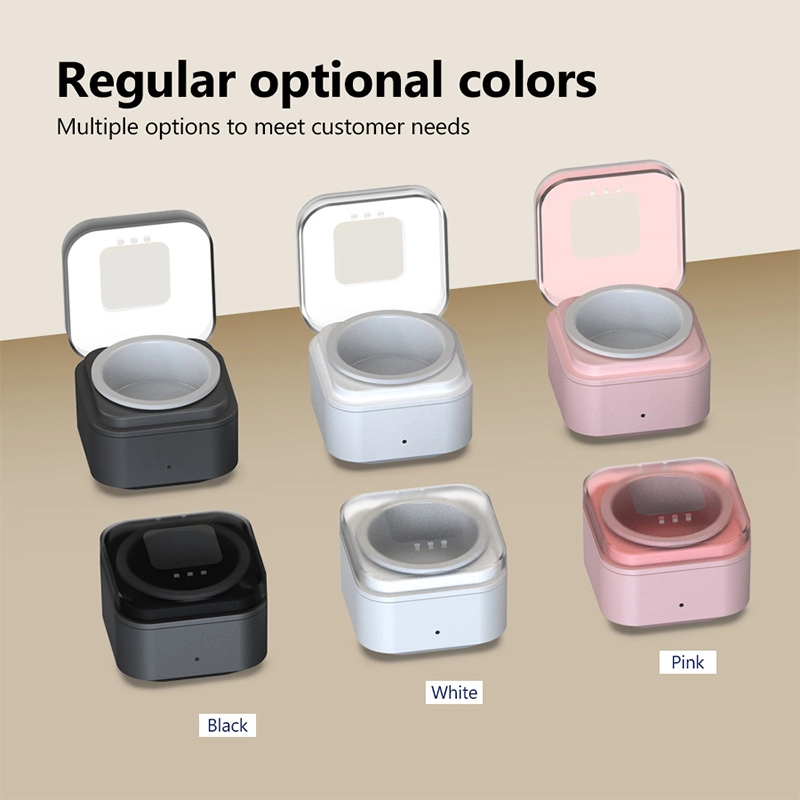
Our AX-002 mini wax warmer combines compact portability with salon-grade performance, delivering salon-worthy hair removal results with zero fuss.
Its fast wax-melting system, precision temperature regulation, and hygienic single-use design guarantee smooth, long-lasting hair-free skin for targeted areas each use. Whether you’re a novice DIY user or a seasoned esthetician, it’s a hassle-free, dependable solution to upgrade your targeted hair removal process.
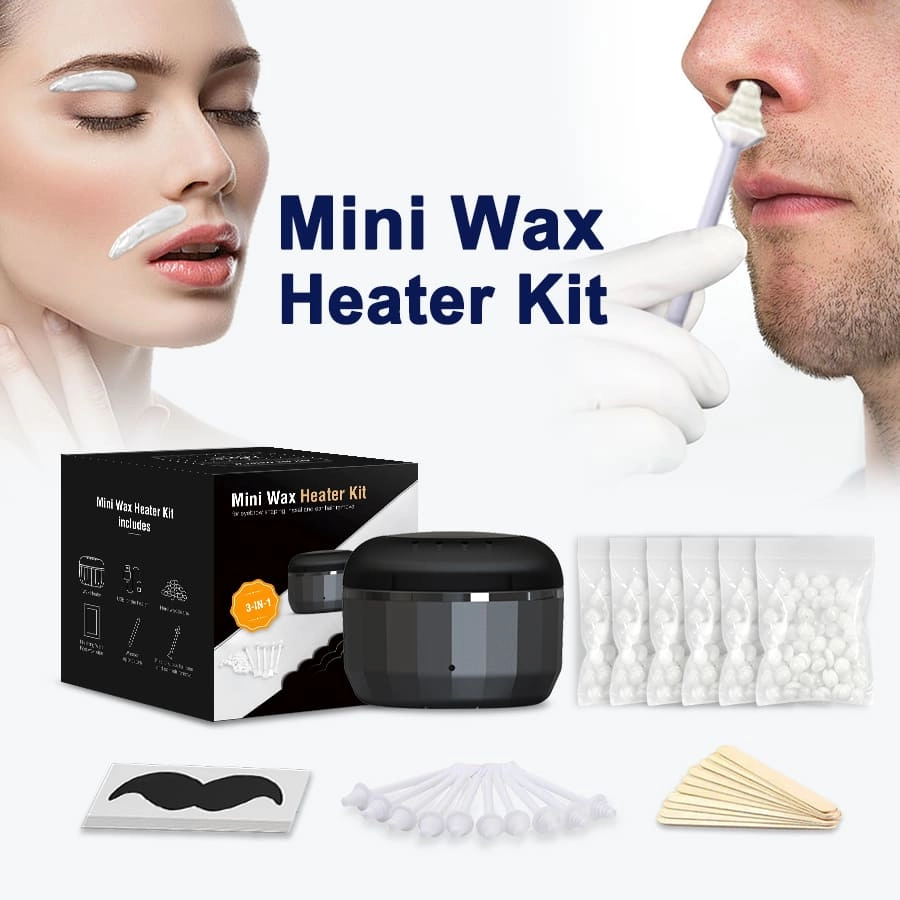
Our AX-001 10ml Mini Wax Warmer Kit combines sleek, compact design with professional-grade waxing performance, delivering flawless precise hair removal for small, delicate areas. This all-in-one complete waxing set features a rapid heat-up system, steady temperature control, and a full range of premium waxing accessories, making it the perfect dependable solution for at-home beginners and professional estheticians alike. Achieve salon-worthy, long-lasting silky smooth skin with zero hassle, every single time.
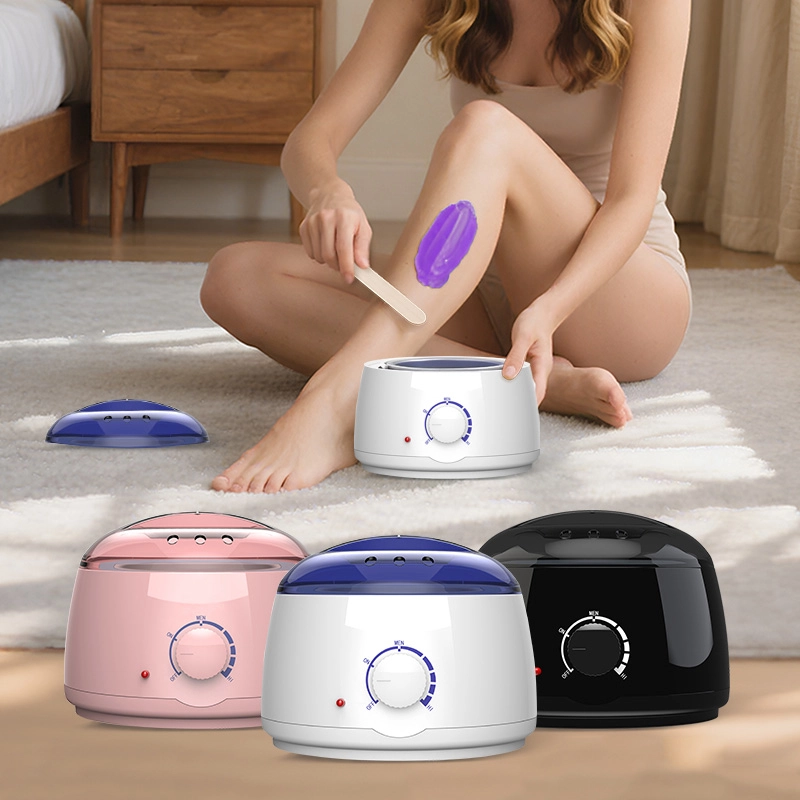
Our waxing heater combines stylish design with professional performance, making salon-quality results effortless.
Its rapid heating technology, consistent temperature control, and skin-friendly formula ensure smooth, long-lasting hair removal every time. Whether you're a beginner or an experienced waxer, it's a quick and reliable way to transform your hair removal routine.
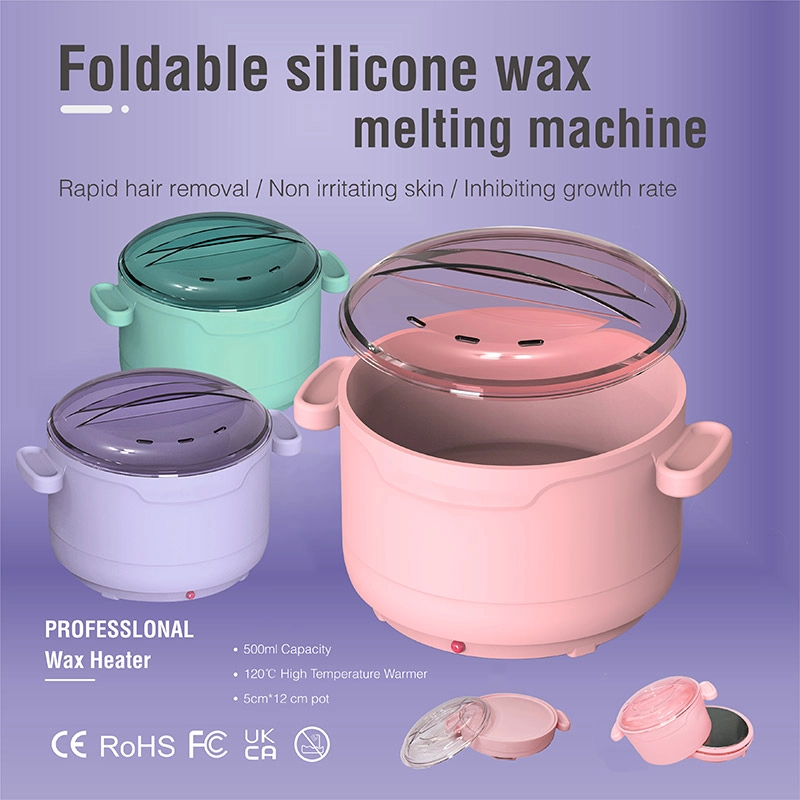
Our LOVECRAZY AX-110 550ml silicone wax heater blends safe, durable silicone material with reliable performance, making salon-quality multi-area hair removal effortless.
Its 30W fast heating, multi-wax compatibility (hard beads/blocks), 100-220V global voltage, and pink design suit salons, home users, and cross-border wholesale for face/eyebrows/body use.
As a premier wax heater manufacturer, LOVE CRAZY delivers top-tier OEM salon beauty equipment and custom manufacturing solutions for global B2B partners.
Contact us at
E-mail: david@lovecrazyhome.com
WhatsApp: +86 189 2777 9907
Tel: +86 0757-85626657/85626627
Address: 4F, Building B, No.18, Yiheng Road, Xiahengtian Industrial Zone,Lishui Town, Nanhai District, Foshan, Guangdong, China
 Scan QR Code
Facebook
Instagram
Instagram
Instagram