









Are portable wax heaters suitable for mobile estheticians? | Insights by LOVE CRAZY
Are Portable Wax Heaters Suitable for Mobile Estheticians? A Manufacturer's Buying Guide
Summary: This article answers six high-value, practitioner-focused questions about using and sourcing portable wax heaters for mobile estheticians. The guidance reflects common manufacturer specifications, regulatory expectations (CE/UL/RoHS), and field-tested best practices from Wax Heater Manufacturers.
1. How do I ensure temperature stability in a portable wax heater during back-to-back mobile appointments?
Why this matters: Temperature drift causes inconsistent wax viscosity, increases the risk of burns or poor hair removal, and wastes time reheating between clients.
Key manufacturer features to demand:
- Accurate thermostat with digital readout and fine control (look for controllers that specify ±1–2°C accuracy in specs).
- PTC (positive temperature coefficient) ceramic or PID-controlled heating elements — these offer faster warm-up and better thermal regulation than basic resistive coils.
- Good thermal mass and insulated housing — a heater pot made of stainless steel or aluminum with a lid reduces heat loss while keeping surface temperature safe.
- Thermal cutoff and automatic shut-off routines that prevent overheating when idle.
Operational best practices:
- Preheat on-site during client check-in to allow the device to stabilize before the waxing starts.
- Use removable liners or small-volume pots for single treatments to keep wax near working temperature without repeatedly reheating a large container.
- Between consecutive clients, use the heater's low-hold mode (if available) rather than turning the unit off and on; this conserves heat and stabilizes temperature faster.
Manufacturer verification steps before purchase:
- Request a spec sheet that lists temperature range, thermostat type, and accuracy.
- Ask for a sample and run a simple temperature-log test during a real appointment cycle to confirm the heater holds setpoint during repeated use.
2. Can portable wax heaters safely operate in my car between client visits, and what power options are best?
Why this matters: Mobile estheticians frequently heat wax on the go. Choosing the right power option affects safety, heat-up time, and operational flexibility.
Common power configurations and considerations:
- AC mains (standard plug): Most professional portable wax warmers are designed for AC power and are the safest, most reliable option when you can access mains power at a client location.
- 12V car adapter: Many manufacturers offer 12V DC car-adapter models. These are useful for short relocations or keeping wax warm between calls but confirm continuous current draw and fuse protection. Ask for in-line fusing and a secure connector to avoid sparks.
- Rechargeable battery models: Some heaters use integrated batteries. These need robust battery-management systems (BMS), over-temperature protections, and proper UN38.3 certification if shipped. Battery models add portability but require planning for recharge cycles and compliance with transport rules for lithium cells.
Safety and operational tips for vehicle use:
- Never operate a heater in a closed vehicle for extended periods—carbon build-up and unsafe surface temps are risks; also avoid leaving devices unattended while heating.
- Secure the heater in a stable, level place and use spill-containment trays to prevent molten wax leaks during transit.
- Check the heater’s power draw specification. High-draw units can trip car fuses or overheat the adapter if the accessory socket is not rated for continuous load.
- For battery-powered heaters, verify charge cycles, charging time, and the manufacturer’s safety certifications (UN38.3 for lithium batteries, plus CE/FCC where applicable).
3. Which portable wax heater designs minimize cross-contamination and are easiest to sanitize in tight mobile setups?
Why this matters: Mobile estheticians operate in constrained environments where infection control and quick cleanup are essential to client safety and workflow.
Design features to prioritize:
- Removable stainless-steel pots or snap-in disposable liners — stainless steel resists staining and is easy to disinfect when cooled; single-use liners or cups reduce cross-contamination risk.
- Smooth, sealed housings without seams or exposed crevices where wax and wax debris can collect—this reduces cleaning time.
- High surface finishes (electropolished or 304-grade stainless) on any wax-contact metal help prevent trapped residue.
- Heatproof, nonporous lids that seal tightly to keep dust, lint and contaminants out when transporting.
Sanitation workflow for mobile use:
- Use disposable applicator sticks and single-use gloves for every client.
- Between clients, remove any disposable liner and wipe any spills with a cloth and appropriate disinfectant when the unit is turned off and cooled to recommended handling temperature.
- Periodically request manufacturer guidance on safe cleaning agents—some coatings may be damaged by harsh solvents.
4. How do I choose a portable wax heater compatible with both hard and soft wax without degrading wax quality?
Why this matters: Many mobile estheticians use multiple wax formulations; a heater that doesn’t preserve wax integrity forces workarounds and increases costs.
Compatibility considerations:
- Temperature range and control: Select a heater that supports the full working range for the wax types you use. Hard wax and soft wax often have different ideal working viscosities, so precise control and low-hold modes are important.
- Pot geometry: Narrow, deep pots are better for soft wax (reducing surface cooling), while shallow, wide pots work well for hard wax that benefits from quicker cooling and thicker application. Some professional portable models offer removable pots in different shapes.
- Lid and stir-friendly access: For some hard wax formulations you need to hand-stir while melting; ensure the device allows safe access without exposing heating elements.
Testing before bulk purchase:
- Ask manufacturers for sample units and test both your typical hard and soft waxes under real-use conditions (melting, hold, reheat cycles).
- Verify the heater does not scorch or discolor wax when held at working temperature for multiple sessions.
5. What manufacturing certifications and test reports should mobile estheticians request from Wax Heater Manufacturers before bulk purchasing?
Why this matters: Manufacturers’ certifications and test reports substantiate safety, regulatory compliance, and electrical reliability—critical for liability and long-term service.
Essential certifications and documents to request:
- CE and RoHS declarations (for sales and safety compliance in many regions).
- UL or ETL listing for electrical safety when supplying North American markets. For battery models, ask for UN38.3 test evidence for lithium cells and any relevant transportation documentation.
- EMC test reports if the device includes wireless or electronic control elements (to ensure no interference with vehicle or medical equipment in mobile settings).
- IP or ingress-protection rating if the device will be exposed to liquids or frequent cleaning (IPx4 or higher is preferable for splash resistance).
- Life-cycle testing or accelerated aging reports, and evidence of burn-in or continuous operation tests to validate longevity claims.
Commercial purchasing best practices:
- Request a full technical dossier and the model’s Declaration of Conformity.
- Ask for production samples, followed by a small pilot order to test real-world reliability and serviceability before committing to large-volume purchasing.
- Clarify warranty terms, spare parts availability, and lead times for replacements—these are important for minimizing downtime for a mobile esthetician.
6. Are lightweight/compact wax heaters robust enough for daily mobile use, and what metrics indicate commercial-grade reliability?
Why this matters: Portability should not compromise durability. Mobile professionals need devices that withstand daily packing, transport, and intensive heat cycles.
Indicators of commercial-grade reliability:
- Materials and build: Metal pots (304 stainless) and reinforced polycarbonate housings are preferable to thin, low-grade plastics.
- Serviceability: Units designed with replaceable heating elements, spare parts, and simple disassembly reduce lifetime cost and downtime.
- Warranty and support: A professional supplier should offer a minimum commercial warranty period (often 12 months or more) and clearly documented service support channels.
- Testing data: Request cycle-life or continuous-operation test data from the manufacturer (how many heating cycles or hours the unit endured in test conditions).
Practical deployment tips for durability:
- Transport heaters in padded carrying cases and keep pots empty during transit to reduce weight and spill risk.
- Rotate between two units if you have heavy daily demand—this reduces wear and keeps a backup available if one unit needs servicing.
- Keep a small spare part kit (fuses, lids, or silicone seals) on hand and confirm the manufacturer’s repair turnaround time.
Final manufacturer-level checklist before you buy: verify thermostat accuracy, confirm power options and in-vehicle safety, insist on removable sanitary pots or disposable liners, test compatibility with your wax types, obtain CE/UL/ROHS/UN38.3 and life-test reports, and secure warranty and spare-parts commitments.
Conclusion: Portable wax heaters, when chosen and specified correctly from reputable Wax Heater Manufacturers, are very suitable for mobile estheticians. The right device combines precise temperature control, appropriate power options (AC, 12V, or certified battery), hygienic removable pots or disposable liners, and verifiable safety certifications. Prioritize manufacturers who provide technical datasheets, sample testing, and transparent warranty/service agreements to ensure reliable, professional-grade performance in mobile settings.
If you want a tailored recommendation or a quote for bulk or OEM portable wax heaters, contact us at www.lovecrazyhome.com or email david@lovecrazyhome.com.
FAQ
AX-350
Do you provide samples for B-end bulk ordering of AX-350?
Yes, paid samples are available; sample fees are refundable on bulk orders.
Does AX-350 have certifications for cross-border wholesale?
Yes, it has CE, FDA and RoHS certifications, compliant with global market standard
AX-700
Does AX-700 support OEM branding services for B-end clients?
Yes, we offer OEM.
F0
Do you offer samples for F0 bulk orders?
Yes, paid samples are available; fees will be fully refunded when placing bulk orders.
AX-100
Is the material of AX100 safe?
It’s made of high-quality heat-resistant PP material, which is non-toxic, eco-friendly, and won’t deform under high temperatures for safe long-term use.
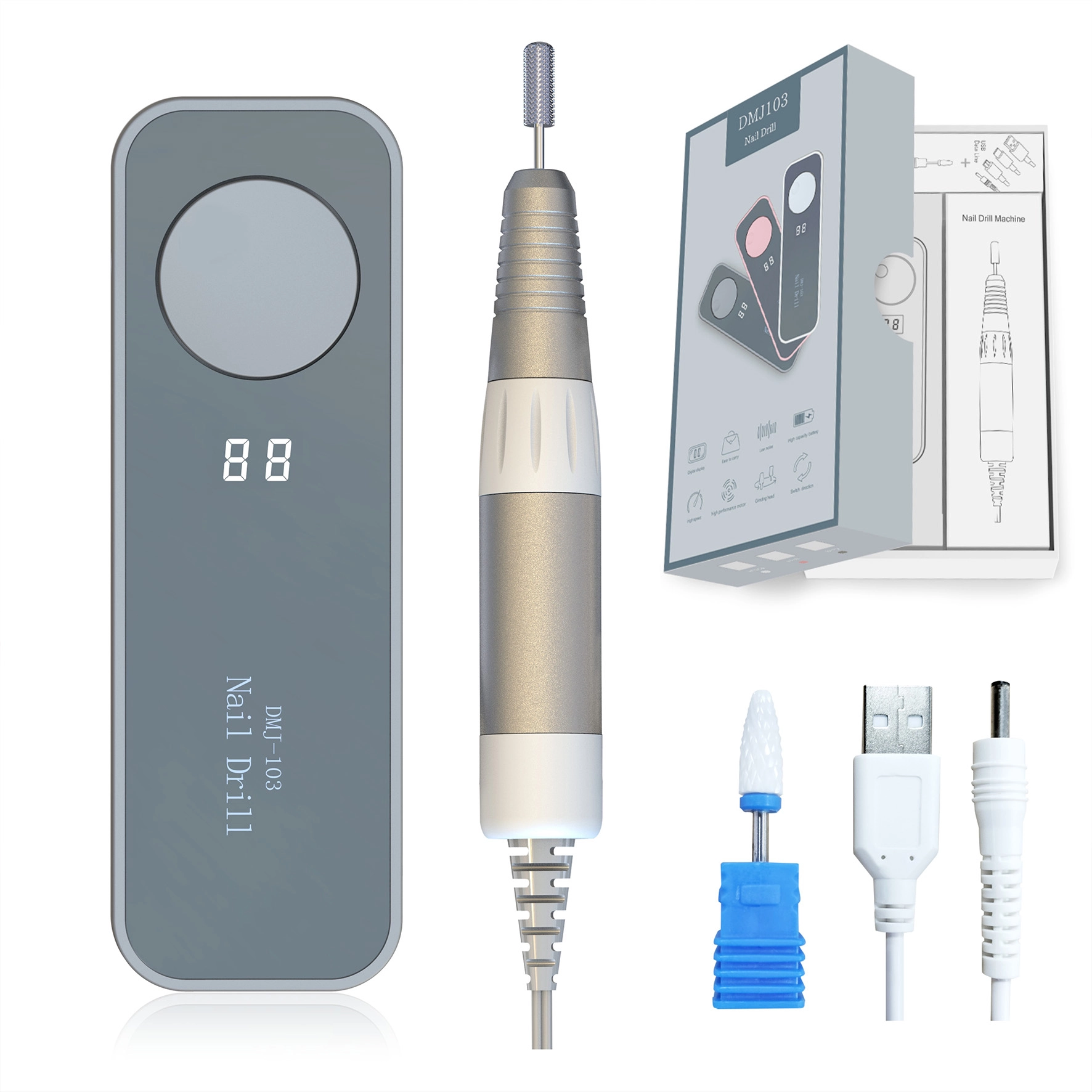
Equipped with a high-performance motor delivering up to 35000 RPM adjustable speed, this nail drill provides consistent, smooth power for all professional nail services — including gel polish removal, nail shaping, cuticle care, and acrylic nail work. The clear digital display ensures precise speed control, allowing nail technicians to deliver uniform, high-quality results for every client even during busy salon hours.
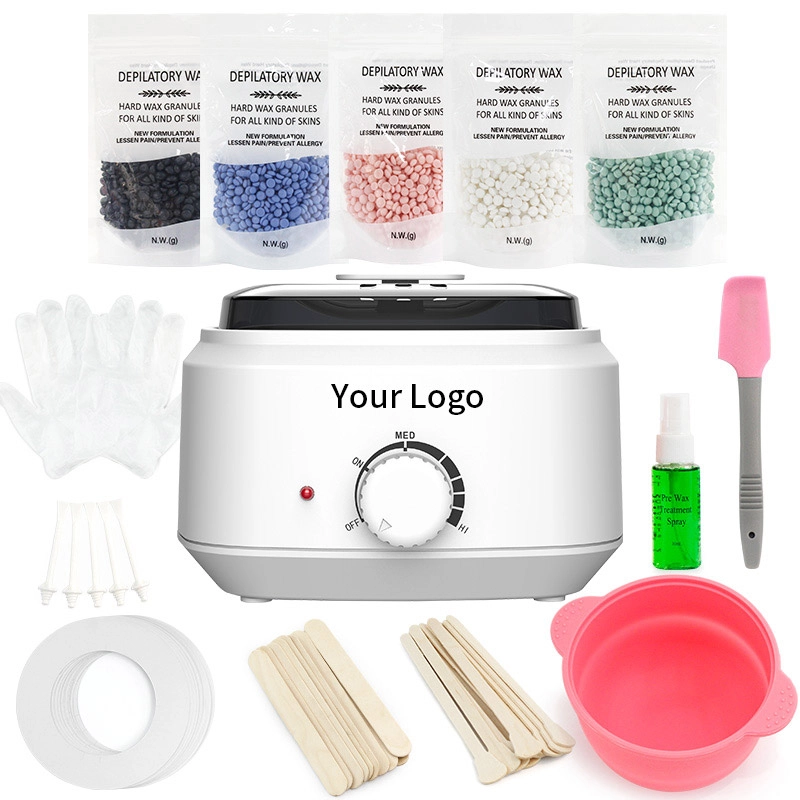
AX-200 500ml PP wax heater blends durable, high-quality material with salon-grade performance, making full-body multi-area hair removal seamless.
Its 100W fast heating, hard wax compatibility (beads/blocks), 100-220V global voltage, and multi-color options suit salons, home users, and cross-border wholesale for face/eyebrows/body use.

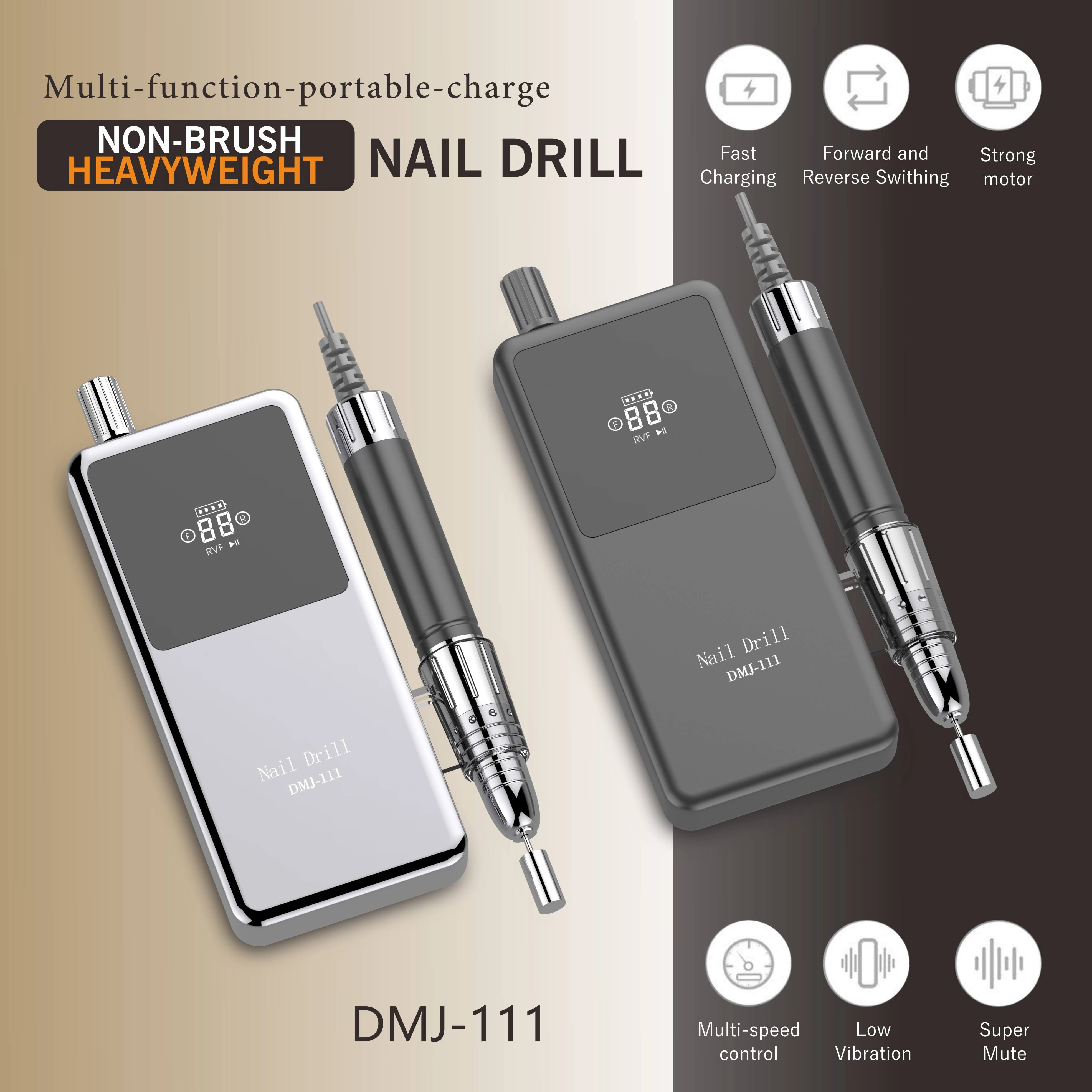
The DMJ-111 cordless rechargeable nail drill from LOVE CRAZY delivers salon-grade precision and performance in an ultra-slim, premium stainless steel body. As a leading Foshan-based beauty equipment manufacturer with 14+ years of industry experience, we designed this model for both fixed salon use and on-the-go mobile services, with stable 35000 RPM high-speed performance, long-lasting battery life, and durable build. We also provide full OEM/ODM solutions for global B2B beauty brands, salon chains, distributors, and wholesalers.
As a premier wax heater manufacturer, LOVE CRAZY delivers top-tier OEM salon beauty equipment and custom manufacturing solutions for global B2B partners.
Contact us at
E-mail: david@lovecrazyhome.com
WhatsApp: +86 189 2777 9907
Tel: +86 0757-85626657/85626627
Address: 4F, Building B, No.18, Yiheng Road, Xiahengtian Industrial Zone,Lishui Town, Nanhai District, Foshan, Guangdong, China
 Scan QR Code
Facebook
Instagram
Instagram
Instagram