









what is the difference between ptc heating and traditional wire heating in wax warmers? | Insights by LOVE CRAZY
What is the difference between PTC heating and traditional wire heating in wax warmers?
Many buyers and OEMs ask: what is the difference between ptc heating and traditional wire heating in wax warmers? This guide answers six specific, often-overlooked buyer questions with practical, data-driven detail for product managers, procurement teams, and Wax Heater Manufacturers evaluating heater technologies for melting scented and depilatory wax.
1) Will PTC heating actually reduce wax scorching and scent degradation compared to resistive wire heaters?
Short answer: yes—in most wax-warmer use cases. Ceramic PTC (positive temperature coefficient) heating elements are self-regulating: their electrical resistance rises as temperature increases, limiting current and stabilizing surface temperature without complex control electronics. That self-regulation reduces hot spots and peak temperatures that cause thermal degradation of scented additives and colorants.
Practical detail for manufacturers: traditional resistive wire heating (typically nichrome or similar alloy wound on mica or ceramic formers) produces localized hot spots where the wire is closest to the wax or to the heater’s contact points. Those hot spots can exceed designed operating temperature during warm-up or if a thermostat fails, increasing the risk of scorching, scent volatilization and color changes. PTC elements spread heat more uniformly across a ceramic surface, so the wax is heated more evenly and less aggressively at a microscopic level.
Testing approach: run a side-by-side accelerated aging test—continuous operation at target melt temperature for 72–168 hours—measuring volatile organic compound (VOC) emissions and scent intensity (via organoleptic panel or GC-MS if available). PTC-equipped warmers typically show lower VOC spikes and less scent loss under equal conditions.
2) Which technology gives tighter temperature control for bulk wax melting and repeatable cycle times?
PTC heating elements generally deliver tighter, more repeatable temperature control for steady-state melting. Because PTC materials increase resistance with temperature, they inherently throttle power as they approach a defined temperature range; this typically yields temperature stability within a narrower band compared with bare wire heaters that rely on external thermostats or bimetal switches.
Why it matters: in production or salon settings where you need predictable warm-up and re-melt cycles (e.g., moving 1–5 kg batches of wax or keeping multiple reservoirs at consistent viscosity), PTC heaters reduce the number of temperature overshoots and undershoots. That improves process control and reduces material waste.
Integration note: if a precise setpoint is required (±1–2°C), many manufacturers pair PTC elements with a PID controller and a properly placed thermocouple. This hybrid delivers the safety and even heating of PTC with the precision of closed-loop control.
3) How do PTC and wire heaters compare on safety, regulatory compliance and field failure modes?
Safety: PTC technology is inherently safer against thermal runaway because the element self-limits. This reduces risks of overheating if a thermostat or control circuit fails. Traditional wire heaters can get much hotter locally, increasing fire and burn risk if protections are inadequate.
Regulatory/compliance impact: both PTC and wire-based warmers must meet applicable standards (CE, UL/ETL where relevant, and RoHS for materials). From a certification perspective, PTC-based designs can simplify thermal safety justification in test reports because of their self-limiting behavior, but manufacturers still must validate insulation, creepage, clearance, and surface temperature requirements under standard test protocols.
Failure modes: common field failures for wire heaters include wire breakage due to mechanical stress or oxidation, loss of contact at terminals, and localized burnout. PTC ceramics are brittle and can crack if mechanically abused, but they are less likely to exhibit progressive resistance changes leading to overheating—it’s usually a binary failure (intact or cracked). Proper potting, strain relief, and mechanical design in the heater assembly mitigates both risks.
4) From an OEM/manufacturer perspective: what is the total cost of ownership (TCO) difference between PTC and wire heaters?
Initial BOM cost: traditional resistive wire heating assemblies are often cheaper to source and assemble at low volumes. Nichrome coils, mica insulators and simple thermostats are low-cost components and familiar to many contract manufacturers.
Operational and lifecycle costs: PTC heaters tend to have longer mean time between failures (MTBF) in steady-use scenarios due to fewer thermal cycling stresses and reduced oxidation issues. They can reduce energy consumption in real-world usage because the element naturally reduces current as it reaches target temperature, though the actual savings depend on duty cycle and insulation design.
Purchasing guidance: calculate TCO over the expected service life (e.g., 3–5 years). Include initial unit cost, expected warranty repairs/replacements, energy use based on typical duty cycle, and warranty/service labor. In higher-duty commercial applications (salons, production), the higher upfront cost of PTC often pays back via reduced downtime, fewer warranty claims and lower energy bills.
5) What manufacturing quality checks and test protocols should I require from a Wax Heater Manufacturer when specifying PTC vs wire heaters?
QC checklist items to include in your supplier contract:
- Incoming material certification (RoHS declaration, ceramic material specs for PTC, alloy spec for wire/coil).
- Thermal profiling and surface temperature mapping using thermocouples and IR thermography to confirm evenness and peak temps at specified setpoints.
- Electrical tests: insulation resistance, hipot (where applicable), continuity, and resistance tolerance checks for PTC elements and coil assemblies.
- Cycle life testing: accelerated on/off cycling to simulate thousands of home or salon cycles. Industry buyers commonly request documentation showing thousands of cycles under load.
- Environmental testing (humidity, thermal shock) if product will be used in variable climates.
- Third-party certification evidence: UL/ETL/CE test reports for the complete assembled unit, not just component declarations.
Require sample test reports and request an initial production run that’s subjected to your chosen acceptance tests before full-scale order release.
6) For specialty waxes (soy, beeswax, hard depilatory wax), which heating method preserves wax properties and provides the best melt profile?
Different wax chemistries have different melting ranges and sensitivity to prolonged high temperatures. Soy and beeswax are more sensitive to prolonged high localized temperatures (they can discolor or develop off-odors if overheated). Hard depilatory waxes for hair removal often require higher peak temperatures for proper melting and pourability.
Recommendation by wax type:
- Soy and beeswax (low-to-mid melting point): PTC heating is generally preferable because its even surface temperature reduces hotspots that cause scorching and scent/fatty acid breakdown.
- Formulated scented paraffin blends: PTC helps preserve fragrance longevity but pairing with a PID controller may be needed if strict setpoints are required.
- Depilatory/hard waxes: a PTC element designed for a higher nominal temperature range or a hybrid approach (wire heater with robust thermostat/over-temperature cutout) can be appropriate. Ensure your heater can reliably reach the required melt point while maintaining safety cutoffs.
Manufacturing note: ask your supplier for temperature ramp curves (time-to-melt) and steady-state thermocouple logs for the specific wax formulation you plan to use. These empirical curves are the best way to match heater type to wax chemistry.
Concluding advantages summary
When selecting between PTC heating and traditional resistive wire heating in wax warmers, consider these advantages of PTC: safer self-regulation with fewer thermal runaways, more even heat transfer that preserves scent and prevents scorching, tighter steady-state temperature control, and often lower lifecycle maintenance and warranty costs—especially in commercial settings. Traditional wire heaters remain attractive for lower upfront BOM cost and simple designs where peak temperature control is tightly managed by external thermostats.
For procurement: specify the required temperature range, desired control precision, expected duty cycle, and required certifications (CE/UL/ETL, RoHS). Require thermal profiling, cycle testing, and third-party certification evidence from your Wax Heater Manufacturer before approval.
If you need a custom quote or technical datasheets for PTC-based or wire-based wax warmers, contact us for a quote at www.lovecrazyhome.com or email david@lovecrazyhome.com.
FAQ
AX-300
What’s the packaging specification for AX-300 bulk shipping?
12 units per carton (57×38×30.5cm), gross weight 8kg, fit for international logistics.
AX-258A
What is the MOQ for AX-258A's logo customization, and what is the process?
The MOQ for logo customization is 300 units per color. After you provide your brand logo file, we will first send a design draft for your confirmation. Once confirmed, we will arrange production. The customization cycle is about 3-5 working days (excluding mass production time).
DMJ-111
What's the MOQ for your nail drill bulk orders?
1 unit for samples, 10carton for standard wholesale, OEM MOQ is negotiable.
WAX-2200
Does AX-2200 have safety protection features?
Yes, it is equipped with overheat protection that automatically powers off when the temperature is abnormal.
AX-002
What’s the MOQ for LOVECRAZY AX-002 bulk orders?
The MOQ for AX-002 is 300 units; long-term partners can get flexible adjustments based on order volume.
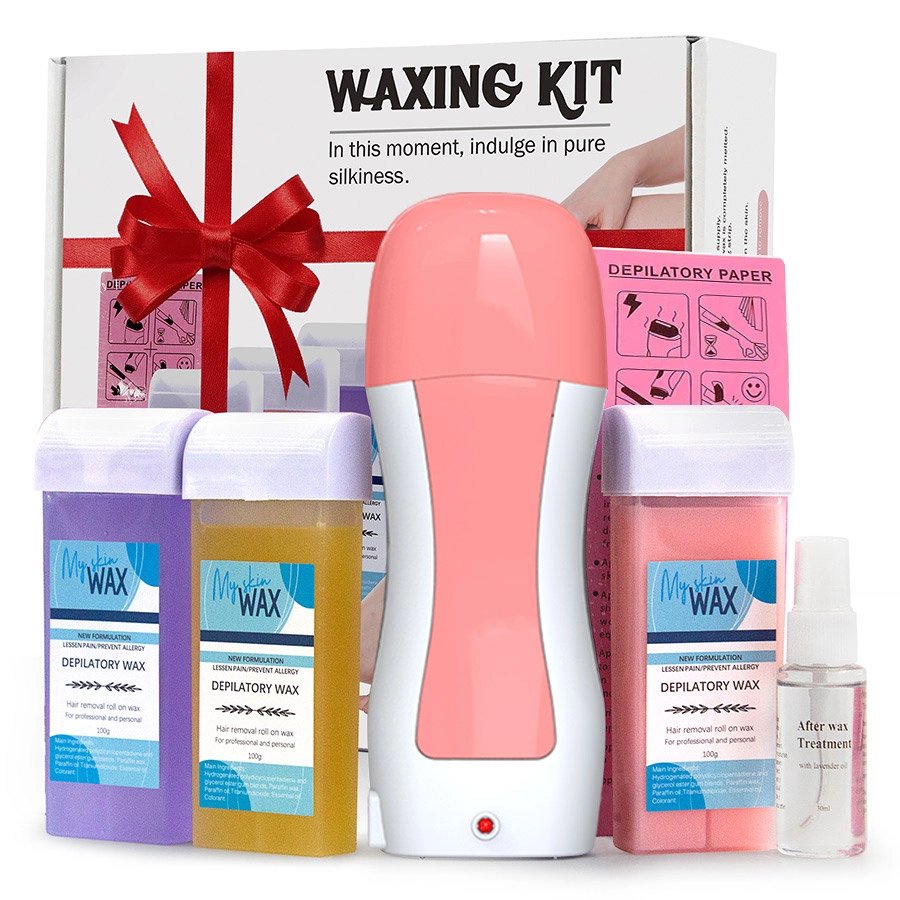
LOVECRAZY F3 is a portable handheld wax warmer tailored for targeted hair removal . It boasts a stylish two-tone body with multi-color options , matching diverse aesthetic preferences.
Crafted from high-quality ABS plastic, this compact device features a 100ml inner pot—ideal for small-area use without wax waste. Its 40W heating power melts hard wax beads/blocks fully in 8-10 minutes.
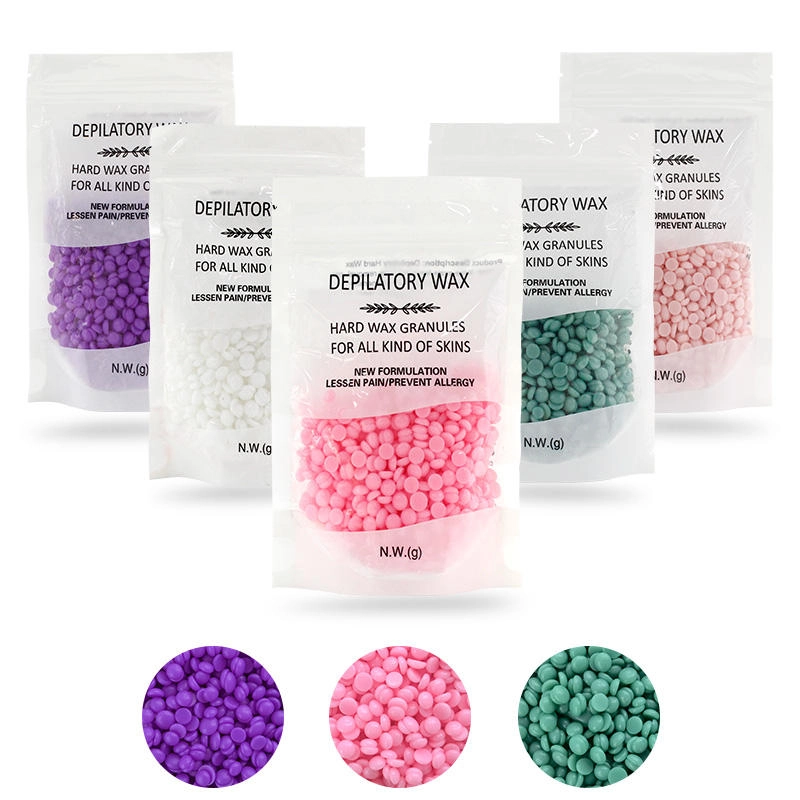
LOVE CRAZY hard wax beans offer an easy and effective solution for hair removal.
They melt quickly, spread smoothly, and remove hair from the root without strips. Suitable for bikini, face, underarms, and full body, the formula is gentle on skin while delivering strong hair removal performance.
Ideal for salon use, home waxing, and OEM private label projects.
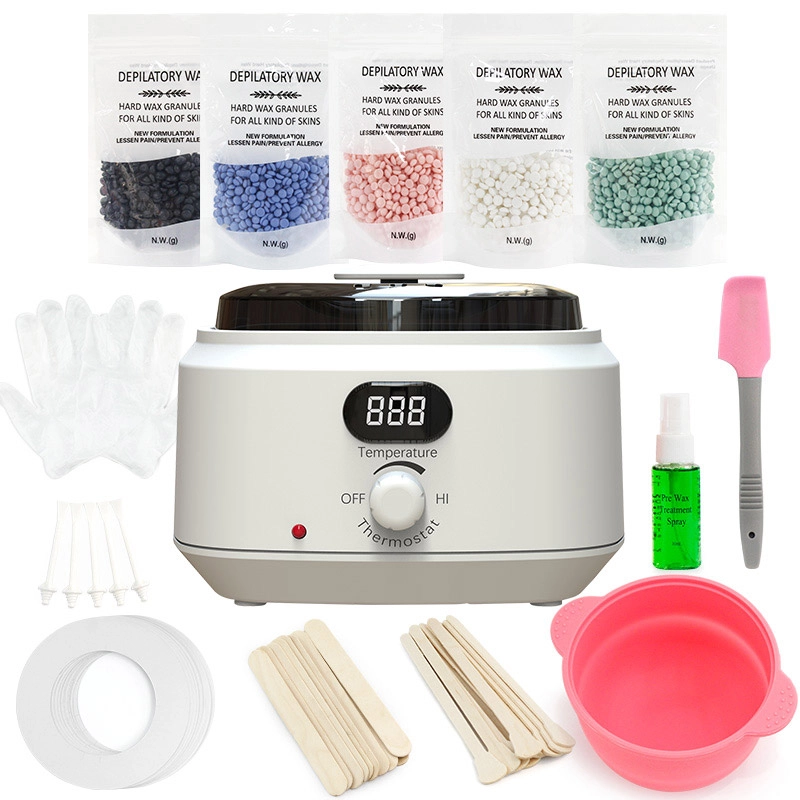
With a sleek soft finish and a transparent dust-proof lid (for easy wax status monitoring), our LOVECRAZY AX-200A 500ml PP wax heater blends aesthetic appeal with practical salon-grade performance.
Its intuitive knob-style temperature control pairs with 100W rapid heating to melt hard wax beads/blocks quickly; the 500ml capacity covers full-body multi-area hair removal, while 100-220V global voltage & multi-plug options suit salons, home users, and cross-border wholesale.
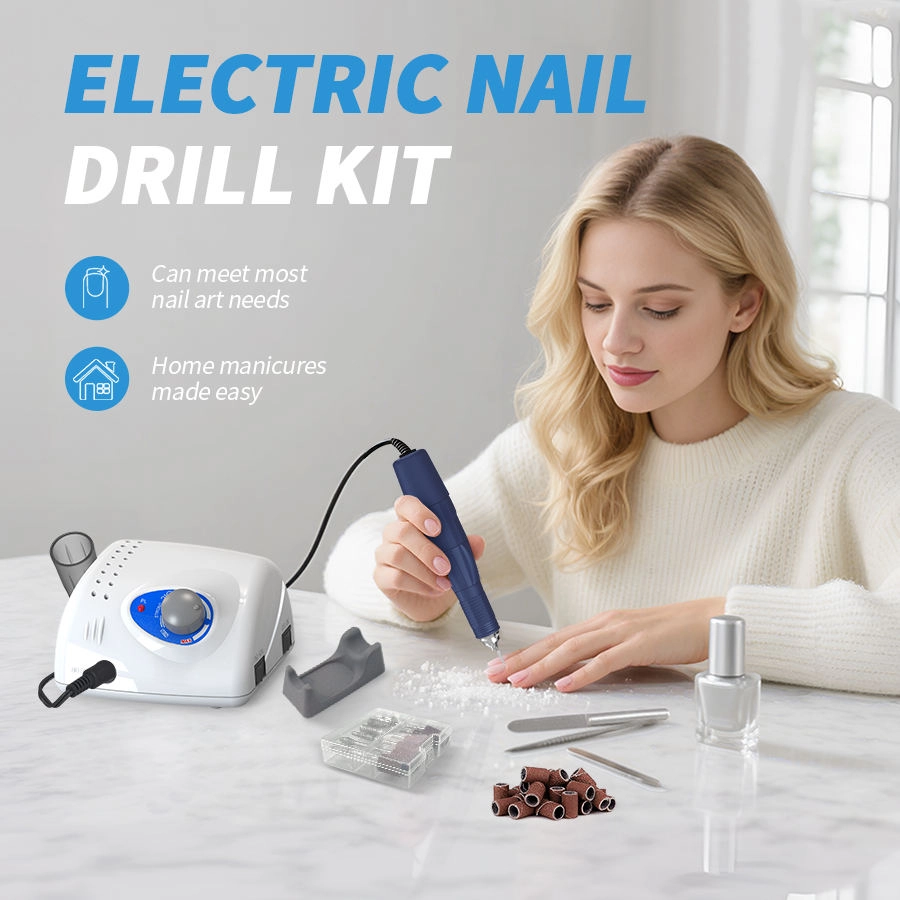
As a premier wax heater manufacturer, LOVE CRAZY delivers top-tier OEM salon beauty equipment and custom manufacturing solutions for global B2B partners.
Contact us at
E-mail: david@lovecrazyhome.com
WhatsApp: +86 189 2777 9907
Tel: +86 0757-85626657/85626627
Address: 4F, Building B, No.18, Yiheng Road, Xiahengtian Industrial Zone,Lishui Town, Nanhai District, Foshan, Guangdong, China
 Scan QR Code
Facebook
Instagram
Instagram
Instagram