








how much does a quality waxing kit typically cost? | Insights by LOVE CRAZY
As an experienced observer of wax heater manufacturers and the waxing-supplies market (retail platforms, manufacturer catalogs and wholesale marketplaces 2022–2024), this guide answers six specific beginner pain points about how much a quality waxing kit typically costs and what really drives price. Embedded semantic intent terms such as wax heater price, professional waxing kit cost, wholesale wax warmer, hard wax beads price and home waxing kit cost are used naturally so you can compare offerings and make purchase decisions with confidence.
1) How much does a quality waxing kit typically cost for home-use compared with salon-grade, and what defines “quality”?
Typical price ranges observed across major retail channels (consumer marketplaces, branded sites and beauty-supply distributors) are:
- Home-use quality waxing kit: roughly $30–$120. These kits usually include an electric or cartridge wax warmer (plastic or basic metal pot), a starter supply of wax (cartridges or beads ~100–500 g), wooden spatulas, and post-wax oil or wipes.
- Entry-level salon-grade single-pot heater: typically $80–$250 retail. Expect thicker housings, metal pots (aluminum or stainless), more precise manual thermostats and larger capacity (300–800 mL).
- Professional digital/dual-pot heaters and trolley kits: commonly $200–$600+. These include digital thermostats, fast heat-up, dual pots (soft wax + hard wax), stainless steel construction, and warranties/support aimed at daily commercial use.
What defines “quality” and justifies higher price: durable materials (stainless steel pot vs thin plated metal), reliable temperature control (digital PID or accurate thermostats), consistent wattage and power rating for fast recovery between clients, certifications (CE/UL for regulated markets), higher-capacity reservoirs, and manufacturer support/warranty. If you will wax multiple clients per day, a professional-grade heater is a better investment despite higher upfront wax heater price because it reduces downtime and safety risks.
2) What extra costs should I budget beyond the visible price of a waxing kit (hidden or recurring expenses)?
Many beginners focus on the kit price and miss recurring and indirect expenses that affect total cost of ownership:
- Consumables: hard wax beads, soft wax cartridges, pre-wax cleansers and post-wax oils. Typical retail ranges (market observations): hard wax beads and soft wax can vary greatly by brand and formulation; budget for ongoing monthly spend depending on volume—small at-home users might spend $10–$30/month, a busy brow/body technician can spend $100–$600+/month.
- Replacement parts and maintenance: replacement pots, thermostats, heating elements, or cartridges for some systems. Expect occasional part replacement costs or service fees for commercial heaters in the $20–$150 range depending on part and warranty coverage.
- Consumable packaging and hygiene supplies: strips (if using soft wax), gloves, antiseptic wipes, client disposable cover/linens—these add up per client (often $0.10–$1.50 extra per service).
- Shipping, import duties and taxes: if sourcing from manufacturers overseas, factor freight, customs and local certification testing into unit landed cost—this can add 5–25% or more depending on origin and volume.
- Training & liability: certification or training courses for professional waxing increase effective cost-per-technician but reduce risk and improve outcomes.
Bottom line: when comparing wax heater price or kit cost, calculate the first-year total cost: kit price + estimated 12 months of consumables + projected maintenance + any shipping/import fees. For salons, that gives a realistic picture of payback when upgrading to a more expensive but more durable wax warmer.
3) Do UL/CE/ETL and safety features make waxing heaters significantly more expensive—and are they worth it?
Yes—certifications and built-in safety features influence both upfront wax heater price and long-term risk/costs:
- Certifications: CE (EU), UL/ETL (North America), and RoHS affect manufacturer processes and testing costs. Certified units often retail at a High Quality compared with uncertified imports because manufacturers must meet regulatory labs and documentation requirements. For small appliances, the certification High Quality is commonly $10–$60 per unit at retail depending on the model and market.
- Safety features that elevate cost but reduce liability: reliable thermostats or digital PID controls, auto-shutoff, thermal fuses, cool-touch housings, and UL/CE-listed heating elements. For salons and professionals, these are usually worth the additional price because they lower burn risk, reduce insurance exposure and improve customer trust.
- Insurance and compliance: some commercial insurance providers require certified equipment to minimize claim risk. Using uncertified heaters may invalidate parts of business insurance or raise High Qualitys.
Recommendation: for home users, a certified basic heater is a reasonable safety baseline. For professionals, prioritize CE/UL-certified, commercial-grade wax warmers because the incremental price is often small relative to the cost of an insurance claim or a client injury.
4) For small salons: at what heater price point can I expect reliable durability, easy servicing, and acceptable uptime?
Small salons should evaluate warranty, materials and service network over lowest sticker price. Based on manufacturer specifications and salon-owner feedback in 2022–2024, practical thresholds are:
- $80–$150: expect a solid single-pot commercial heater suitable for low-to-moderate daily volume (2–6 clients/day). Look for metal housing, replaceable pots, and at least a 6–12 month warranty.
- $150–$350: professional digital single- or dual-pot heaters that comfortably serve medium volume (6–20 clients/day). Benefits include faster recovery time, digital temperature stability, stronger build quality, and multi-year warranties or accessible replacement parts.
- $350+: heavy-duty salon trolleys/booths and integrated heating systems for high-volume operations. These systems are engineered for continuous use and frequently come with advanced service plans from the manufacturer or distributor.
Other practical durability indicators: replaceable metal pots (not glued-in), standard electrical components (easy to repair), brand availability in your region (spare parts), and documented Mean Time Between Failures (MTBF) or service reports if supplied by the manufacturer. Paying a moderate High Quality for digital temperature control and proven build materials typically translates into fewer service interruptions and a lower effective cost-per-service.
5) What are realistic wholesale price ranges, MOQs and negotiating levers when sourcing wax warmers and full kits from wax heater manufacturers?
If you plan to source directly from manufacturers (OEM/ODM channels), observed wholesale realities are:
- Typical FOB wholesale price ranges (approximate, observed across global supply platforms 2022–2024): simple home-use electric warmers $12–$40/unit wholesale; basic commercial single-pot heaters $30–$120/unit; digital/dual-pot commercial units $80–$250/unit depending on features and certifications.
- Minimum order quantities (MOQs): small consumer models may be available with MOQs of 100–500 units; higher-spec professional models often require MOQs of 200–1000 units unless you accept higher unit pricing for smaller sample orders.
- Negotiation levers: higher MOQs, longer lead times, bundled accessory orders (wax beads, spatulas, packaging), and requesting existing certified models (instead of new tooling) reduce unit price. Requesting price tiers for 500/1,000/5,000 units is typical.
- Hidden manufacturer fees: tooling costs for custom housings or branding, custom packaging, and certification testing can add one-time costs—budget $500–several thousand depending on complexity. For rebranded, existing designs these are often avoidable.
Before ordering, request samples with stated certifications and test them in your local environment. Ask the manufacturer for documented test reports and check references. For many buyers the safest path is to pay slightly higher for an existing certified SKU rather than invest in tooling and certification for a private-label heater unless you will scale to several thousand units.
6) How do long-term consumable costs (hard wax beads, cartridge wax) change the real cost-per-service, and when does buying a High Quality heater pay off financially?
Consumable cost-per-service depends on product format, service area and technique. Factors and practical estimates from supplier pricing and salon operations:
- Hard wax vs. soft wax cartridges: hard wax beads are measured by grams used per area—bikini/underarm services use less per application than full legs. Cartridges simplify application and speed but often cost more per gram. Expect wide brand variance; budget-conscious salons shop wholesale to reduce hard wax beads price or cartridge price per unit.
- Cost-per-service example (illustrative ranges based on supplier price bands and typical usage): for a leg wax using hard wax beads, consumable cost might range from $1.50–$6 per client depending on brand and efficiency; for smaller services (brows), consumable cost can be below $0.50. These are broad but align with real-world salon margins gathered from industry forums and distributor price lists.
- When a High Quality heater pays off: if a higher-priced heater reduces per-service time (faster heat-up, quicker recovery) and reduces product waste (more consistent temperature yields less charred/overheated wax), your labor and consumable savings compound. For medium-to-high-volume salons (dozens of services weekly), the High Quality heater can pay back in months via increased throughput and lower wastage.
Actionable tip: calculate your clinic’s break-even. Estimate additional upfront heater cost, then estimate weekly labor or consumable savings (e.g., 10% less wax waste or one extra client per day). Use that to compute months-to-payback before purchasing a High Quality wax heater.
Final notes and recommendations: When assessing how much a quality waxing kit typically costs, look beyond sticker price. Consider certification, materials, warranty, consumable supply chains, spare-part availability and real-world throughput. For home users, a $30–$120 certified kit often suffices. For salons, investing in a $150–$350 professional-grade warmer with CE/UL certification and reliable local service typically lowers total cost-of-ownership and reduces operational risk.
Contact us for a quote or to discuss customized wholesale options at www.lovecrazyhome.com or david@lovecrazyhome.com.
FAQ
F0
What types of wax is F0 compatible with?
It is fully compatible with all hard wax beads, hard wax blocks, and wax strips, suitable for targeted hair removal scenarios.
F10
How to clean the F10 after use?
After the device cools down, you can either wipe the non-stick inner pot with a damp cloth or peel off the solidified wax. The detachable parts can be cleaned separately for more thorough hygiene.
AX-100
Is the material of AX100 safe?
It’s made of high-quality heat-resistant PP material, which is non-toxic, eco-friendly, and won’t deform under high temperatures for safe long-term use.
AX-300
How to clean stubborn wax residue on AX-300?
Let wax cool and solidify, then peel it off gently—PP inner container is non-stick.
DMJ-141
Does DMJ-141 support OEM/ODM logo customization?
Yes, full OEM/ODM customization is available for bulk orders.
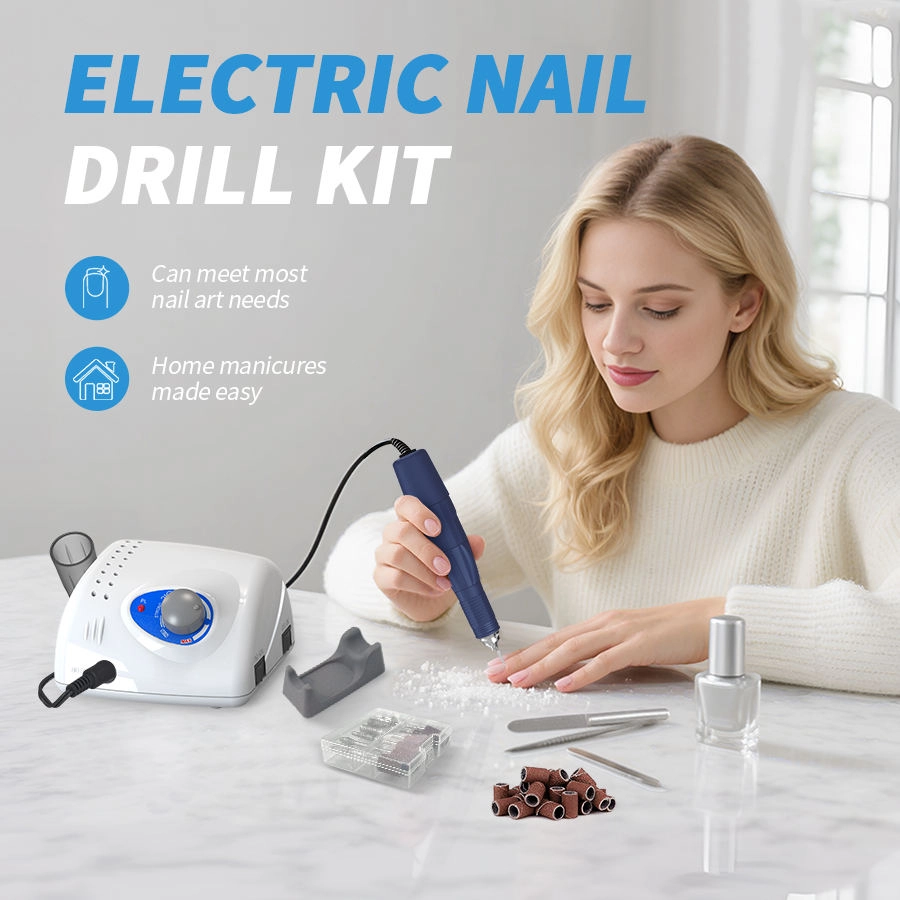
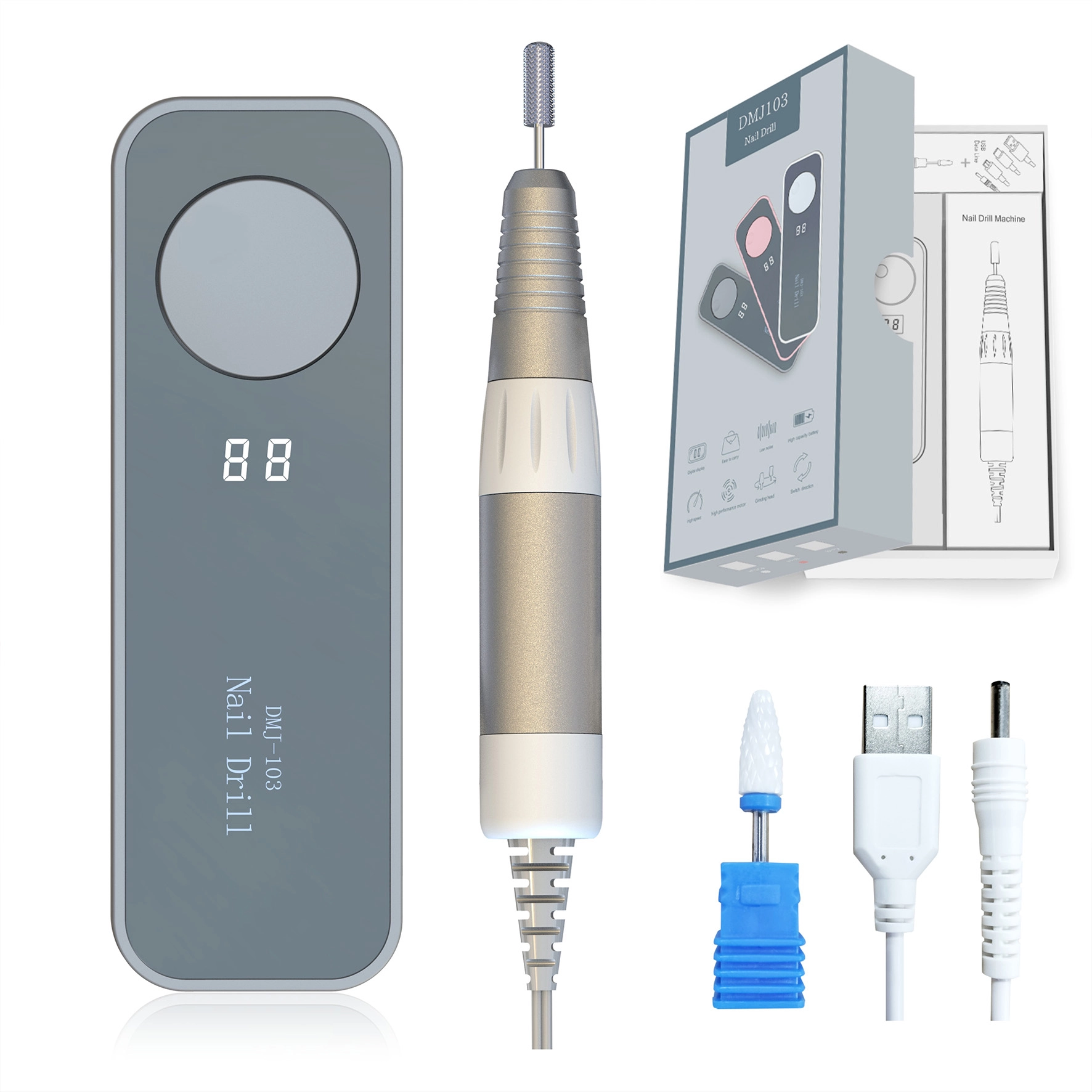
Equipped with a high-performance motor delivering up to 35000 RPM adjustable speed, this nail drill provides consistent, smooth power for all professional nail services — including gel polish removal, nail shaping, cuticle care, and acrylic nail work. The clear digital display ensures precise speed control, allowing nail technicians to deliver uniform, high-quality results for every client even during busy salon hours.
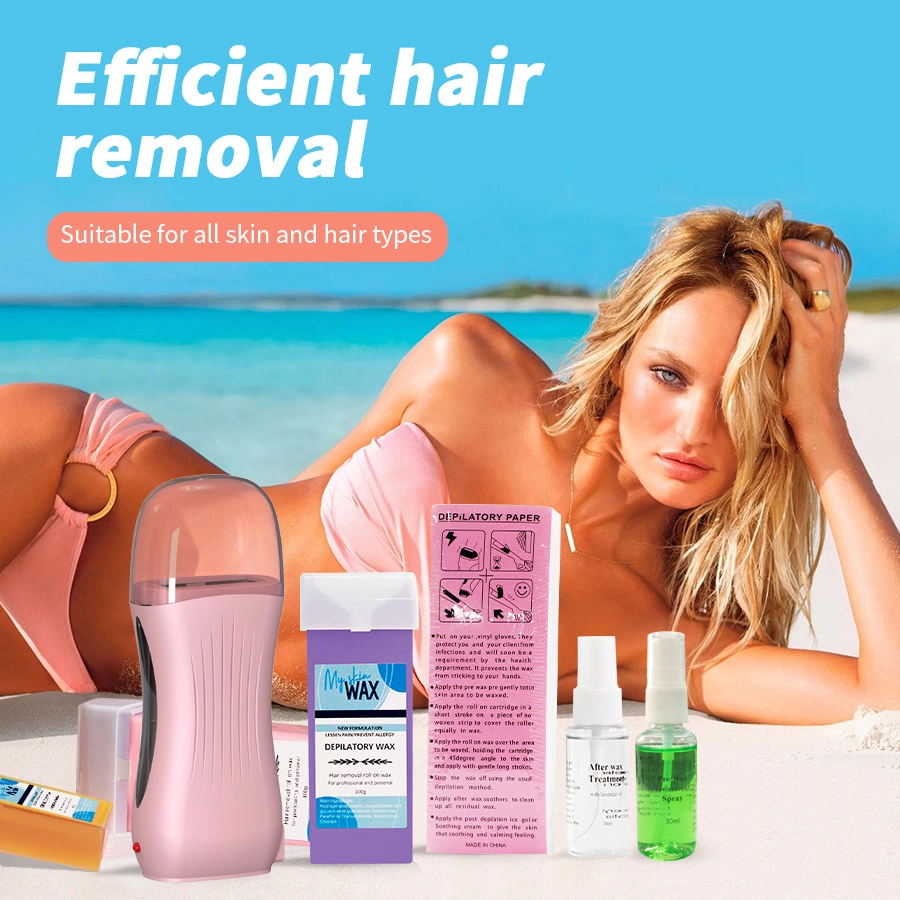
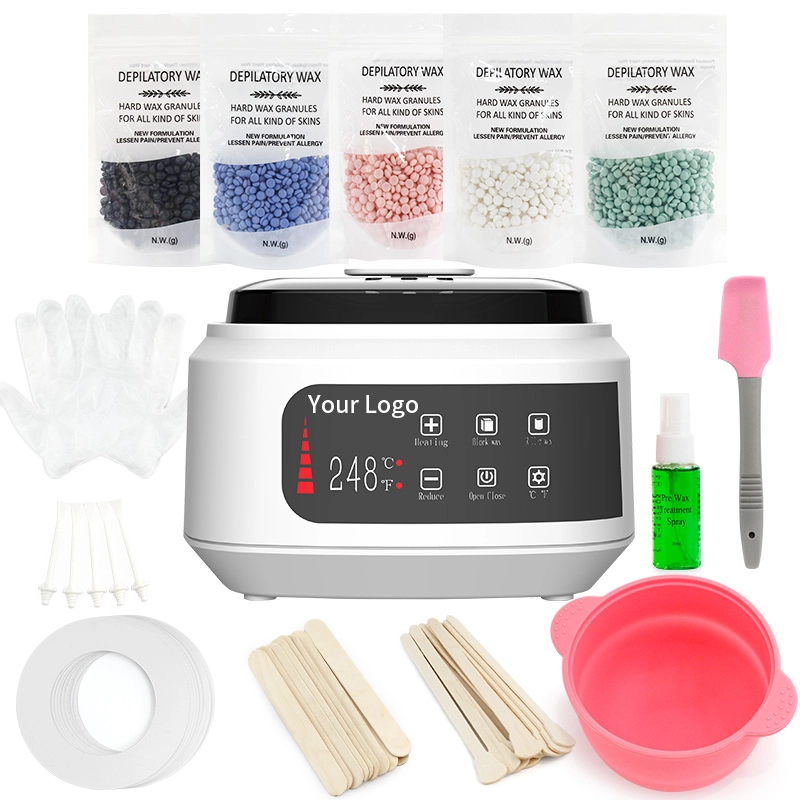
The LOVECRAZY AX-700 wax heater features an intuitive touchscreen panel—equipped with preset modes and switchable ℉/℃ dual temperature display for flexible operation. It’s crafted from high-quality PP plastic, balancing sturdiness with a gentle, decor-friendly appearance.
Powered by 120W efficient heating, it melts hard wax beads/blocks quickly; its 500ml capacity covers multi-area hair removal in a single cycle. It supports 100-220V global voltage , making it suitable for cross-border wholesale. Post-use cleaning is hassle-free: let residual wax solidify, then peel it off easily.
As a premier wax heater manufacturer, LOVE CRAZY delivers top-tier OEM salon beauty equipment and custom manufacturing solutions for global B2B partners.
Contact us at
E-mail: david@lovecrazyhome.com
WhatsApp: +86 189 2777 9907
Tel: +86 0757-85626657/85626627
Address: 4F, Building B, No.18, Yiheng Road, Xiahengtian Industrial Zone,Lishui Town, Nanhai District, Foshan, Guangdong, China
 Scan QR Code
Facebook
Instagram
Instagram
Instagram