









single handpiece e-file nail drill wholesale | Insights by LOVE CRAZY
Buying Single Handpiece E-File Nail Drill Wholesale: 6 Advanced Buyer Questions Answered for Wax Heater Manufacturers
As experienced suppliers and consultants working with Wax Heater Manufacturers and nail salon equipment buyers, we answer six specific long-tail questions rarely covered with actionable detail. These focus on the single handpiece e-file nail drill wholesale channel—covering quality tests, compatibility with salon equipment (including wax heaters and dust extractors), certifications for export, realistic MOQs and pricing tiers, motor-selection trade-offs, and contract-level warranty/after-sales protections.
1. When sourcing single handpiece e-file nail drill wholesale from Wax Heater Manufacturers, what specific factory quality-control tests should I require to avoid motor failures within the first six months?
Ask the factory for objective, documented QC procedures and pass/fail criteria. Don’t accept vague statements. Essential tests and measurable acceptance criteria include:
- 24–72 hour burn‑in test on complete units: Run at variable speeds (low/mid/high) cycling every few minutes. Acceptance: ≤2% early-failure rate per lot; no catastrophic motor stalls.
- Thermal endurance: Operate the handpiece at 50–75% of max RPM continuously for 60 minutes and measure outer casing temperature rise. Acceptance: temperature rise should be limited (factory typical: <40°C above ambient); bearings and insulation must show no degradation.
- Stall and torque verification: Perform a controlled stall/torque test at low RPM to ensure the motor sustains load without burning out. Request torque-vs-RPM curves or at least a torque rating with test protocol.
- Noise and vibration measurement: Measure A‑weighted sound pressure at 1 m and vibration at the handpiece housing. Acceptance: noise typically <65 dB(A) at 1 m for salon use; vibration amplitude and uncomfortable resonance should be minimal—ask for measured values.
- Electrical safety checks: Insulation resistance, leakage current, dielectric strength and earth continuity per applicable standards (factory test reports required). For mains‑powered control units, require electrical safety test logs for each batch.
- Drop, shank and chuck retention tests: Drop the control unit and handpiece from a representative height (e.g., 1 m) and verify continued operation; test 2.35 mm shank retention and chuck concentricity under load.
- Dust ingress and lubrication test: Simulate nail dust exposure for a set period and then inspect bearings and motor for blockage. Acceptance: no jamming; lubrication sufficient to run specified hours.
- Component traceability and material verification: Ensure motors, brushes (if present), bearings and cables are traceable by lot and that the factory provides material certificates (e.g., RoHS compliance for solder and components).
Require sample test reports (raw data), not just pass/fail stamps. If a factory resists sharing raw QC logs, consider a third‑party inspection (SGS/Intertek/TÜV) during production and before shipment.
2. How can I be certain a single handpiece e-file will integrate with my salon’s wax heater, dust extractor, and other equipment when ordering wholesale?
Integration problems are a common pain point for salon buyers who add e-file handpieces to existing setups (including wax heaters and dust-extraction units). To avoid incompatibility, verify these technical details and request demonstration units:
- Electrical compatibility: Confirm control unit input voltage (single-voltage vs. 100–240V universal). If you operate in multiple countries or ship internationally, insist on dual‑voltage or supply the correct region-specific power adapters.
- Signal and connector standards: If you want to use an external foot pedal, dust extractor interlock, or wax heater sync, require documented pinouts and communication method (simple mechanical switch, analog control, or proprietary protocol). Ask for wiring diagrams.
- Mechanical fit: Standard e-file handpieces typically use 2.35 mm shanks for burs—confirm shank compatibility with existing burs and collets. If your salon uses dust extraction handpieces with specific couplers, provide supplier drawings so the manufacturer can install compatible quick‑connects.
- Foot pedal behavior and latency: For technicians who prefer foot control, test the switch debounce and response time; specify whether the pedal is latching or momentary.
- Electromagnetic compatibility (EMC): If you operate strong dust extractors or wax heaters with heating elements, ensure the e-file’s EMC immunity is tested so that nearby equipment won’t cause sudden speed drops or interference.
- Operational ergonomics: Provide your team’s preferred handpiece weight, grip diameter (commonly 20–27 mm), and maximum RPM—test a sample in real salon conditions to validate comfort and cooling.
Ask the manufacturer for a short compatibility checklist and a trial sample so your technicians can validate the unit against existing wax heaters and dust collectors before committing to a large wholesale order.
3. What realistic MOQ, lead times, and wholesale pricing tiers should I expect when sourcing CE-certified single handpiece e-file nail drill wholesale, and how should I negotiate OEM/ODM terms with Wax Heater Manufacturers?
Expect variation by supplier, but industry norms will help you plan and negotiate effectively:
- MOQ: For stock models, many factories accept MOQs as low as 50–200 units. For OEM/ODM (custom branding, customized housing or control logic), MOQs commonly range from 200–1,000 units depending on tooling and printing setup.
- Lead times: Stock orders can ship in 7–21 days. New OEM runs typically require 30–60 days (design, tooling, certification re-tests). Allow extra time for third‑party lab testing if you require CE/EMC or UL verification.
- Pricing tiers: Unit cost depends on motor type (brushed vs. brushless), control electronics, accessories (foot pedal, handpiece stand), and packaging. Typical wholesale pricing bands for basic control + single handpiece may range from low-cost starter units up to High Quality brushless systems; request itemized quotes (FOB) that show component cost drivers so you can negotiate.
- Negotiation tips: Ask suppliers to break out costs (PCB, motor, molding, assembly, certification). Negotiate better pricing by committing to higher volumes or multi-year purchase agreements. For OEM, request a small paid sample run and clarify mold ownership and tool-up charges in the contract.
Always obtain multiple quotes and ask for references from other salons or distributors who have purchased similar quantities and product types.
4. Which certifications and documentation must Wax Heater Manufacturers provide for exporting single handpiece e-file nail drill wholesale to EU, US and Australia to avoid customs delays?
Documentation and certification requirements differ by destination; require a complete technical file from the manufacturer before shipment:
- European Union: CE marking (Declaration of Conformity) is mandatory for many electrical appliances. You’ll typically need EMC test reports (EN 55014-1 / EN 55014-2 for household appliances or the closest applicable harmonized standards), low-voltage safety tests (EN/IEC standards per product class), and RoHS compliance documentation. Provide the technical file to your EU importer for customs.
- United States: EMC compliance under FCC Part 15 may be required for electronic devices emitting radio or switching noise. For electrical safety, many distributors request UL or ETL listing; if not available, provide lab test reports demonstrating compliance with applicable safety standards and a supplier safety declaration.
- Australia & New Zealand: RCM compliance (electrical safety and EMC) is typically required. The manufacturer should provide test reports aligned to Australian standards and any required labeling.
- General documentation: Commercial invoice, packing list, Bill of Lading / airway bill, COO (Certificate of Origin), and complete user manuals in the destination language(s) help avoid customs hold-ups.
Work with accredited testing labs (SGS, Intertek, TÜV) for reliable reports. If your product is cordless and contains lithium batteries, be aware of air-shipping restrictions and ICAO/IATA packing instructions for lithium batteries—ask your supplier for transport declarations and UN test certificates.
5. How should I evaluate motor technology (brushed vs. brushless) in single handpiece e-file nail drill wholesale to balance cost, noise, torque and maintenance for high-volume salons?
Motor selection strongly affects total cost of ownership and technician satisfaction. Evaluate using these criteria:
- Durability and maintenance: Brushless motors have no carbon brushes to replace and generally require less maintenance, offering higher operational lifetimes. If your salons run devices for many hours daily, brushless is often more cost‑effective despite higher unit cost.
- Torque and low‑end control: Brushless designs typically maintain torque better at low RPM (important for detailed cuticle work). Ask manufacturers to provide torque curves or a demo comparing performance under load.
- Noise and heat: Brushless motors usually run cooler and quieter—improving technician comfort and reducing thermal stress on bearings and electronics.
- Serviceability and spare parts: For brushed motors, check availability and cost of replacement brushes and armatures. For brushless units, confirm the availability of replacement rotors, controllers and spare PCBs.
- Initial price vs lifetime cost: Calculate TCO by estimating expected technician hours per unit per year, average failure rates (from factory QC data), and the cost of downtime for repairs or replacements. This often shows brushless paying off for busy chains.
Request a real-world cross-test from the manufacturer (sample demo) where units are run for a representative salon shift with similar tasks and dust exposure. Ask for measured lifecycle data or references from other salons using the same motor type.
6. What after-sales support, warranty clauses and RMA processes should I contractually require when buying single handpiece e-file nail drill wholesale to protect against early failures, counterfeit parts and supply interruptions?
Strong contractual protections reduce risk when ordering wholesale. Include the following terms in your purchase agreement:
- Warranty length and scope: Standard industry practice is 12 months for electronics; negotiate 18–24 months for OEM lines or units where you commit higher volumes. Specify coverage: defects in materials and workmanship, excluding normal wear (e.g., burs, brushes if listed) and misuse.
- RMA and repair SLA: Define RMA processing times (e.g., initial response within 48 hours), repair turnaround (e.g., 7–21 days), and options for replacement vs. repair. Include logistics for who pays return shipping for defective items under warranty.
- Spare parts and consumables: Contract the supplier to hold a minimum spare-parts inventory (e.g., replacement handpieces, motors, PCBs, chucks) for at least 12–24 months after the last shipment, with lead times capped (e.g., 30 days) for replenishment.
- Failure-rate thresholds and remedies: Agree on acceptable field failure rates (e.g., % failing within warranty) and remedies such as pro‑rated refunds, product credit, or replacements for batches exceeding thresholds.
- IP and anti-counterfeit measures: For private‑label purchases, define trademark usage rights, require distinctive packaging and holographic labels if desired, and include indemnification if the factory produces visually similar units for competitors using your IP.
- Force majeure and supply disruption clauses: Specify notification periods and partial-shipment options. Consider a safety stock agreement or staggered shipments to protect against raw‑material shortages.
- Audit and inspection rights: Reserve the right to send third‑party inspectors during production and require final inspection reports before shipment; include the right to reject and hold shipments that fail agreed test protocols.
Having these terms in a written contract, with penalties for missed SLAs and clear dispute-resolution methods, significantly reduces post‑purchase headaches.
Conclusion — Advantages of buying single handpiece e-file nail drill wholesale from vetted Wax Heater Manufacturers
Purchasing single handpiece e-file nail drills wholesale from reputable Wax Heater Manufacturers—when you insist on documented QC (burn‑in and thermal tests), proper certifications (CE/EMC/FCC/RCM as needed), clear compatibility specifications, and strong contractual warranties—delivers reliable equipment, lower total cost of ownership, and faster time-to-service in salon environments. Choosing brushless units for high‑usage salons reduces maintenance, and requiring third‑party test reports prevents costly compliance or performance surprises at customs or in the field. By negotiating MOQ, lead times and spare‑parts commitments up front, you minimize supply-chain risk while scaling your salon or distribution business.
If you want precise factory QC checklists, sample test protocols, or a tailored wholesale quote for single handpiece e-file nail drill wholesale (with OEM/ODM options and certification support), contact us for a quote at www.lovecrazyhome.com or david@lovecrazyhome.com.
FAQ
Wholesale Partnership
How long does the customization process take?
F0
Does F0 have safety protection features?
Yes, it is equipped with overheat protection and a heat-insulating ABS shell, which can prevent scalding and avoid potential hazards caused by overheating.
Logistics & Payment
Which countries/regions do you ship to?
AX-350
Does AX-350 have certifications for cross-border wholesale?
Yes, it has CE, FDA and RoHS certifications, compliant with global market standard
DMJ-103
What nail treatments can this machine perform?
It can be used for gel removal, acrylic nail shaping, surface polishing, and cuticle cleaning, covering most manicure needs.
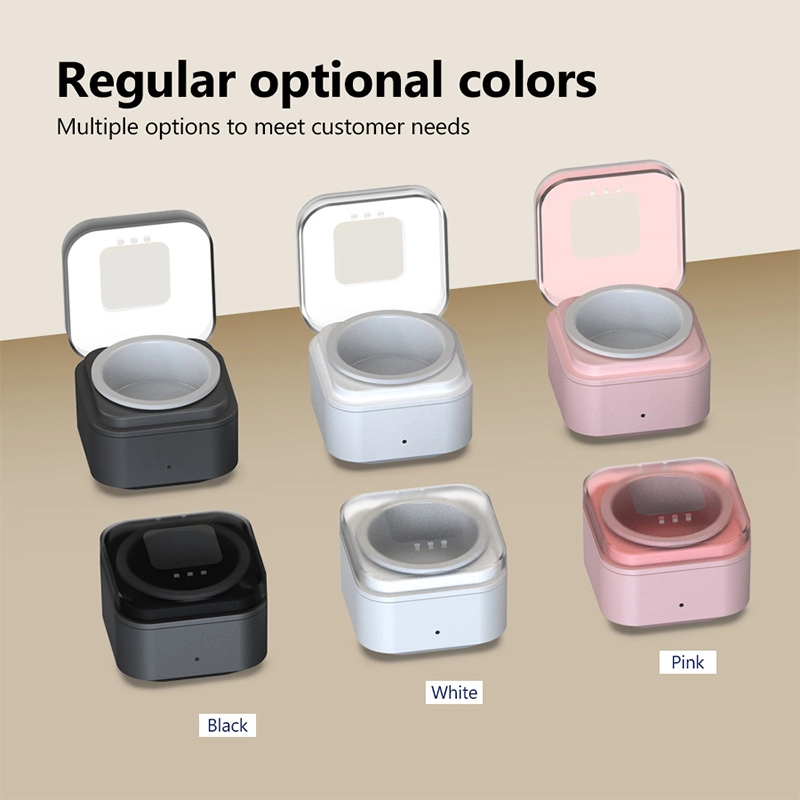
Our AX-002 mini wax warmer combines compact portability with salon-grade performance, delivering salon-worthy hair removal results with zero fuss.
Its fast wax-melting system, precision temperature regulation, and hygienic single-use design guarantee smooth, long-lasting hair-free skin for targeted areas each use. Whether you’re a novice DIY user or a seasoned esthetician, it’s a hassle-free, dependable solution to upgrade your targeted hair removal process.
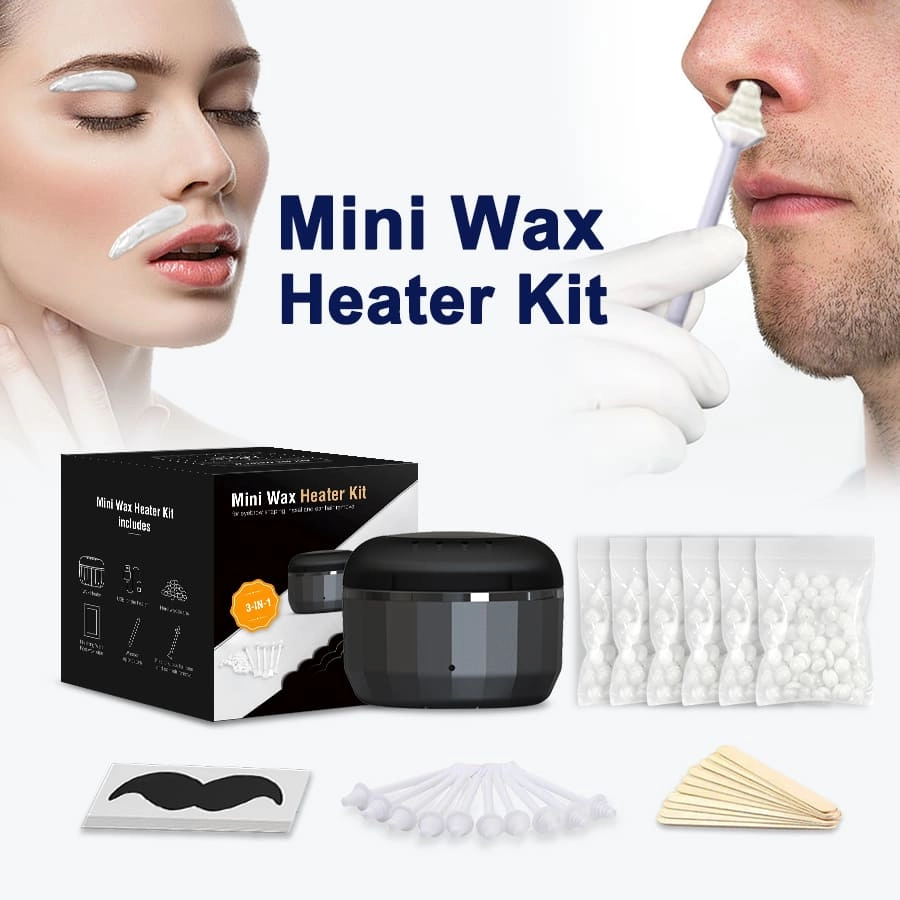
Our AX-001 10ml Mini Wax Warmer Kit combines sleek, compact design with professional-grade waxing performance, delivering flawless precise hair removal for small, delicate areas. This all-in-one complete waxing set features a rapid heat-up system, steady temperature control, and a full range of premium waxing accessories, making it the perfect dependable solution for at-home beginners and professional estheticians alike. Achieve salon-worthy, long-lasting silky smooth skin with zero hassle, every single time.
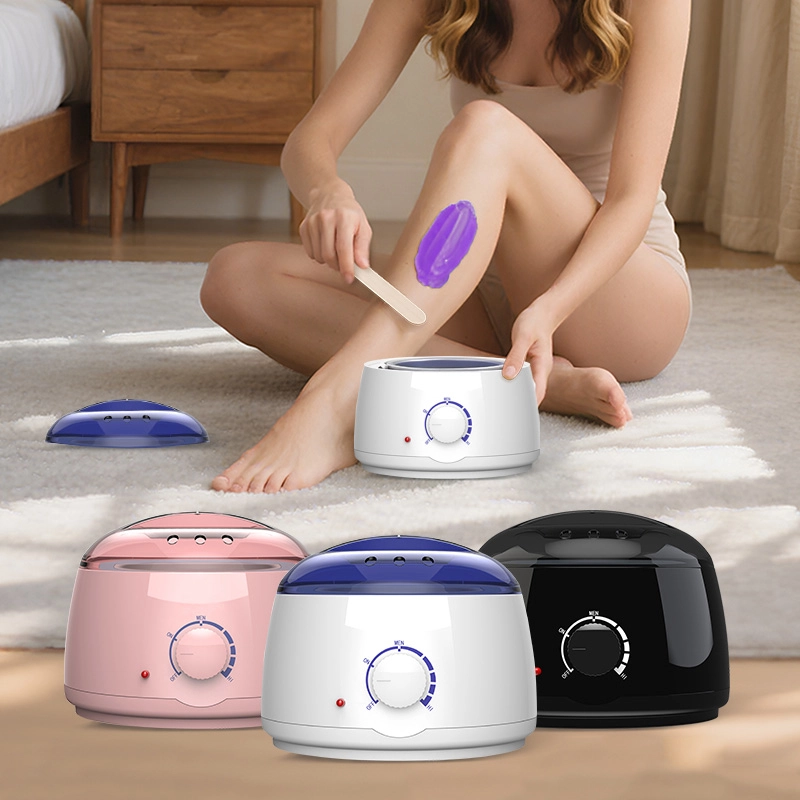
Our waxing heater combines stylish design with professional performance, making salon-quality results effortless.
Its rapid heating technology, consistent temperature control, and skin-friendly formula ensure smooth, long-lasting hair removal every time. Whether you're a beginner or an experienced waxer, it's a quick and reliable way to transform your hair removal routine.
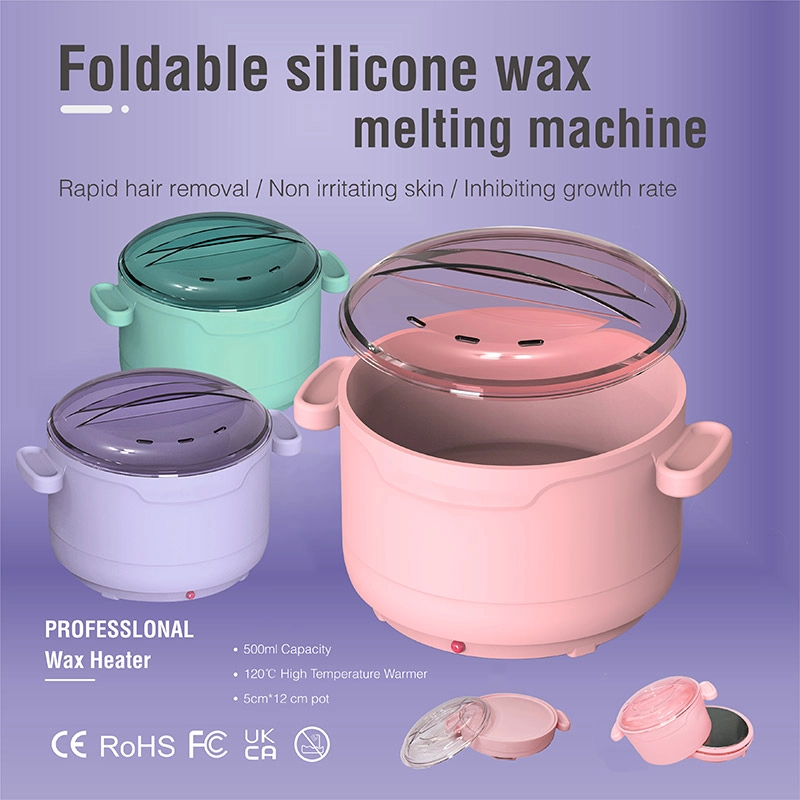
Our LOVECRAZY AX-110 550ml silicone wax heater blends safe, durable silicone material with reliable performance, making salon-quality multi-area hair removal effortless.
Its 30W fast heating, multi-wax compatibility (hard beads/blocks), 100-220V global voltage, and pink design suit salons, home users, and cross-border wholesale for face/eyebrows/body use.
As a premier wax heater manufacturer, LOVE CRAZY delivers top-tier OEM salon beauty equipment and custom manufacturing solutions for global B2B partners.
Contact us at
E-mail: david@lovecrazyhome.com
WhatsApp: +86 189 2777 9907
Tel: +86 0757-85626657/85626627
Address: 4F, Building B, No.18, Yiheng Road, Xiahengtian Industrial Zone,Lishui Town, Nanhai District, Foshan, Guangdong, China
 Scan QR Code
Facebook
Instagram
Instagram
Instagram