









What certifications should a safe wax heater have? | Insights by LOVE CRAZY
1. How can I verify a wax heater’s UL/ETL/NRTL listing is genuine and current?
Answer: Don’t rely on a printed logo alone. For North American market acceptance, look for an NRTL (Nationally Recognized Testing Laboratory) mark such as UL, ETL (Intertek) or CSA and then independently confirm the listing using the lab’s public database. Ask the manufacturer for the test report and the product’s unique file/report number (example: UL file number or Intertek report number), then: 1) go to the certification body’s online directory (UL Product iQ, Intertek ETL directory, CSA database) and search by file/report or model number; 2) confirm the model designation, rating (voltage/current), and the date of test; 3) check whether the certification scope covers both the base model and any variants (different plug, different vat size). Also request copies of the current Declaration of Conformity (DoC) and the technical file showing the tested configuration. If the seller cannot provide a verifiable report number or the lab record does not match the model and ratings, treat it as non-compliant.
Why this matters: NRTL listing is mandatory for many U.S. & Canadian commercial installations and demonstrates independent safety testing for electrical, fire and mechanical risks.
2. Which IEC/EN standards and test reports should be on the lab certificate for salon wax heaters?
Answer: Wax heaters are small electrical heating appliances intended for consumer/professional use and should be tested to the relevant household/appliance safety standard series (the IEC/EN 60335 series — the general requirement IEC 60335-1 plus the relevant particular standard where applicable) and any regional equivalents. Key items to confirm on a lab report: 1) Reference to IEC/EN 60335-1 (general safety requirements for household and similar electrical appliances); 2) Any applicable particular standard or test clauses that the testing laboratory used for warming/heating equipment (the test report should cite the exact clause numbers used for temperature rise, dielectric strength, leakage current, mechanical hazards, and stability/overturn tests); 3) Thermal cut-out and thermostat performance tests (temperature endurance, cycling, and accuracy); 4) Insulation and dielectric withstand tests (voltage applied, duration); 5) Mechanical and stability tests (to verify no tip-over hazards when filled with wax); and 6) If the product contains electronics or a digital thermostat, EMC testing references (EN 55014 series or applicable EMC standards).
Ask for a full test report (PDF) rather than a summary. The report should show test methods, test results, sample photos, and the tested sample’s model number and serial/lot if available. If the report references a CB scheme certificate, that is acceptable for international acceptance — confirm it links back to the controlling IEC standard.
3. Is RoHS / REACH compliance necessary for wax heaters shipped to the EU, and how do I prove it?
Answer: Yes—when selling electrical appliances into the EU, RoHS (Restriction of Hazardous Substances Directive 2011/65/EU, and subsequent amendments) and REACH (Registration, Evaluation, Authorisation and Restriction of Chemicals) are relevant. RoHS restricts lead, cadmium, mercury, hexavalent chromium, PBB and PBDE in electrical/electronic equipment; REACH addresses Substances of Very High Concern (SVHC) in materials and components. Proof to request from your manufacturer/supplier: 1) RoHS test reports from accredited chemical labs (showing measured concentrations and limits, full report date and scope, and the component(s) tested — e.g., heating pot metal, insulation, plugs); 2) A REACH SVHC declaration listing candidate substances and confirming concentrations below 0.1% where required; 3) Material Safety Data Sheets (MSDS) for plastics and adhesives; 4) A written Declaration of Conformity covering both RoHS and REACH for the finished product. For compliance confidence, insist the chemical test reports are from an ISO/IEC 17025 accredited lab and that sample IDs and part numbers in chemical report match the product’s components.
Why this matters: Even if the electrical safety certificate is correct, chemical non-compliance can impede EU market entry, cause Customs holds, and result in fines or forced recalls.
4. What thermal protections should be certified and how can I check their performance (thermal fuse, thermostat accuracy, overheat cutoff)?
Answer: Thermal protection is the single most important functional safety feature for wax heaters. Required/proven protections include: 1) A primary thermostat or temperature control with documented accuracy and control range; 2) A fixed thermal cut-out (thermal fuse/thermal cutoff) independent of the thermostat that opens at a safe temperature when the thermostat fails; and 3) Over-temperature certification under the safety report that simulates thermostat failure and verifies the thermal fuse/overheat device interrupts power in time to prevent excessive wax temperatures and fire risk.
Ask for: specific component datasheets (manufacturer part numbers) for the thermostat and thermal fuse showing rated opening temperature and tolerances; the thermal cut-out test records in the main safety test report (the lab will typically run a thermostat-failure simulation and record the product temperature curve until cutoff); and calibration certificates for any digital thermostat sensors if precise temperature control is marketed. Acceptable evidence: the safety test report must document temperature measurements at accessible surfaces and the wax reservoir under abuse tests (e.g., thermostat stuck-on scenario), and confirm that no surface exceeds safe temperatures and that the thermal fuse operated within its rated limits. If a product uses electronic temperature control, request EMC and safety integration tests proving the controller does not fail to a dangerous state under EMI/EOS conditions.
5. Should wax heaters be double‑insulated (Class II) or grounded (Class I), and how that affects certification and installation?
Answer: Both approaches are permitted, but the design choice affects required testing and installation instructions. Double-insulated (Class II) designs eliminate the need for a protective earth and must demonstrate reinforced insulation between live parts and accessible surfaces; test reports should explicitly state Class II compliance and include dielectric strength and insulation system tests. Grounded (Class I) designs must include a reliable earth connection and be tested for continuity of protective earthing and fault conditions (earth leakage tests).
How to evaluate: 1) Check the product label and DoC for Class II symbol (square within a square) or an Earth symbol; 2) For Class II, ensure the test report documents reinforced insulation testing and that accessible metal parts are not connected to live circuits; 3) For grounded units, ensure the wiring harness and plug type are appropriate for the target market and that the test report includes fault current testing and earth continuity. Consider the use environment: salon professionals often prefer grounded units where heavier-duty heating elements are used; meanwhile, small portable consumer wax heaters are commonly Class II to simplify use and reduce shock risk if properly designed. Verify the installer instructions match the chosen class (e.g., instructions about grounding, suitable outlets, or prohibiting use with extension cords).
6. As an OEM/buyer ordering large volumes, what quality management certificates, factory audit reports and traceability documents should I require before approving a production run?
Answer: For repeatable product safety and to reduce batch risk, require both systemic and product-level documentation: 1) ISO 9001 certification is the baseline for a manufacturer’s quality management system; inspect the certificate validity and the scope (does it include the specific product line and factory location?). 2) Third-party factory audits (SGS, Bureau Veritas, Intertek) or social compliance audits (BSCI, Sedex/SMETA) as required by your retail customers. 3) Production control evidence: a sample inspection plan (AQL), incoming materials inspection records, process control documentation for critical assembly steps (e.g., thermostat calibration, thermal fuse installation torque), and final inspection/functional test records. 4) Traceability: batch/lot numbers for heating elements, thermostats, and thermal fuses and a system for associating finished units to component lots and test reports. 5) Factory test equipment calibration: request ISO/IEC 17025 calibration certificates for instruments used to verify temperature, insulation resistance and electrical continuity.
Before production, perform a pilot run with full test reports on those units. Insist on a golden sample and a final pre-shipment test report showing the same test scope used in certification. This reduces surprises at receiving inspection and supports recall management if required.
Concluding summary: Buying a safe, export-ready wax heater means verifying electrical safety (NRTL/UL/ETL/CB/CE/UKCA), thermal protection (thermostat accuracy, thermal fuse/overheat cutoff with documented test evidence), chemical compliance (RoHS/REACH and MSDS), and factory quality controls (ISO 9001, audits, traceability). Ask for full lab test reports from accredited labs, component datasheets, DoC, and production QA records. Prioritize devices with clear Class II or Class I markings, independent thermal cutoff proof, and RoHS/REACH chemistry testing. These combined certifications and documents materially reduce fire, shock, and regulatory risk and simplify market entry.
For a verified quote and to review available certified models, contact us at www.lovecrazyhome.com or david@lovecrazyhome.com — we will provide test-report-backed quotes and sample certifications on request.
FAQ
Products
How long does it take to heat the wax? Is the temperature stable and controllable?
It typically takes 15-25 minutes to reach the optimal working temperature. Once heated, it automatically maintains a constant, safe range, preventing skin burns from overheating or reduced effectiveness from underheating. You can use it with confidence.
AX-500A
How long does AX-500A take to melt hard wax?
120W power melts wax in 10-15 minutes, faster than standard models.
AX-200A
Can we print our brand logo on AX-200A’s pink/white/black body?
Yes. Logo printing requires an MOQ of 600 units per color; we provide free design proofing to ensure the logo matches your brand style.
AX-600
What is the lead time?
Mass production takes 25-45 days; samples 10-25 days.
Logistics & Payment
Which countries/regions do you ship to?
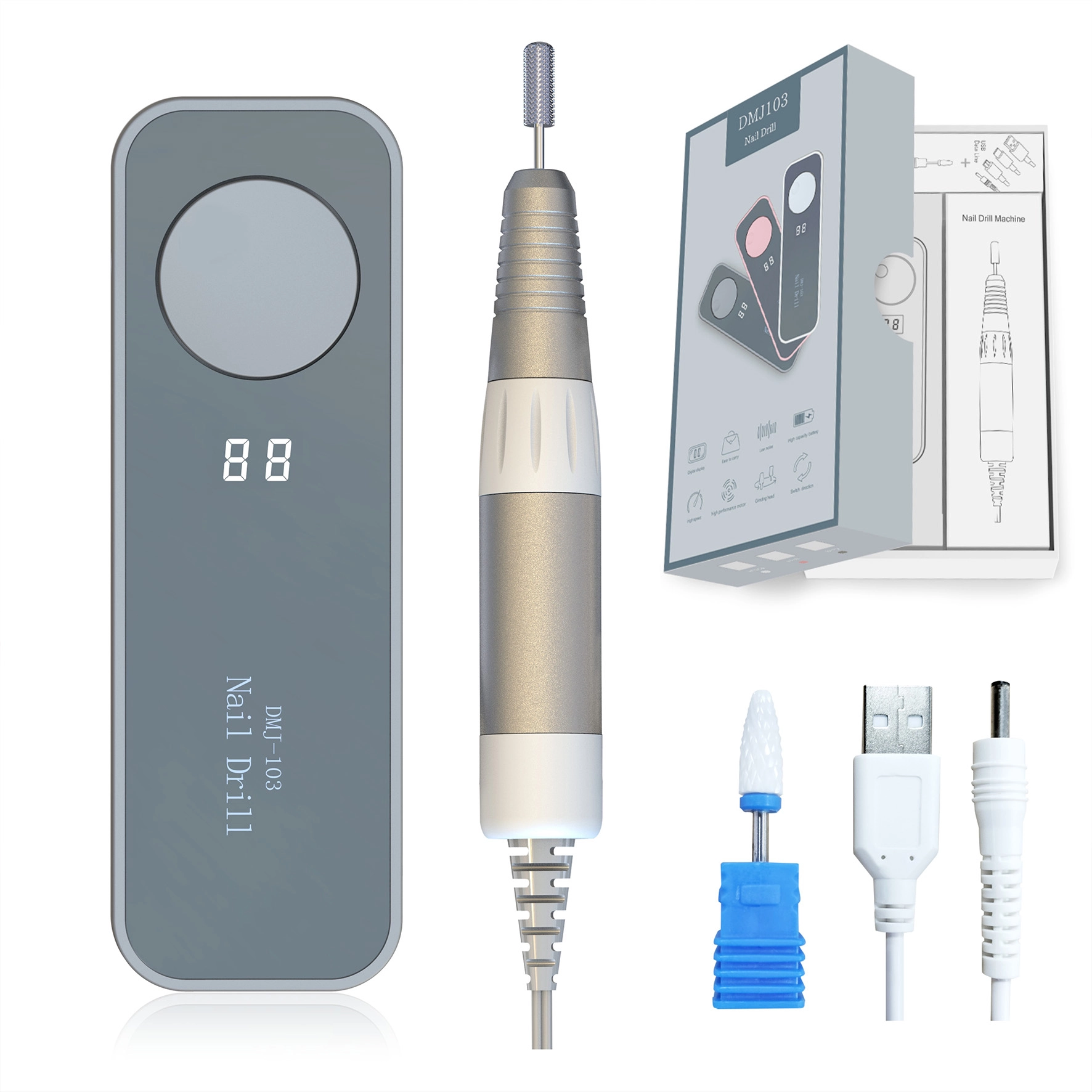
Equipped with a high-performance motor delivering up to 35000 RPM adjustable speed, this nail drill provides consistent, smooth power for all professional nail services — including gel polish removal, nail shaping, cuticle care, and acrylic nail work. The clear digital display ensures precise speed control, allowing nail technicians to deliver uniform, high-quality results for every client even during busy salon hours.
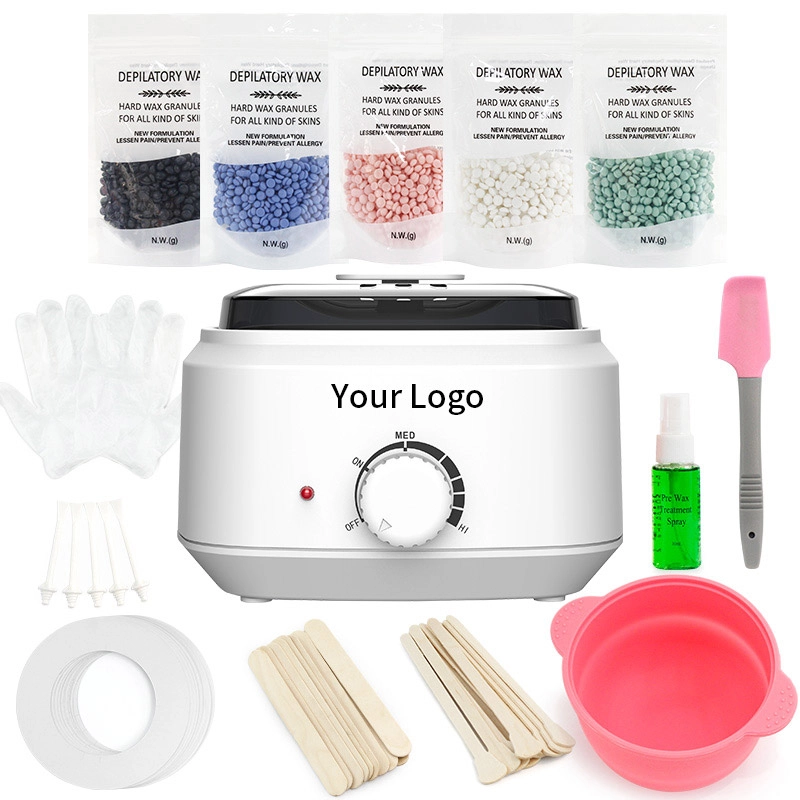
AX-200 500ml PP wax heater blends durable, high-quality material with salon-grade performance, making full-body multi-area hair removal seamless.
Its 100W fast heating, hard wax compatibility (beads/blocks), 100-220V global voltage, and multi-color options suit salons, home users, and cross-border wholesale for face/eyebrows/body use.

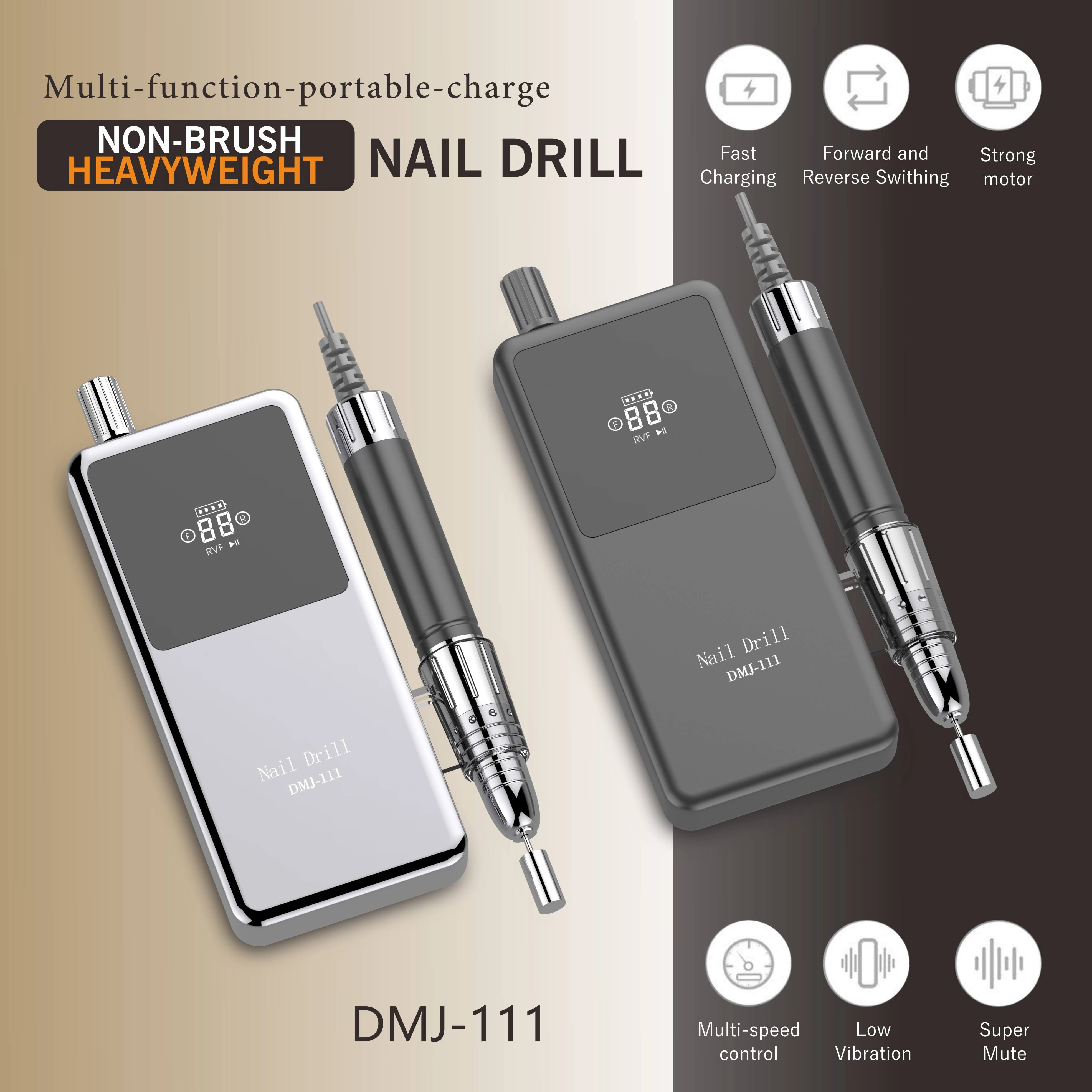
The DMJ-111 cordless rechargeable nail drill from LOVE CRAZY delivers salon-grade precision and performance in an ultra-slim, premium stainless steel body. As a leading Foshan-based beauty equipment manufacturer with 14+ years of industry experience, we designed this model for both fixed salon use and on-the-go mobile services, with stable 35000 RPM high-speed performance, long-lasting battery life, and durable build. We also provide full OEM/ODM solutions for global B2B beauty brands, salon chains, distributors, and wholesalers.
As a premier wax heater manufacturer, LOVE CRAZY delivers top-tier OEM salon beauty equipment and custom manufacturing solutions for global B2B partners.
Contact us at
E-mail: david@lovecrazyhome.com
WhatsApp: +86 189 2777 9907
Tel: +86 0757-85626657/85626627
Address: 4F, Building B, No.18, Yiheng Road, Xiahengtian Industrial Zone,Lishui Town, Nanhai District, Foshan, Guangdong, China
 Scan QR Code
Facebook
Instagram
Instagram
Instagram