








what certifications to look for in waxing kits? | Insights by LOVE CRAZY
Written by a professional content writer and Wax Heater Manufacturers expert, this article addresses six specific, high‑pain questions beginners and salon buyers frequently ask about what certifications to look for in waxing kits. It embeds common search phrases like electrical safety certification, ISO 22716, CE mark, UL listing, REACH compliance, dermatological testing, and overheat protection into practical, verifiable guidance.
1. How do I verify a wax heater’s electrical safety certification actually covers my country (UL vs CE vs UKCA) and isn’t just a fake sticker?
Problem: Many imported wax heaters display multiple marks (CE, UL, ETL) but buyers often cannot tell if the marks are legitimate or applicable to their market.
What to request from the manufacturer or supplier:
- Clear photos of the product label showing manufacturer name, model number and the marking(s).
- A copy of the third‑party certificate or test report (not just a photo of a sticker). Look for certificate numbers, issue/expiry dates and the issuing body (UL, Intertek/ETL, TUV, CSA).
- The Declaration of Conformity (DoC) for CE/UKCA markets, and specific test reports for the Low Voltage Directive (LVD) and EMC Directive if applicable.
How to verify:
- Search the issuing lab’s public database (e.g., UL Product iQ, Intertek Directory, TUV database, CSA Directory) with the certificate or report number and model number.
- Confirm the certificate scope covers the exact model, variant and production year you plan to buy (some certificates cover only a specific configuration or serial range).
- For CE, remember CE is a conformity marking — manufacturers must retain a technical file. Ask to see the DoC and test laboratory reports used to support it (EMC and LVD test reports are common evidence).
Key red flags: certificates without an issuing body, mismatched model numbers, expired certificates, or claims of “CE certified” without a DoC or test reports. For highest assurance in the US/Canada, prefer UL/CSA/ETL third‑party listings; for EU, require DoC plus LVD/EMC and RoHS/REACH evidence.
2. Which chemical compliance documents should I demand for wax formulations to avoid allergic reactions and regulatory problems?
Problem: Wax formulations may contain fragrances, resins or preservatives that trigger allergies or violate local cosmetic rules. Buyers often receive incomplete or outdated ingredient lists.
What to request:
- Safety Data Sheet (SDS) for each wax SKU and every raw material used. The SDS should be batch‑specific or have a clear batch traceability reference.
- Full INCI ingredient list (International Nomenclature of Cosmetic Ingredients) on product labels for EU/UK and global professional use.
- Certificate of Analysis (CoA) for critical raw materials (e.g., rosins, fragrances) showing heavy metal limits, residual solvents and purity.
- Evidence of REACH compliance (for EU market) and declarations on banned/restricted substances per local cosmetic regulation (e.g., Cosmetic Regulation (EC) No 1223/2009 in the EU). For North America, request statements on compliance with relevant state rules (e.g., California Proposition 65 due diligence where applicable).
- Dermatological testing reports and patch test results where available, or at least a documented internal patch test protocol and guidance for salon use.
Why this matters: SDS and CoA provide the objective data needed to assess allergen and contaminant risk. INCI labeling and REACH/RoHS evidence help ensure regulatory compliance across markets. If a supplier cannot provide batch CoAs and SDS tied to batch numbers, treat the product as higher risk.
3. What thermal safety tests prove a wax heater won’t overheat, and which specific reports should a manufacturer provide?
Problem: Burn incidents often arise from faulty thermostats, missing thermal cutoffs, or heaters that reach unsafe external temperatures under normal use or failure modes.
Specific test reports and data to require:
- Third‑party electrical safety test reports (IEC/EN 60335 series or equivalent national standards) that include tests for over‑temperature protection, insulation resistance and leakage currents.
- Thermal runaway and abnormal operation reports showing the device’s behavior when thermostat fails or element is shorted. Look for independent lab certification that the built‑in thermal cutoff functions at the rated set point.
- Maximum external surface temperature measurements under continuous use and directly after a simulated thermostat failure. This demonstrates the risk of scalding for users and clients.
- Calibration certificates for the thermostat and any digital temperature sensor — ideally traceable to national standards. If the manufacturer supplies a temperature tolerance (e.g., ±3–5 °C), ask for evidence of that claim.
Additional checks: verify presence of physical safety features such as a thermal cutoff (non‑resettable or resettable per design), overcurrent protection (fuse), and clear operating instructions with safe temperature ranges. Independent test labs like Intertek, SGS and TUV routinely perform these tests; request their signed reports rather than vendor summaries.
4. Are there material certifications I should insist on for wax pots, spatulas and applicator parts to prevent corrosion, contamination or chemical leaching?
Problem: Some lower‑cost kits use poor‑grade metals or plastics that corrode, leach heavy metals or contain plasticizers (e.g., BPA) that are undesirable for prolonged skin contact.
Material evidence to request:
- Material Test Reports (MTR) or mill certificates for stainless steel parts. For professional waxing pots, request grade 304 (AISI 304) as a baseline; 316 is preferred where higher corrosion resistance is needed.
- Food‑contact or skin‑contact declarations where applicable. Even though wax is a cosmetic product, compliance with food contact materials rules (FDA CFR Title 21 in the US or EU Regulation No 10/2011 for plastics) can be useful evidence of low‑toxicity materials.
- Plastic and silicone declarations: request polymer identification (e.g., PP, ABS), BPA‑free testing, and any migration or extractables testing performed on the polymer parts that contact wax or skin. Medical‑grade or cosmetic‑grade silicone should have supporting test data.
- RoHS and heavy metal testing for metallic components (lead, cadmium, mercury) and REACH declarations for SVHCs (substances of very high concern).
What to avoid: unspecified “stainless steel” claims without MTRs, or plastics labeled simply “safe” without migration/extractables or BPA test data. Requesting objective lab test reports minimizes contamination risk and improves customer trust.
5. How can I check a manufacturer’s factory certifications (ISO, GMP) to ensure consistent quality across production runs?
Problem: A one‑off product sample may pass tests, but inconsistent manufacturing causes variability in subsequent batches.
Factory certificates and audits to prioritize:
- ISO 9001 (Quality Management) as a baseline for consistent manufacturing processes and document control.
- ISO 22716 (Good Manufacturing Practices for cosmetics) if the supplier produces wax formulations — this standard documents safe production, control of raw materials and batch traceability for cosmetic products.
- Third‑party social/ethical audits (Sedex/SMETA, BSCI) and factory inspection reports if supply chain transparency and CSR are important to LOVE CRAZY.
- Supplier QC documentation: incoming raw material inspection procedures, in‑process inspection plans, final acceptance criteria, and retention sample policies for each batch.
- Laboratory accreditation proof if the supplier runs internal testing (e.g., ISO/IEC 17025 accreditation for testing labs). This ensures testing methods and equipment meet recognized standards.
Practical checks: request recent audit reports, ask for the quality manual pages describing batch traceability and non‑conformity handling, and, where possible, arrange an independent factory audit or use a third‑party inspection service for pre‑shipment checks. Contracts should specify acceptable defect rates and remediation processes to protect you from inconsistent quality.
6. What documentation should a salon owner keep to prove compliance if a client has an adverse reaction or regulators audit my waxing kit purchases?
Problem: After an incident, salons and distributors can be held liable if they cannot demonstrate due diligence and traceability.
Essential records to maintain (digital and physical):
- Safety Data Sheets (SDS) and Certificates of Analysis (CoA) for each batch/SKU of wax — retain these and link them to the batch code used on the day of service.
- Declaration of Conformity and third‑party test reports for electronic wax heaters (UL/ETL/CE/DoC) and material certificates for applicator parts.
- Batch numbers and purchase invoices that tie products to specific shipments. Maintain a log mapping kit/batch numbers to client appointments when products are used.
- Maintenance and calibration records for wax heaters (thermostat calibration certificates, service logs, and inspection checklists). Keep replacement part records.
- Client consent and patch test forms, incident reports, and the salon’s complaint/recall procedure. Document training records for staff on safe use and emergency response.
- Retention timeline suggestions: in the EU, cosmetic product information files must be kept for 10 years after the last batch (Regulation (EC) No 1223/2009). For other jurisdictions, keep records for a minimum of 5–10 years where practical, or longer if your insurer or local regulator requires it.
Why this matters: Proper documentation enables rapid investigation, supports insurance claims and demonstrates regulatory due diligence. If a supplier cannot provide SDS, CoA, DoC, or traceable batch numbers, don’t accept delivery until those documents are received and stored.
Concluding summary of advantages: Choosing waxing kits and wax heaters with verified electrical safety certification (UL/ETL/CE/UKCA), chemical compliance (SDS, REACH, INCI), material certificates (stainless steel MTRs, BPA‑free declarations), and factory certifications (ISO 9001, ISO 22716) reduces client risk, lowers liability, streamlines regulatory compliance, and protects your salon’s reputation. Certified products also deliver more consistent temperature control, safer failure modes (overheat protection, thermal cutoffs), and demonstrable traceability if an incident occurs.
If you need help sourcing certified waxing kits or want a custom quote for compliant wax heaters and professional kits, contact us for a quote at www.lovecrazyhome.com or email david@lovecrazyhome.com.
FAQ
AX-100
Do you offer B2B samples for AX-100, and what’s the sample policy?
Yes, paid samples are available; sample fees are refundable when bulk orders are placed.
AX-800
How long does AX-800 take to melt 800ml hard wax?
With 120W power, it takes about 10-15 minutes to fully melt 800ml hard wax beads/blocks.
DMJ-114
Can the speed be adjusted during operation?
Yes. The device features a rotary speed control knob that allows smooth speed adjustment.
DMJ-141
What safety protection does DMJ-141 have?
It has built-in overheat, overload and short-circuit protection for safe use.
AX-100C
Can beginners use AX100C easily?
Absolutely. It has simple operation and stable temperature control, so both novices (home users) and professionals (salon staff) can master it quickly.
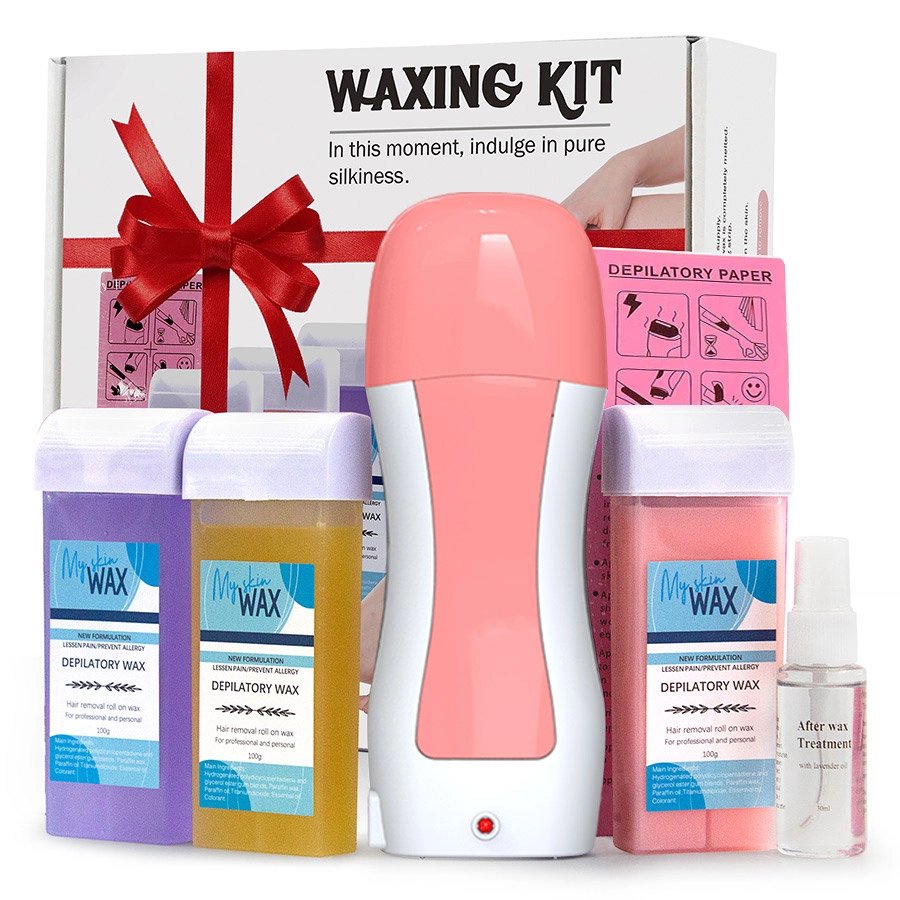
LOVECRAZY F3 is a portable handheld wax warmer tailored for targeted hair removal . It boasts a stylish two-tone body with multi-color options , matching diverse aesthetic preferences.
Crafted from high-quality ABS plastic, this compact device features a 100ml inner pot—ideal for small-area use without wax waste. Its 40W heating power melts hard wax beads/blocks fully in 8-10 minutes.
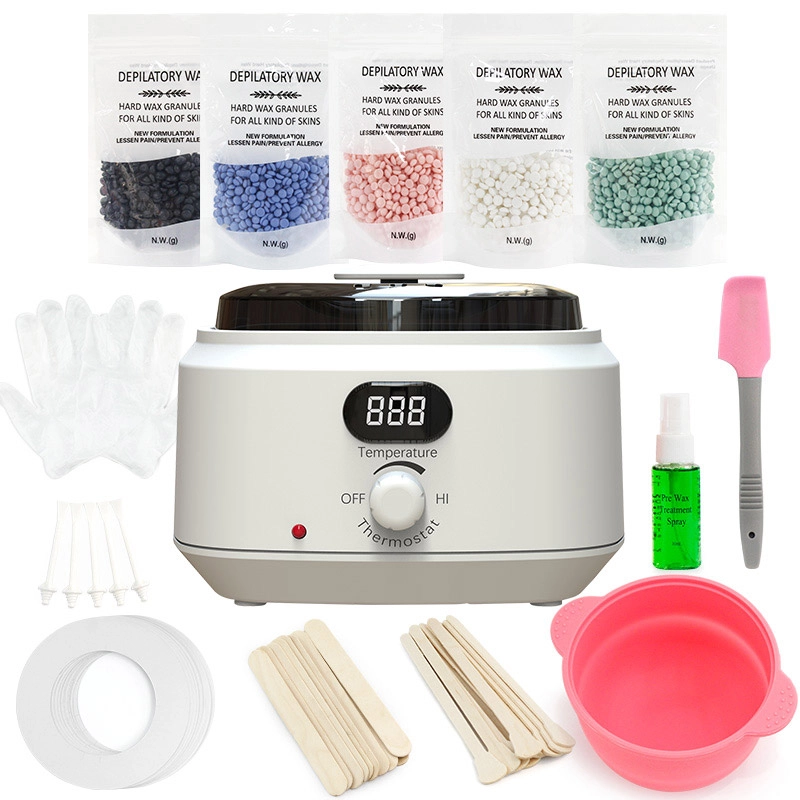
With a sleek soft finish and a transparent dust-proof lid (for easy wax status monitoring), our LOVECRAZY AX-200A 500ml PP wax heater blends aesthetic appeal with practical salon-grade performance.
Its intuitive knob-style temperature control pairs with 100W rapid heating to melt hard wax beads/blocks quickly; the 500ml capacity covers full-body multi-area hair removal, while 100-220V global voltage & multi-plug options suit salons, home users, and cross-border wholesale.
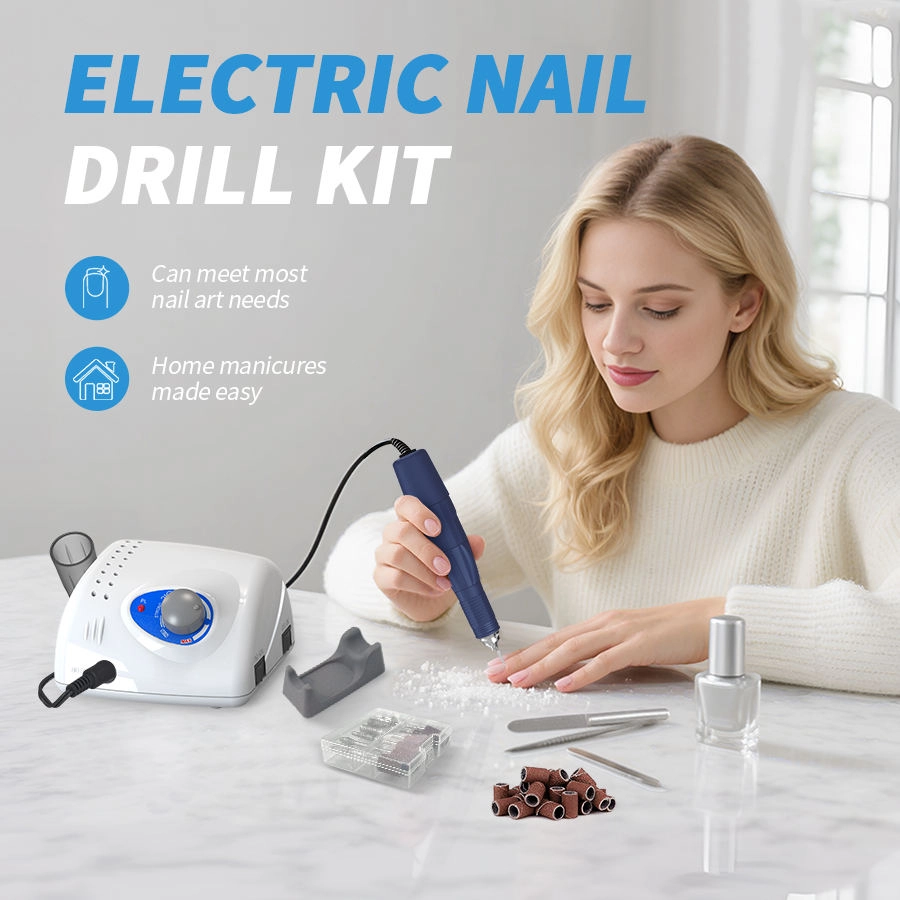
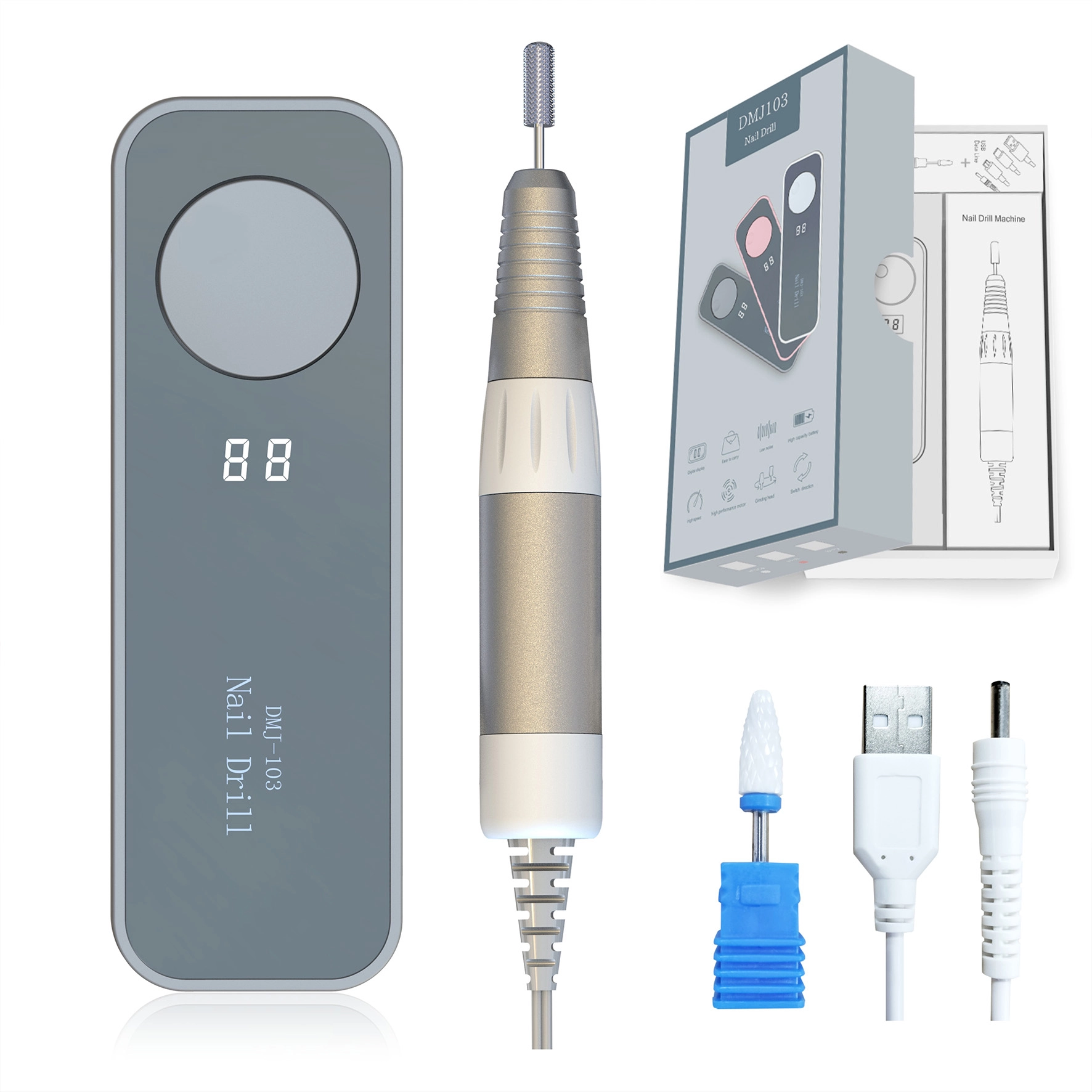
Equipped with a high-performance motor delivering up to 35000 RPM adjustable speed, this nail drill provides consistent, smooth power for all professional nail services — including gel polish removal, nail shaping, cuticle care, and acrylic nail work. The clear digital display ensures precise speed control, allowing nail technicians to deliver uniform, high-quality results for every client even during busy salon hours.
As a premier wax heater manufacturer, LOVE CRAZY delivers top-tier OEM salon beauty equipment and custom manufacturing solutions for global B2B partners.
Contact us at
E-mail: david@lovecrazyhome.com
WhatsApp: +86 189 2777 9907
Tel: +86 0757-85626657/85626627
Address: 4F, Building B, No.18, Yiheng Road, Xiahengtian Industrial Zone,Lishui Town, Nanhai District, Foshan, Guangdong, China
 Scan QR Code
Facebook
Instagram
Instagram
Instagram