









What features should I look for in a wax heater? | Insights by LOVE CRAZY
What features should I look for in a wax heater? — Professional Buying Guide
Choosing the right wax heater affects treatment quality, client comfort and salon throughput. Below are six specific, pain-point-oriented questions beginners and procurement managers often ask — each with an in-depth, actionable answer that includes what to test, what specs to require and what to verify with manufacturers.
1) How can I verify a wax heater's temperature accuracy and stability for consistent hard-wax bead melting?
Pain point: inconsistent temperature leads to under-melted beads, long service times or overheated wax that darkens, becomes brittle or causes burns.
What to require / test:
- Temperature range and resolution: Require a working range that covers 40–90°C (recommended) with at least 1°C display resolution for salon use. Hard wax beads commonly require 75–85°C to fully melt; low-melt soft waxes require 45–55°C.
- Control method: Prefer PID digital thermostats or PID with RTD/PT100 sensors. PID control holds setpoint within ±1–2°C under normal load; mechanical bimetal thermostats typically vary ±5–10°C.
- Sensor type & location: Ask for PT100 or thermocouple sensor placement inside the heater cavity or inside the inner pot—not only on the PCB—so the controller measures the actual wax temperature, not the air or outer housing.
- Validation test: Use a calibrated probe thermometer (digital thermocouple or PT100 logger). Fill the pot with the intended wax type, bring to setpoint and log temperature every minute for 30–60 minutes. Acceptable stability: ≤±2°C drift over 30 minutes under normal agitation/use.
- Warm-up time: Manufacturer should list typical melt time (e.g., 250–750 W for small pots often melt 0.5–2 L of hard beads in 15–45 minutes). Verify on a sample unit with your wax type.
Why this matters: Accurate, stable temperature prevents wax degradation (discoloration, odor changes, altered viscosity) and ensures a predictable working window for technicians. For professional results, require PID control + PT100 sensor and validate with a temperature logger.
2) Which safety certifications and built-in protections should salon owners demand from a commercial wax heater?
Pain point: salon equipment can cause electrical hazards, burns or fires if poorly designed or uncertified.
Must-have certifications and protections:
- Regulatory marks: CE for EU markets, UL or ETL for North America, and RoHS for restricted substances. These confirm electrical safety testing and compliance with regional standards.
- Thermal safety features: Overheat cutoff (thermal fuse or separate thermostat), automatic shut-off on fault, and visible error indications. Ask for a listed thermal fuse rating and reset behavior.
- Electrical protections: Proper grounding, Class II double-insulation where applicable, and surge protection on digital control boards.
- Mechanical safety: Insulated handles, cool-touch housing, non-slip base, and splash-resistant (or IP-rated) control panel to reduce liquid ingress risk in a salon environment.
- Serviceability: Easily replaceable heating element and thermal fuse. If a thermal cutoff is soldered or inaccessible, repair costs and downtime increase.
Verification steps: Request test reports and certificates from the manufacturer (CB/EN reports, UL files). Inspect the sample unit for external thermal fuses or clear labeling of safety components. For bulk purchases, request a factory test checklist and photos of internal wiring and component brands.
3) What heater capacity and insert type should I choose to minimize downtime during back-to-back waxing appointments?
Pain point: low-capacity units force frequent reheats and slow client throughput; non-modular pots complicate cleanup and sanitation.
Selection tips:
- Match capacity to appointment load: For single-practitioner salons, 0.5–2.0 L pots are common. High-volume salons or multi-station rooms often use 3–5 L or dual-pot units to keep multiple wax types ready.
- Insert type: Look for removable stainless-steel inner pots (SUS304). Removable pots speed cleaning, allow rapid swaps between wax types and support the use of disposable liners.
- Insert geometry: Wide, shallow pots reduce melt time and provide faster heat distribution vs tall, narrow jars. If you use hard-wax beads, a deeper jar can reduce splatter; confirm with the manufacturer if they offer multiple jar shapes.
- Dual-pot and multi-zone options: Dual or multi-pot heaters let you run a hard wax and a low-melt soft wax concurrently, reducing cross-contamination risk and downtime. Consider models with independent thermostats per zone.
- Disposable liner compatibility: Confirm liner dimensions and vendor-supplied liner options. Liners reduce cleaning time and cross-use contamination risks.
Operational test: Time a full melt cycle from cold start to ready state using your most-used wax. Replicate a realistic day (e.g., 8–10 services) to calculate how many pots or what capacity is required to avoid mid-day reheats.
4) Do PID digital thermostats materially improve wax quality versus mechanical thermostats for low-melt soft wax?
Pain point: soft, low-melt waxes are more sensitive to overshoot and long-term degradation; technicians need a consistent working viscosity.
Technical comparison:
- PID control: Uses proportional–integral–derivative algorithms to predict and reduce overshoot and settle quickly at the setpoint. Deliverable benefit: tighter temperature band (±1–2°C), reduced overshoot, and less cyclical heating that changes viscosity.
- Mechanical thermostat: Simpler, lower-cost bimetal switches cycle on/off and typically allow wider temperature swings (±5°C or more) and more pronounced thermal cycling, which can thin or thicken wax intermittently.
- User experience: For low-melt waxes where client comfort and texture matter, PID results in more reliable spreadability, predictable cooling times and fewer oxidized or discolored batches.
What to request: If procurement budget allows, specify a PID controller with user-adjustable parameters and a digital setpoint display. Ask the manufacturer to ship a calibration certificate and explain how to recalibrate the sensor if needed.
5) How do I confirm a manufacturer's QA, spare parts availability, and OEM/ODM capabilities before placing a bulk order?
Pain point: buyers discover long lead times, poor QA, or no spare parts after committing to large orders.
Due diligence checklist:
- Quality systems: Ask for ISO 9001 certification or equivalent QA documentation. Request production process flowcharts showing incoming inspection, in-process testing and final inspection criteria.
- Sample & testing: Request pre-production samples and a factory test report showing temperature stability, safety test results and burn-in testing (24–72 hours) for electronic controls.
- Component traceability: Confirm brands for critical components (PID board, thermocouple/PT100 sensor, heating element, switches). Brand-name components simplify repairs and spare-parts sourcing.
- After-sales support & warranty: Standard professional equipment warranties are commonly 1–2 years; get warranty terms in writing, including what is covered (electronics, heating element, pot damage) and the RMA process.
- Spare parts & lead times: Verify availability of spare pots, heating elements, sensors and control boards. Ask for MOQ (minimum order quantity) and lead times for replacement parts and for full production (typical OEM lead times often range from 30–60 days depending on order size and customization).
- Factory audits & references: If buying large volumes, conduct a factory audit or request third-party inspection reports and references from other brand customers.
Red flags: lack of test documentation, generic component descriptions (e.g., “sensor” without type), missing contact info for after-sales, no sample policy, or warranty terms that exclude electronics or heating elements.
6) Which heating technology (immersion, infrared, convection) delivers the most even heat distribution without degrading wax chemistry?
Pain point: uneven heating causes hot spots, scorched wax and inconsistent application.
Technology comparison and practical guidance:
- Direct-contact/immersion heating (heating element in contact with pot): Fast heat transfer and often the most energy-efficient for small pots. If the element is embedded into the pot wall or base, it provides good melt rates but must be serviceable and corrosion-resistant. Ensure the element is isolated from wax to avoid contamination issues.
- Infrared (IR) heating: Some professional units use IR panels beneath or around the pot to provide gentle, surface-focused heating. Infrared can reduce hot spots and is gentler on sensitive waxes, helping preserve additives and fragrances, but typically heats slower than direct-contact elements.
- Convection & circulating hot oil baths: Larger, salon-grade units sometimes use circulating oil or fluid baths to provide even heat. These offer excellent uniformity and reduced surface scorching but add complexity, maintenance (oil changes) and weight.
Recommendation: For most salon settings, a well-designed direct-contact element combined with a pot geometry that allows even distribution (wide, shallow pot) and PID control delivers the best balance of speed, uniformity and serviceability. If you use highly fragranced or delicate formulations, consider IR or a dual-system design that limits direct heat contact.
What to verify with the manufacturer: heating element material and sealing method, whether the element is replaceable, and any test data showing temperature uniformity across the pot surface (thermal map or logged temperature points).
Concluding summary — advantages of selecting the right features and manufacturer
Choosing a wax heater with precise temperature control (PID + PT100), verified safety certifications (CE/UL/RoHS), the correct capacity and removable stainless-steel inserts, replaceable heating elements and documented manufacturer QA delivers predictable waxing performance, fewer service interruptions, safer operation and lower lifecycle cost. These features reduce client complaints (burns, poor results), increase technician throughput and make after-sales support and repairs straightforward.
For procurement: require sample validation (melt tests and temperature logging), request certificates and factory test reports, confirm spare-parts availability and warranty terms, and prefer manufacturers who provide clear OEM/ODM support and component traceability.
Contact us for a quote and sample validation. Visit www.lovecrazyhome.com or email lovecrazyStella@aliyun.com for pricing, lead times and OEM options.
FAQ
AX-001
What’s the lead time for bulk orders of AX-001?
Standard orders (no customization): 15-30 business days.
Customized orders (logo/packaging): 25-45 business days. We prioritize delivery for urgent wholesale orders.
F8
Does F8 have safety features to prevent hazards during use?
Yes—it has overheat protection and a heat-insulating PP body, so you won’t get burned while holding the device.
AX-200
What’s the MOQ for LOVECRAZY AX-200 bulk orders?
The MOQ for AX-200 is 300 units; long-term partners can get flexible adjustments based on order volume.
AX-911A
Is logo customization available for B-end AX-911A orders?
Yes, logo customization is supported.
F0
Do you offer samples for F0 bulk orders?
Yes, paid samples are available; fees will be fully refunded when placing bulk orders.
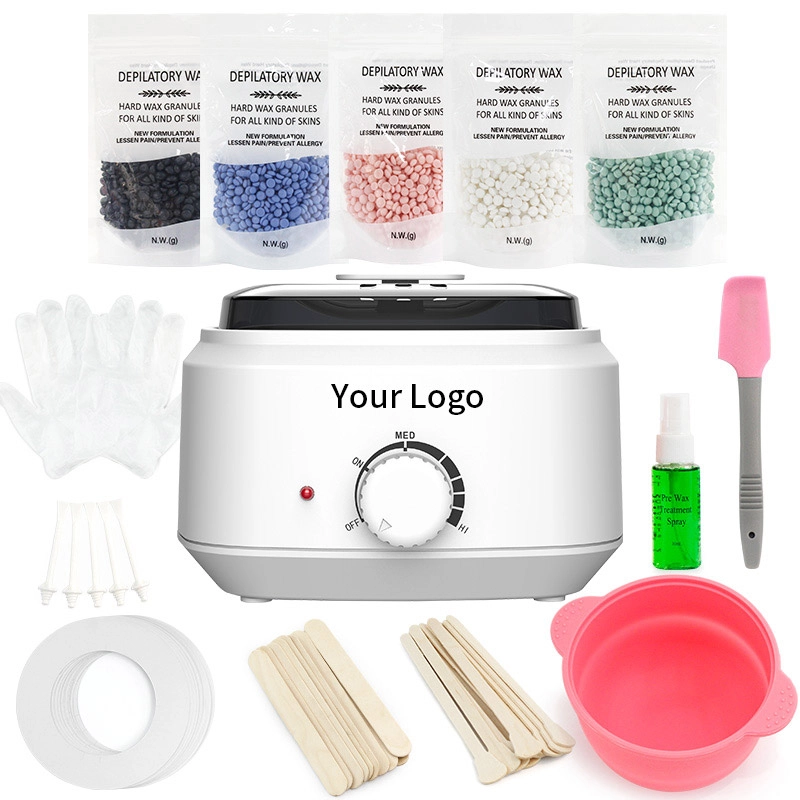
AX-200 500ml PP wax heater blends durable, high-quality material with salon-grade performance, making full-body multi-area hair removal seamless.
Its 100W fast heating, hard wax compatibility (beads/blocks), 100-220V global voltage, and multi-color options suit salons, home users, and cross-border wholesale for face/eyebrows/body use.
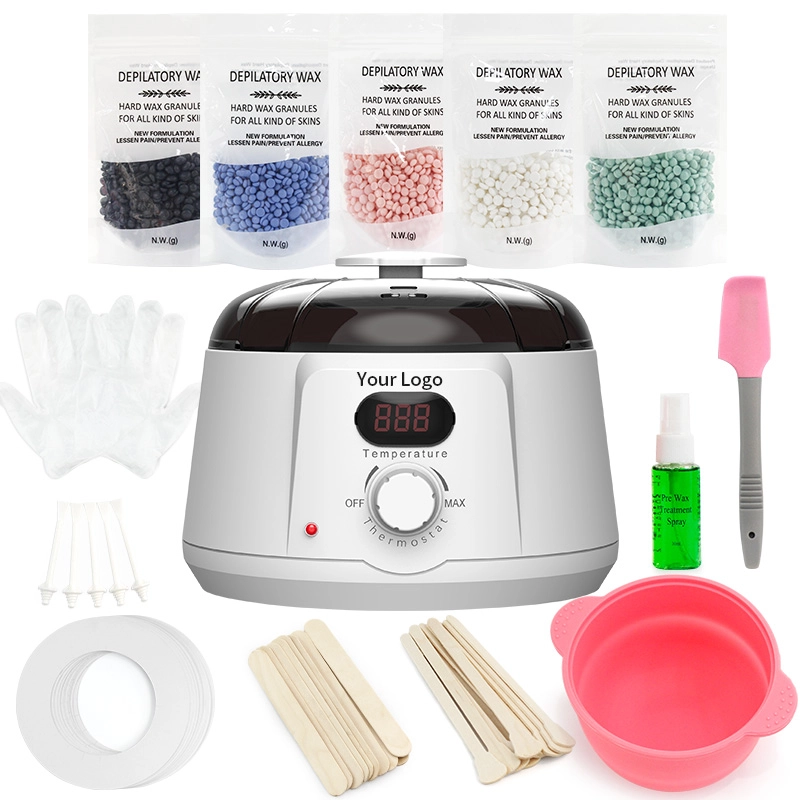
LOVECRAZY AX-911A wax heater features a digital temperature display, intuitive thermostat knob, and clear transparent lid for real-time wax melting monitoring. Crafted from high-quality PP plastic, it balances durability with a sleek aesthetic that fits salons and home use.
With a 500ml capacity, it covers multi-area hair removal needs and is fully compatible with hard wax beads/blocks.
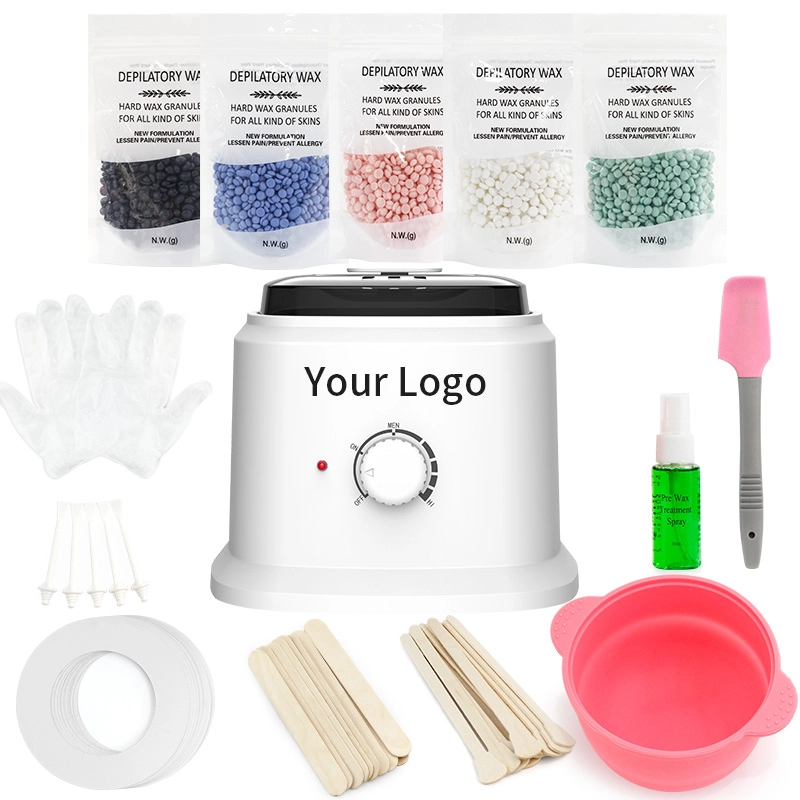
AX-800 wax heater offers soft color options . It’s made of high-quality PP plastic, combining sturdiness with an aesthetic, decor-matching appearance.
Powered by 120W efficient heating, it melts hard wax beads/blocks quickly; its 800ml large capacity covers full-body hair removal needs. in one cycle, cutting down frequent wax refills. It supports 100-220V global voltage , perfect for cross-border wholesale.
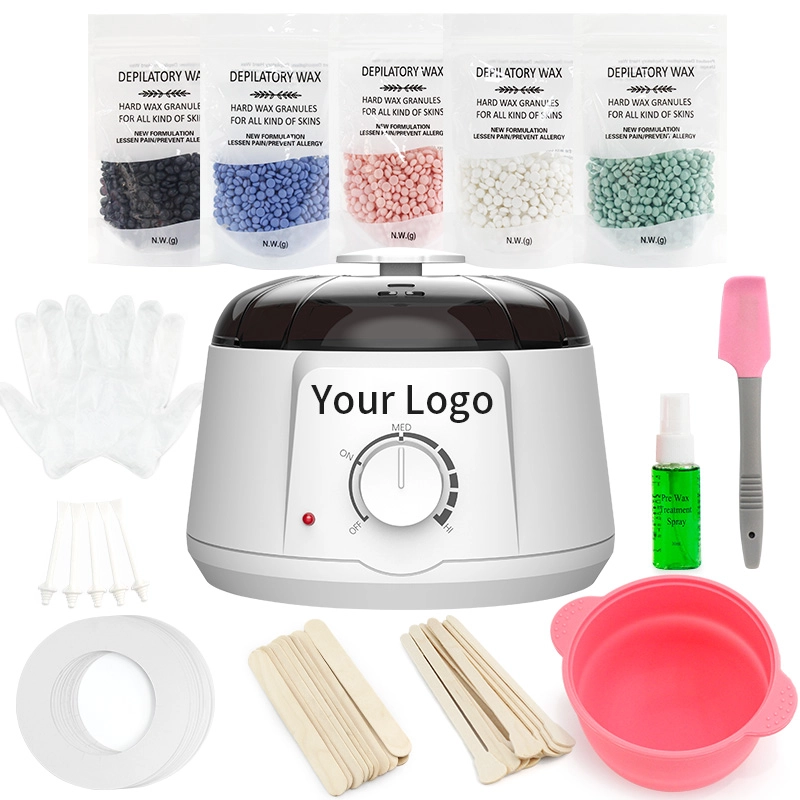
AX-911 wax heater comes with basic color options, paired with an easy-to-use knob control and a transparent viewing lid that lets you check wax melting progress instantly. It’s crafted from high-quality PP plastic, blending sturdiness with a sleek, space-saving design that fits various settings.
Powered by 100W reliable heating, it melts hard wax beads/blocks efficiently; its 500ml capacity covers multi-area hair removal needs in one cycle, reducing frequent wax refills.
As a premier wax heater manufacturer, LOVE CRAZY delivers top-tier OEM salon beauty equipment and custom manufacturing solutions for global B2B partners.
Contact us at
E-mail: lovecrazyStella@aliyun.com
WhatsApp: +86 189 2777 9907
Tel: +86 0757-85626657/85626627
Address: 4F, Building B, No.18, Yiheng Road, Xiahengtian Industrial Zone,Lishui Town, Nanhai District, Foshan, Guangdong, China
 Scan QR Code
Facebook
Instagram
Instagram
Instagram