








wholesale waxing kits for salons and spas? | Insights by LOVE CRAZY
Wholesale Waxing Kits for Salons and Spas — What Salon Buyers Need to Know
Buying wholesale waxing kits for salons and spas is more than price-shopping. You must match wax type, heater performance, safety certifications, sanitation features, and supply-chain terms to your salon’s throughput. Below are six specific, pain-point-focused questions beginners and purchasers often ask — with in-depth, actionable answers based on industry norms and best practices.
1. How do I choose a wholesale wax heater that reliably handles hard wax beans, cartridge wax, and low‑temp strip wax without wasting product or risking client burns?
Choose a heater by matching the device’s temperature control range, heating accuracy, and container design to the wax types you use:
- Check the temperature range vs. wax melting point: Manufacturers and wax suppliers publish recommended melt and application temperatures. Typical safe application temperatures for body wax are around 40–45°C (104–113°F); melting points vary by formula. Prioritize heaters with a broad control range (e.g., 40–110°C) so the same unit can melt low‑temp soft wax, hard beans, and cartridge wax without overheating.
- Prefer digital thermostats with PID control: PID or microcontroller thermostats maintain ±1–2°C accuracy, reducing over‑heating and scorching (which wastes product and shortens wax life). Analogue dials often swing 5–10°C and increase burn risk or require constant babysitting.
- Multiple pot options: For mixed-use salons, multi‑pot wax heaters (dual or triple pots) or combination units (cartridge slot + melt pot) are efficient. Look for removable stainless steel or silicone pots that accept disposable liners to minimize cross‑contamination and product waste.
- Surface and delivery design: Cartridge warmers must hold cartridges vertically and heat evenly; insulated walls and lids reduce heat loss. For hard wax beans, a deep stir-friendly pot with a tight lid melts evenly and reduces stirring frequency.
- Heating power vs. volume: Wattage affects melt time. For small salons a 200–400W single pot is often adequate; busy spas will benefit from 500–1,000W multi‑pot systems. Faster heating can mean less downtime but higher instantaneous energy use.
Actionable step: Request the heater model’s temperature vs. time curve and a compatibility statement from the manufacturer. Ask for a sample and test it with your exact wax formulas and a thermometer to confirm safe application temperature.
2. What minimum safety certifications and electrical standards should I insist on from wax heater manufacturers for bulk salon orders to pass US/EU inspections?
Insist on certifications required in your market and for your purchasers to ensure regulatory compliance and insurance acceptance:
- European market: CE marking (showing conformity with applicable EU directives) and RoHS (restricted hazardous substances) where relevant. For electrical safety, look for EN/IEC 60335 family test reports when available.
- North America: UL or ETL listing/certification for electrical appliances is commonly required by insurers and large distributors. An FCC statement may apply if the device has wireless or digital communications.
- International: CB test reports (IECEE) streamline accepting electrical safety across multiple countries; UKCA for UK sales.
- Component compliance: Ask for test reports for heating elements, thermostats, and plastics (flammability ratings) and confirmation of thermal cut‑off fuses or over‑temperature protection in the device.
Actionable step: Request actual certificate scans and the laboratory test reports (not just logos). If you import, include these documents in your technical file to avoid customs or retailer rejections.
3. How should I calculate the right wax heater capacity and wattage for a multi‑therapist salon to avoid downtime during peak bookings?
Estimate heater capacity by mapping peak throughput and melt/reheat times rather than simply counting therapists:
- Measure average usage per service: Track how many grams or cartridges are used per service (bikini, legs, brows). Multiply by the number of simultaneous services at peak times to get required on‑hand melted wax volume.
- Account for heating/reheat time: Typical melt times vary by heater and product — small units often take 10–30 minutes to reach working temperature; larger pots or high‑melting-point hard wax can take longer. Choose systems with fast recovery (higher wattage) if you can’t pre‑melt several pots.
- Redundancy and zoning: For medium-size salons (2–4 therapists), two medium pots or one dual‑pot heater lets one pot serve while the other reheats. Large spas (5+ therapists) benefit from centralized wax warmers with multiple insulated pots or point-of-use cartridge warmers placed in each treatment room to minimize cross‑room traffic.
- Calculate energy tradeoffs: Higher wattage reduces downtime but increases instantaneous electricity draw. Consider timers and insulated lids to keep wax at temperature with lower steady‑state power.
Actionable step: Create a 1‑day booking simulation of services and run it with sample melt/recovery data from the manufacturer to choose the right mix of single/double pots and cartridge warmers.
4. What are realistic MOQ, lead times, and sample policies from reputable wax heater manufacturers, and how can I negotiate OEM/private‑label packaging?
Common industry practices and negotiation tips:
- MOQ ranges: For standard models, MOQs typically range from 50–500 units depending on complexity. Custom OEM/private‑label requests commonly start at 200–1,000 units, but smaller minimums are sometimes possible at higher unit prices.
- Sample policies: Reputable manufacturers usually offer functional samples (often paid) within 7–14 business days. Expect sample cost + shipping; some suppliers refund sample cost on a larger production order.
- Lead times: Sample lead time 7–14 days; production lead time 20–45 days after order and deposit for standard models. Custom tooling, private label printing, or new mold work will add 2–6 weeks or more.
- Negotiating tips: Consolidate SKUs, commit to multi‑order forecasts, and offer flexible shipment terms to lower MOQs. Ask about MOQ tiers and whether the manufacturer can split production into two shipments to meet cashflow needs.
Actionable step: Request a written MOQ/lead‑time breakdown, sample policy, and a private‑label cost table (unit price at 3–4 MOQ tiers). Confirm whether package artwork proofs and barcoding are included, and ask for lead times once artwork is approved.
5. Which maintenance features (removable pots, disposable liners, PID controllers) most reduce contamination risks and total cost of ownership in high‑volume spa use?
Features that reduce contamination risk and operating costs:
- Removable stainless steel or silicone pots: These allow thorough cleaning between clients and are compatible with hot‑water/chemical cleaning where appropriate.
- Disposable paper/foil liners: Liners eliminate the need to scrape residual wax and reduce cross‑contamination. They add per‑treatment cost but save labor and cleaning solvents, often reducing total cost of ownership in high‑volume settings.
- Digital PID controls and memory presets: Stable temperature control reduces wax degradation and the need to discard burnt or overheated wax.
- Integrated drain spouts or easy‑pour lips: Simplify pot changes and reduce spill/cleaning time.
- Replaceable heating elements and modular thermostats: Extends equipment life. Confirm parts availability and pricing (heating element, thermostat board, fuse) before purchase.
Actionable step: Choose units with removable pots and an option for disposable liners; get a small sample pack of liners and test time savings versus liner cost for your salon’s throughput.
6. How do shipping terms (EXW/FOB/CIF), warranty, and after‑sales parts supply affect lifecycle cost when buying wholesale waxing kits for salons and spas?
Consider total landed cost and service availability, not just unit price:
- Shipping INCOTERMS: EXW (Ex Works) means you cover freight and import formalities; FOB (Free On Board) gives you sea freight from the manufacturer’s port; CIF (Cost, Insurance, Freight) includes basic shipping insurance to destination port. CIF is easier for first-time importers but often more expensive. Choose based on your import experience and logistics partner.
- Warranty length and coverage: Standard warranties are 1–2 years. Verify what’s covered (electronics, heating element, accidental damage exclusions) and whether the manufacturer offers extended warranties for an added fee.
- Spare parts and repair network: Confirm parts lead times and whether the manufacturer stocks replacement thermostats, elements, and pot liners. Local/regional warehouses or authorized service centers reduce downtime.
- After‑sales support SLA: Request response time commitments in writing — e.g., technical reply within 48 hours, replacement parts within X days. For chains, negotiate a service contract that includes priority support.
- Total cost modeling: Add expected spare parts costs, energy usage (wattage × hours), liner costs, and expected device lifetime (3–7 years depending on use) to purchase price to compute lifecycle cost per treatment.
Actionable step: Ask suppliers for an estimated parts pricing list, average lead time for parts, and a written warranty statement. Use this to model cost per treatment over a 3–5 year period.
Regulatory and hygiene note: Devices used to heat cosmetic products are usually regulated as electrical appliances more than medical devices, but you must still follow local hygiene and waste disposal rules for used wax and consumables. Maintain client safety records and equipment logs to meet salon licensing inspections.
Conclusion
Choosing wholesale waxing kits for salons and spas requires balancing heater compatibility, certified safety, capacity planning, hygiene features, MOQ/lead‑time expectations, and reliable after‑sales support. Investing slightly more for PID thermostats, removable pots, disposable liners, and verified CE/UL test reports usually lowers long‑term costs, reduces treatment downtime, and protects clients and staff.
If you’d like a tailored quote, product spec sheets, or sample unit pricing for bulk orders, contact us for a fast quote: visit www.lovecrazyhome.com or email david@lovecrazyhome.com.
FAQ
AX-258A
How many salon waxing services can a single 500ml heating support?
It can support 8-10 partial waxing services (e.g., eyebrows, face) or 3-4 full-body waxing services, reducing the trouble of frequent wax refilling and improving service turnover efficiency.
AX-500A
How long does AX-500A take to melt hard wax?
120W power melts wax in 10-15 minutes, faster than standard models.
Is logo customization offered for AX-500A B2B orders?
Yes, logo customization is available with MOQ 300 units per design.
AX-911
What is the MOQ for AX-911 bulk orders?
The MOQ is 100 unit.
DMJ-141
Is DMJ-141 suitable for professional salon use?
Yes, it's ideal for professional salons, mobile technicians and nail art training.
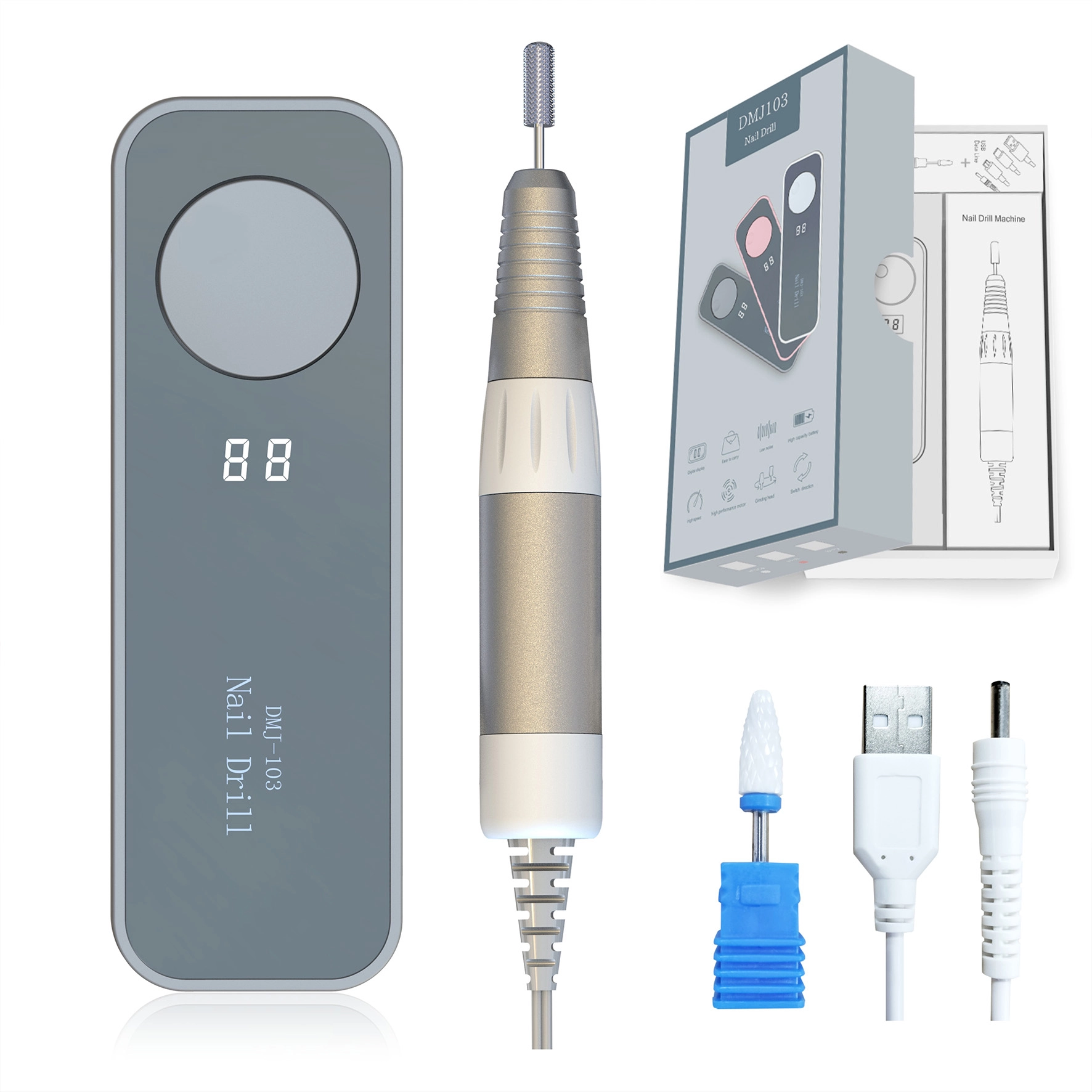
Equipped with a high-performance motor delivering up to 35000 RPM adjustable speed, this nail drill provides consistent, smooth power for all professional nail services — including gel polish removal, nail shaping, cuticle care, and acrylic nail work. The clear digital display ensures precise speed control, allowing nail technicians to deliver uniform, high-quality results for every client even during busy salon hours.
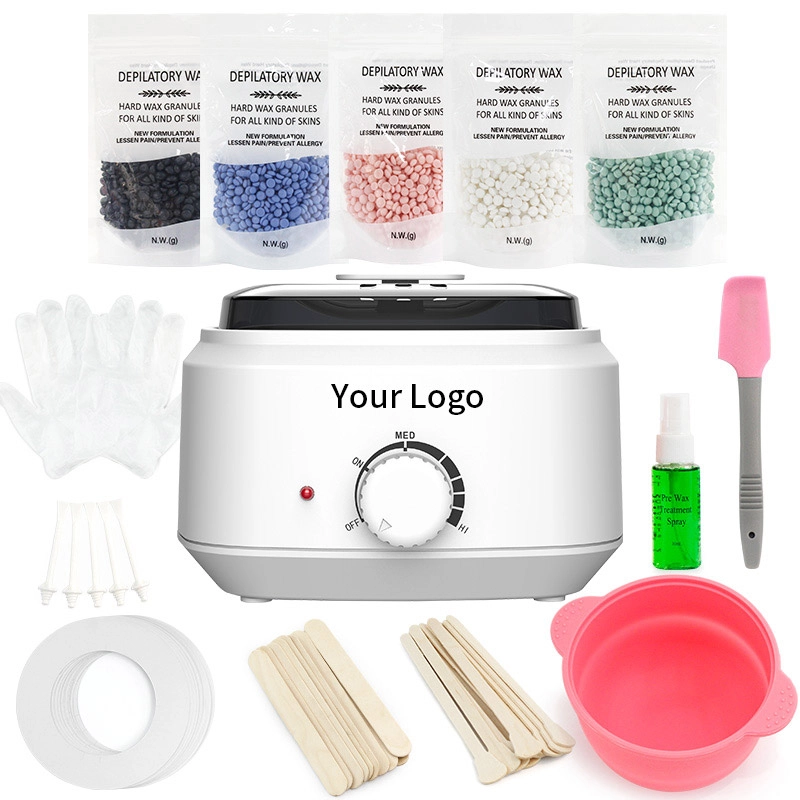
AX-200 500ml PP wax heater blends durable, high-quality material with salon-grade performance, making full-body multi-area hair removal seamless.
Its 100W fast heating, hard wax compatibility (beads/blocks), 100-220V global voltage, and multi-color options suit salons, home users, and cross-border wholesale for face/eyebrows/body use.

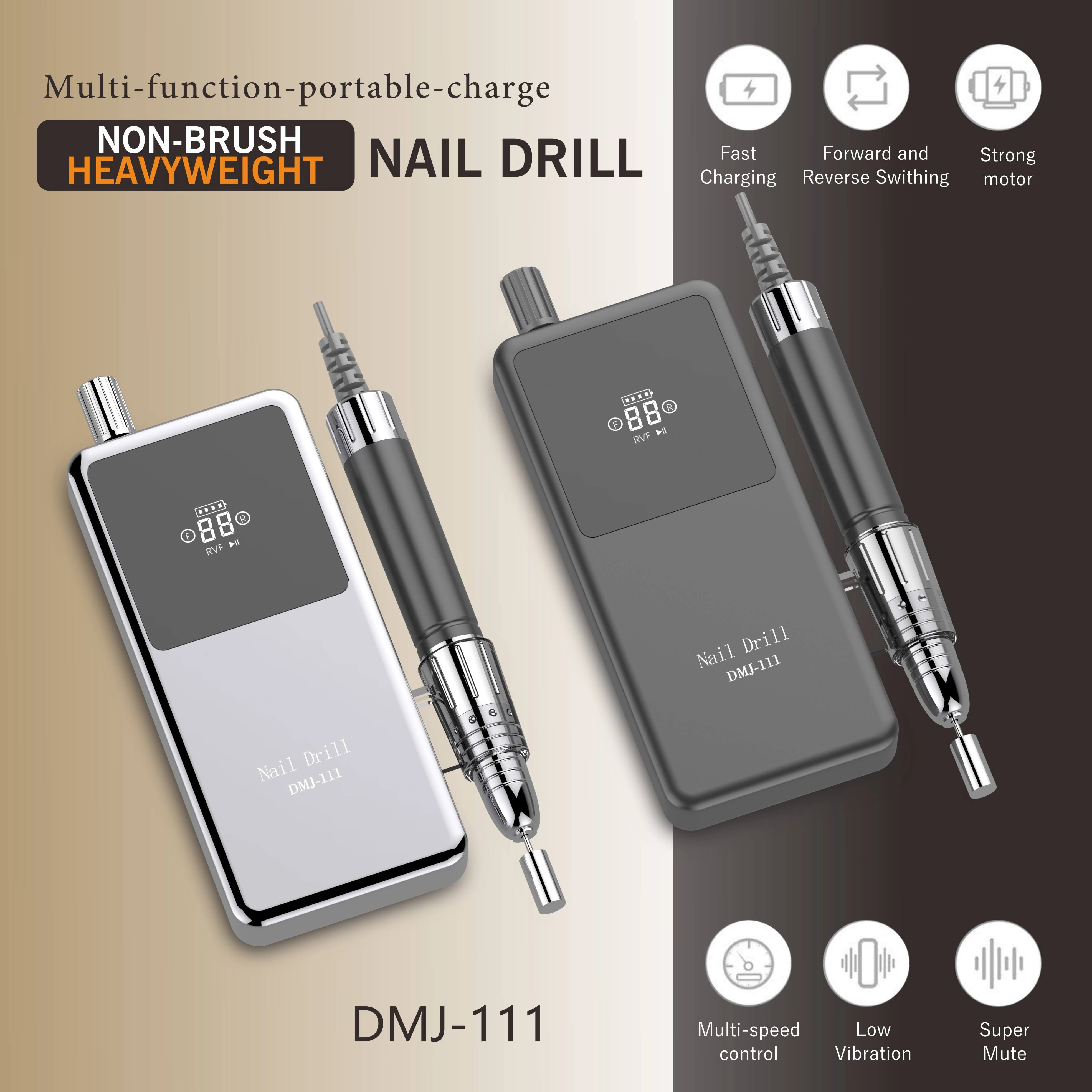
The DMJ-111 cordless rechargeable nail drill from LOVE CRAZY delivers salon-grade precision and performance in an ultra-slim, premium stainless steel body. As a leading Foshan-based beauty equipment manufacturer with 14+ years of industry experience, we designed this model for both fixed salon use and on-the-go mobile services, with stable 35000 RPM high-speed performance, long-lasting battery life, and durable build. We also provide full OEM/ODM solutions for global B2B beauty brands, salon chains, distributors, and wholesalers.
As a premier wax heater manufacturer, LOVE CRAZY delivers top-tier OEM salon beauty equipment and custom manufacturing solutions for global B2B partners.
Contact us at
E-mail: david@lovecrazyhome.com
WhatsApp: +86 189 2777 9907
Tel: +86 0757-85626657/85626627
Address: 4F, Building B, No.18, Yiheng Road, Xiahengtian Industrial Zone,Lishui Town, Nanhai District, Foshan, Guangdong, China
 Scan QR Code
Facebook
Instagram
Instagram
Instagram